Archive
Distillery releases new spirit made with Michigan asparagus – YouTube
Walter Gubbels (Pays-Bas) : « Le pari de l’asperge de serre a porté ses fruits cette année » par FreshPlaza
Walter Gubbels (Pays-Bas) :
« Le pari de l’asperge de serre a porté ses fruits cette année »
 Walter Gubbels
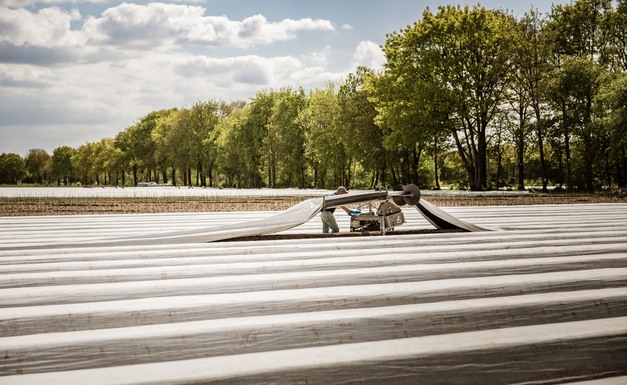
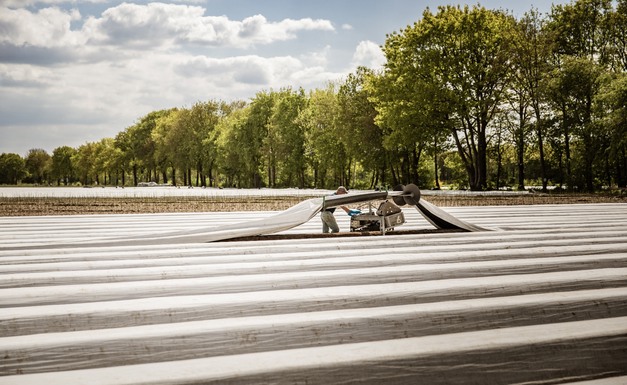
Cette saison est terminée et les mini-tunnels tournent à plein régime. Walter ne craint pas une baisse des prix. “Nous pensions que les prix de l’année dernière étaient bons, mais il semble qu’ils peuvent encore s’améliorer. Et avec les fêtes qui se profilent à l’horizon, les prix ne baisseront certainement pas.” C’est pourquoi il n’a ouvert son magasin que le week-end du 5 avril. “D’habitude, il est ouvert plus tôt, mais les prix de plus de 20 euros ne justifiaient pas la vente d’asperges dans le magasin. Nous avons tout vendu par l’intermédiaire de The Greenery”, explique M. Walter.
Il doute qu’une offre abondante soit bientôt disponible. “L’année dernière, des champs entiers ont été inondés. Cela a entraîné une mauvaise saison de croissance, et même les grandes parcelles n’ont produit que des rendements modérés. La production totale sera donc nettement inférieure. La variété Prius, en particulier, s’est avérée totalement incapable de résister aux inondations. La différence avec cette année est sans précédent. L’année dernière, la pluie avait fait beaucoup de dégâts ; cette année, c’est exactement le contraire. Tout le monde irrigue.
Pas de pénurie de personnel
Gubbels n’a pas non plus de problème de pénurie de personnel. “Le salaire minimum a augmenté, ce qui attire les gens. Les Polonais veulent venir récolter les asperges. Dernièrement, l’industrie automobile allemande a fait une forte concurrence en offrant des emplois à plus long terme. Mais l’économie allemande stagne terriblement, si bien que tous ces travailleurs reviennent”, explique-t-il.
“La demande est également bonne. La production totale d’asperges en Europe diminue alors que la demande ne fait qu’augmenter. La force de l’asperge reste qu’il s’agit d’un produit saisonnier avec lequel les détaillants et l’industrie hôtelière aiment travailler. Si j’étais un jeune entrepreneur, je me lancerais à corps perdu. Mais je sais que c’est plus facile à dire qu’à faire. C’est coûteux. Un bon sol à lui seul est extrêmement coûteux et difficile à trouver”.
Walter se concentre principalement sur les asperges blanches. “Nous cultivons encore une petite quantité d’asperges violettes, mais plus d’asperges vertes. Nous avions de grands espoirs dans ce domaine, mais nous ne pouvons tout simplement pas concurrencer les asperges vertes importées à bas prix. La vente d’asperges blanches est plus rentable. Le 7 avril, les asperges blanches se sont vendues à environ 12 euros. C’est déjà moins que la semaine dernière”, conclut-il.
Cet article a été publié dans le Primeur de mai 2025. Cliquez ici pour accéder à l’intégralité de l’édition
Pour plus d’informations Aspergekwekerij Gubbels
gubbels-asperges@hetnet.nl
www.gubbels-asperges.nl
Walter Gubbels
Cette saison est terminée et les mini-tunnels tournent à plein régime. Walter ne craint pas une baisse des prix. “Nous pensions que les prix de l’année dernière étaient bons, mais il semble qu’ils peuvent encore s’améliorer. Et avec les fêtes qui se profilent à l’horizon, les prix ne baisseront certainement pas.” C’est pourquoi il n’a ouvert son magasin que le week-end du 5 avril. “D’habitude, il est ouvert plus tôt, mais les prix de plus de 20 euros ne justifiaient pas la vente d’asperges dans le magasin. Nous avons tout vendu par l’intermédiaire de The Greenery”, explique M. Walter.
Il doute qu’une offre abondante soit bientôt disponible. “L’année dernière, des champs entiers ont été inondés. Cela a entraîné une mauvaise saison de croissance, et même les grandes parcelles n’ont produit que des rendements modérés. La production totale sera donc nettement inférieure. La variété Prius, en particulier, s’est avérée totalement incapable de résister aux inondations. La différence avec cette année est sans précédent. L’année dernière, la pluie avait fait beaucoup de dégâts ; cette année, c’est exactement le contraire. Tout le monde irrigue.
Pas de pénurie de personnel
Gubbels n’a pas non plus de problème de pénurie de personnel. “Le salaire minimum a augmenté, ce qui attire les gens. Les Polonais veulent venir récolter les asperges. Dernièrement, l’industrie automobile allemande a fait une forte concurrence en offrant des emplois à plus long terme. Mais l’économie allemande stagne terriblement, si bien que tous ces travailleurs reviennent”, explique-t-il.
“La demande est également bonne. La production totale d’asperges en Europe diminue alors que la demande ne fait qu’augmenter. La force de l’asperge reste qu’il s’agit d’un produit saisonnier avec lequel les détaillants et l’industrie hôtelière aiment travailler. Si j’étais un jeune entrepreneur, je me lancerais à corps perdu. Mais je sais que c’est plus facile à dire qu’à faire. C’est coûteux. Un bon sol à lui seul est extrêmement coûteux et difficile à trouver”.
Walter se concentre principalement sur les asperges blanches. “Nous cultivons encore une petite quantité d’asperges violettes, mais plus d’asperges vertes. Nous avions de grands espoirs dans ce domaine, mais nous ne pouvons tout simplement pas concurrencer les asperges vertes importées à bas prix. La vente d’asperges blanches est plus rentable. Le 7 avril, les asperges blanches se sont vendues à environ 12 euros. C’est déjà moins que la semaine dernière”, conclut-il.
Cet article a été publié dans le Primeur de mai 2025. Cliquez ici pour accéder à l’intégralité de l’édition
Pour plus d’informationsAspergekwekerij Gubbels
gubbels-asperges@hetnet.nl
www.gubbels-asperges.nl
Banding Technique for Asparagus Developed by ATS-Tanner AG – by FreshPlaz
“Banding reduces the amount of material used while enhancing branding”
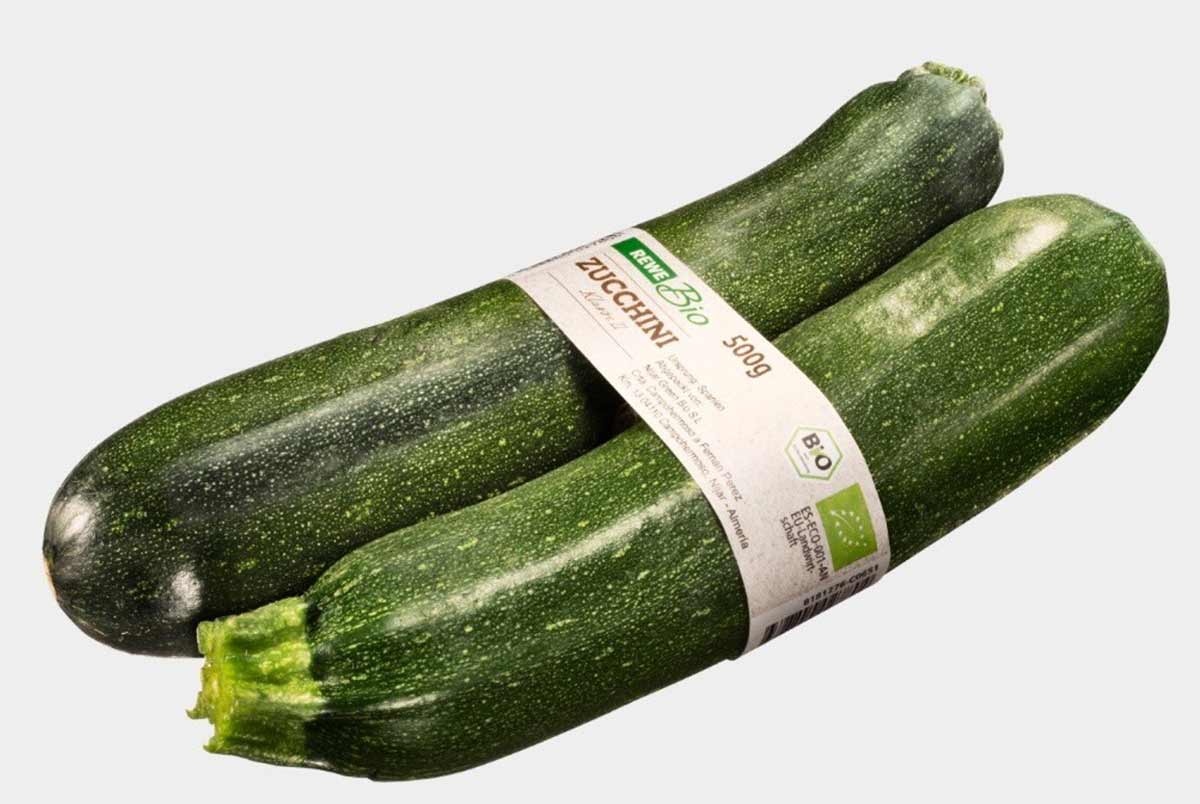
Since 2018, Tanner & Co. AG has been working with Swiss asparagus growers supplying the retail sector. The aim of this partnership is to offer an alternative that is both eco-friendly and commercially appealing compared to traditional packaging methods. Instead of shrink film, transparent trays, or rubber bands, a wide band is now used—combining functionality and aesthetics.
Sales team leader Denis Nunes explains why this solution is particularly suitable for asparagus and other stalk vegetables: “Banding significantly reduces the amount of material used while providing a large surface to highlight branding and product information,” he says. “Thin rubber bands are still used in some cases to hold the stalks together, but the 100 mm-wide band now plays a central role in point-of-sale communication,” Nunes adds. In addition to asparagus, many other fruits and vegetables can be banded—from bananas and zucchinis to cardboard trays for apples.
 Asparagus banded for Swiss retail
“Depending on customer preferences, we use either paper or film bands, fully pre-printed with information such as origin, logos, or advertising messages. Variable data such as EAN codes, batch numbers, or expiration dates can also be added during packaging via thermal transfer printing. The design is developed in close collaboration with the client.”
High-performance packaging machines
The most commonly used model for asparagus is the US-2100, which can handle up to 30 cycles per minute.
“That’s a major advantage compared to manual packaging, especially during peak season,” says Nunes.
The machines are particularly efficient when the stalks have similar diameters, ensuring consistent placement of printed elements. Even with unusual lengths or weights, the technology remains flexible, and the systems can be easily integrated into existing packaging lines. ATS banding machines offer precise and varied settings, ensuring optimal strap tension that secures the bunches firmly without damaging the asparagus.
“Our machines, developed and manufactured in Switzerland, meet the highest quality standards. They are extremely reliable, low-maintenance, and energy-efficient,” adds Nunes.
 Courgettes banderolées
TruePaper: the innovative paper band
TruePaper is a flagship innovation from ATS Tanner: a paper band sealed via ultrasonic or heat sealing. It is made from either virgin fibers or at least 50% recycled materials. It is certified for direct food contact and can be fully recycled through the paper waste stream.
“Thanks to a new water-based coating, almost any suitable paper can be turned into TruePaper,” concludes Nunes.

For more information:
Cornelia Sibold
ATS-Tanner Banding Systems AG
Poststrasse 30
6300 Zug, Switzerland
Tel.: +41 41 710 06 03
c.sibold@ats-tanner.com
www.ats-tanner.com
The Interprofessional Association of Green Asparagus launches a project aimed at strengthening… – Granada is news

The Interprofessional Association of Green Asparagus launches a project aimed at strengthening… – Granada is news
Asparagus extract shows synergistic effects with exercise for improved heart fitness by NutraIngredients.com
Although Prices Remained Stable, They Didn’t Make Up for the Lack of Asparagus Volumes – by FreshPlaza
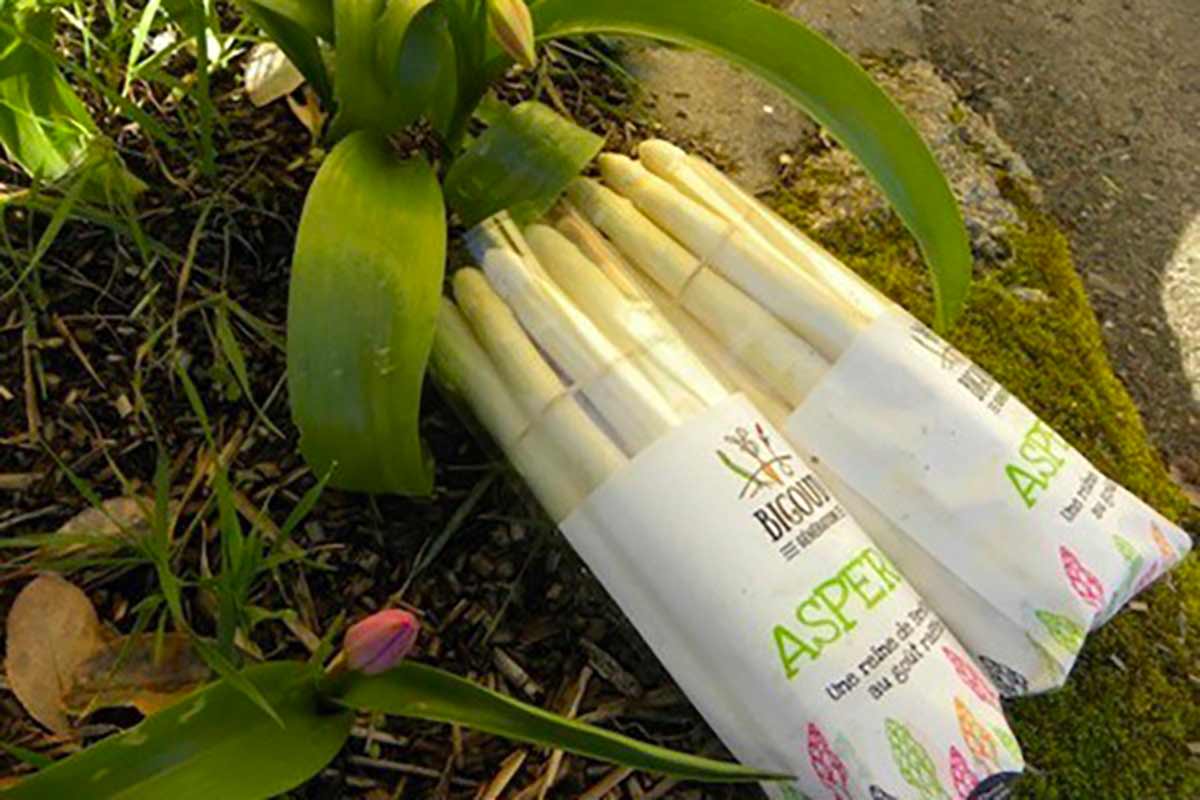
Karel Kaptein, SARL Bigoud:
“Although prices remained stable, they didn’t make up for the lack of volumes”
SARL Bigoud, located in Brittany in Plomeur on the Pointe de la Torche, ended its asparagus season on May 15. It was a decent season thanks to stable and reasonable prices throughout, but overall not as good as last year’s:
“We started in early March, about a week late, and overall yields were lower than in previous years because the cold weather slowed down asparagus growth,” explains Karel Kaptein, manager of the company.
There was, however, a production peak around Easter:
“That was the only time during the season when we had a surge in growth. To avoid being stuck with excess volumes, we ran promotions and lowered prices to around €6 for the 22+ calibers, which were particularly abundant this year. It was a winning strategy since sales remained steady, even though it’s always harder to raise prices afterward. For the other calibers—12–16 and 16–22—sold in bunches, we maintained prices at around €8 until the end of the season.”
Although prices remained stable and reasonable, they weren’t enough this year to offset the lack of volume.
Currently, alongside leeks, sand-grown carrots, and flower bulbs, asparagus is grown on 20 hectares at SARL Bigoud. This surface could be doubled by the future buyer of the farm, as Karel Kaptein plans to sell the operation this year.
For more information:
Karel Kaptein
SARL Bigoud génération
sarlbigoud@gmail.com
Publication date: Thursday, June 5, 2025
© FreshPlaza.fr / Aurélie Pintat
“The French asparagus season is not over yet”
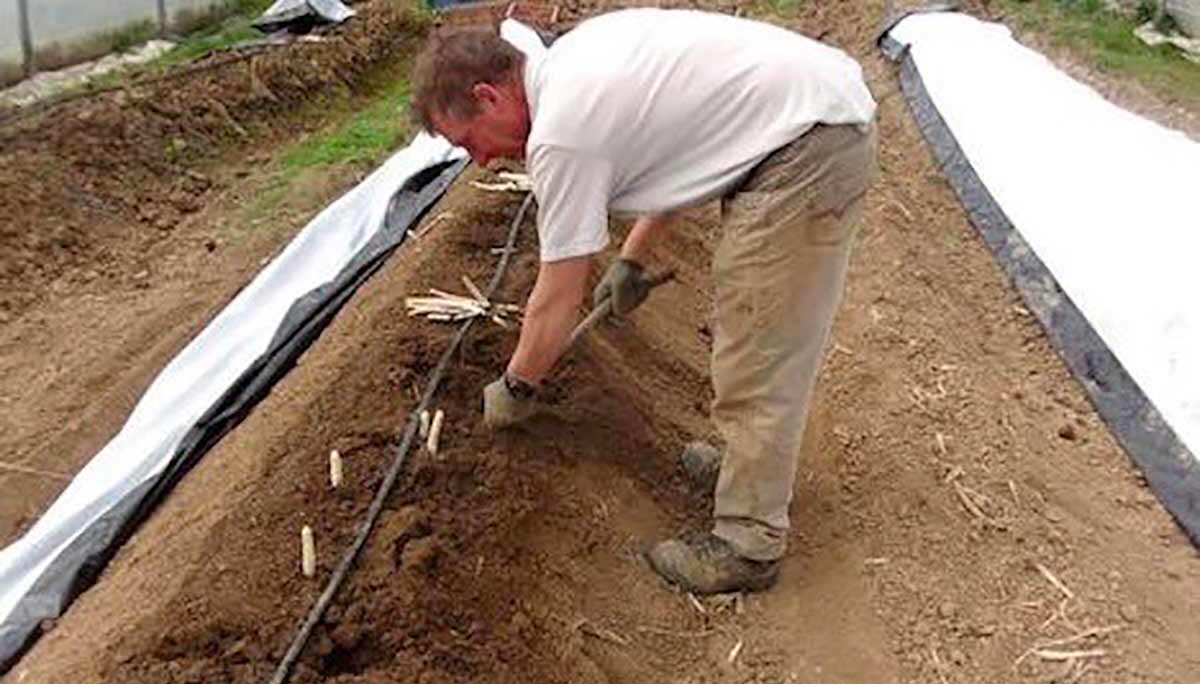
“The French asparagus season is not over yet”
The asparagus season began relatively early in April, thanks to the spring sunshine in northern France, but the situation has completely changed over the past ten days. The reason? A sudden drop in consumption that is slowing production.
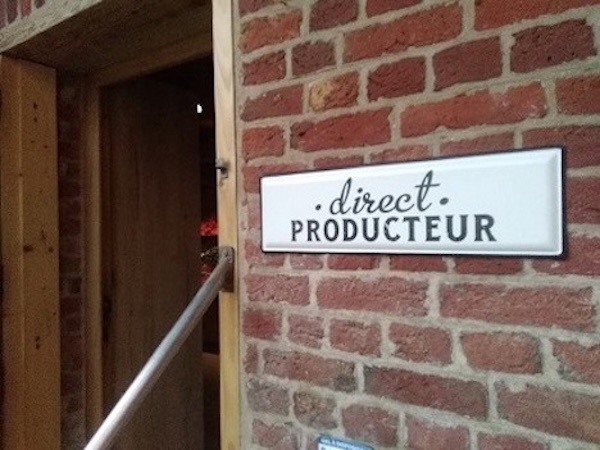
“No one wants asparagus anymore. It feels like the season is over, even though production is still active in several regions. In April, we were selling 40 crates in our farm shop; now we’re barely selling 10, and wholesalers at the market want nothing to do with it anymore,” explains Olivier Thomas, manager of La Ferme du Pont d’Achelles.
Earlier harvests shift the peak consumption period
The situation is reminiscent of 2022, with similar difficulties tied to weak consumer demand.
“When we started growing asparagus 20 years ago, the season began in May, with a peak around Mother’s Day. Today, thanks to advances in cultivation techniques, we can start as early as early April. Major production areas in the South have also pushed their harvests forward—some even begin in February. As a result, consumers tire of asparagus more quickly. They’re happy to see it at the start of spring, but by the end of May, they want something else. Whereas Mother’s Day used to mark the peak of the season, this year consumption during that time was very low,” says Olivier Thomas.
Impossible to compete with Belgian and Dutch prices
A bitter reality, made worse by other factors.
“Last year, consumption held up through the end of May because it was rainy—people didn’t feel like eating summer products. This year, spring 2025 has been warmer and sunnier, so by the end of May, people were done with asparagus, especially since the season began in March. They’re ready to move on. On top of that, Dutch and Belgian asparagus is currently being sold at €2/kg at the Lomme wholesale market (MIN). It’s a strategy: when they have too much product, the Belgians and Dutch send it abroad at unbeatable prices to ease pressure on their domestic markets. And that, of course, hurts French producers.”
A premature end to the season expected
Faced with a lack of outlets, the season may end earlier than planned:
“We could have continued harvesting for another month, but it doesn’t make sense if we can’t sell. We still have asparagus in cold storage, and labor costs are high. We’ve already stopped harvesting on 3 hectares to avoid having to throw the product away.”
Even if consumers seem to have moved on from the 2025 season, and the campaign is indeed over in major southern production zones, production is far from finished elsewhere:
“There’s still asparagus in the North, Brittany, Île-de-France, and even in the Centre region. Alsace is still going strong with a dynamic local market. There aren’t even any RNM market listings for our region anymore, even though there’s still produce available. Once the big producers stop, it feels like the season is over. But there are still many small independent growers, and it feels like we’ve been forgotten, even though our campaign is still ongoing.”
For more information:
Olivier Thomas and Françoise Thomas
La Ferme du Pont d’Achelles
Tel.: +33 3 20 48 60 43
laferme-dupontdachelles@orange.fr
https://www.lafermedupontdachelles.fr
Publication date: Friday, May 30, 2025
© FreshPlaza.es / Aurélie Pintat