Archive
se consolida Sonora como productor de espárrago a nivel nacional por Expreso
“Spanish cultivation of green asparagus is so good that we are looking at white asparagus and tips” by FreshPlaza
“Spanish cultivation of green asparagus is so good that we are looking at white asparagus and tips”

Ken Heussen and Will Teeuwen of Teboza during Fruit Attraction
The cultivation in Spain is going so well that Teboza is currently orientating Spain to scale up cultivation by some 20-25 hectares for next year. “Then we will be at over 70 hectares in total. Now that may seem quite a lot, but if you distinguish spring cultivation, summer cultivation and autumn cultivation, the volume remains pretty manageable. Although we are out of the pilot phase, we cannot yet serve all customers at full throttle with this,” says Will.
Playing with the elements
“What we are mainly up against at the moment is that it is getting cooler and night temperatures are also going down. At the moment, it is raining quite a bit in our growing regions, making us ask ourselves whether we can continue harvesting for the last two or three weeks of the season or stop earlier. After all, we remain at the mercy of the weather gods. In theory, the planning is completely correct, but we are still playing with the elements.”
Teboza grows asparagus in Spain in Villamartin for regular and autumn crops and in the coastal region of Rota for early and summer crops. “We have had our own cultivation in Spain since 2013, but it did take a few years to find the right varieties and regions. Since 2018, we have started accelerating,” says the grower. The demand side is not the issue. “The demand for the green asparagus is good and is even higher than we can offer. Only last week we saw a brief dip, but that had to do with the strikes in America. Normally we see customers ordering very stable volumes weekly in the off-season,” Will says. “At the fair in Madrid, there was demand from all over Europe to start with Spanish green asparagus, but our focus at this stage is 100% on existing customers.”
Bringing Spanish cultivation forward
For now, Teboza is focusing entirely on green asparagus, but in the future, it plans to expand Spanish cultivation to include white asparagus and growing asparagus tips. “Next year, we will set up the first trials to see which varieties and cultivation systems are most suitable for growing white asparagus. Gas prices in the Netherlands and also the CO2 tax are increasingly making heated cultivation in the Netherlands impossible. We are therefore investigating how we can eventually bring forward cultivation in Spain, whether in greenhouse or outdoor cultivation.”
“Furthermore, we have started testing the thin, short asparagus tips on a reasonably large scale. For growers, this is never a very nice crop, as they prefer to grow thick asparagus, but we have found a way to increase the plant density tenfold. Next year we are going to see the first results of this,” Will concludes.

For more information:
Will Teeuwen
Teboza
Zandberg 14b
5988 NW Helden
Tel: +31 (0) 77 307 1444
w.teeuwen@teboza.nl
www.teboza.com
Espárrago de Huétor Tájar y Agrocolor se alían para garantizar la excelencia … por Granada es noticia
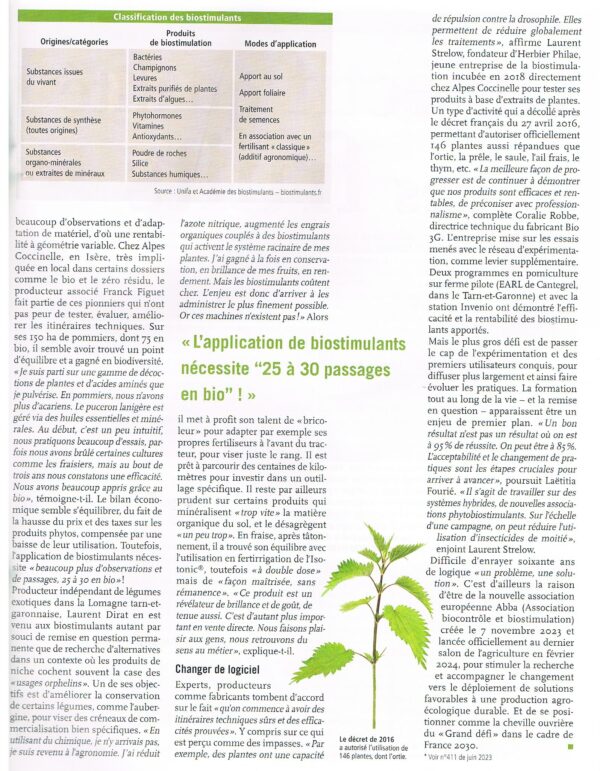
Le marché des biostimulants est atomisé mais en plein essor
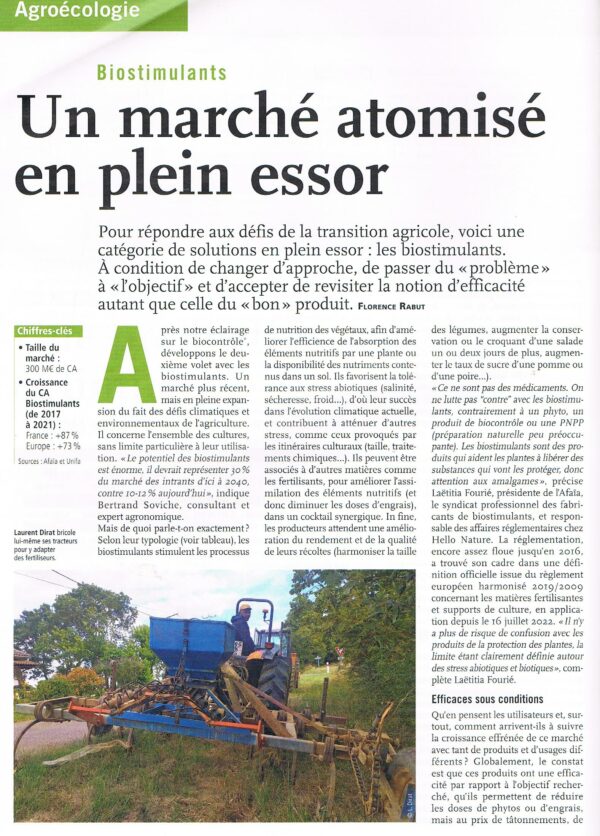
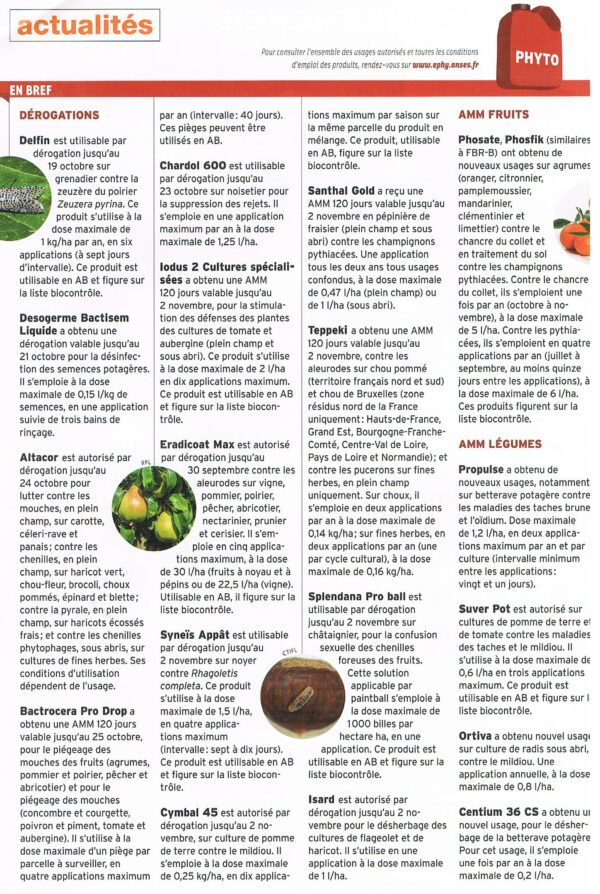
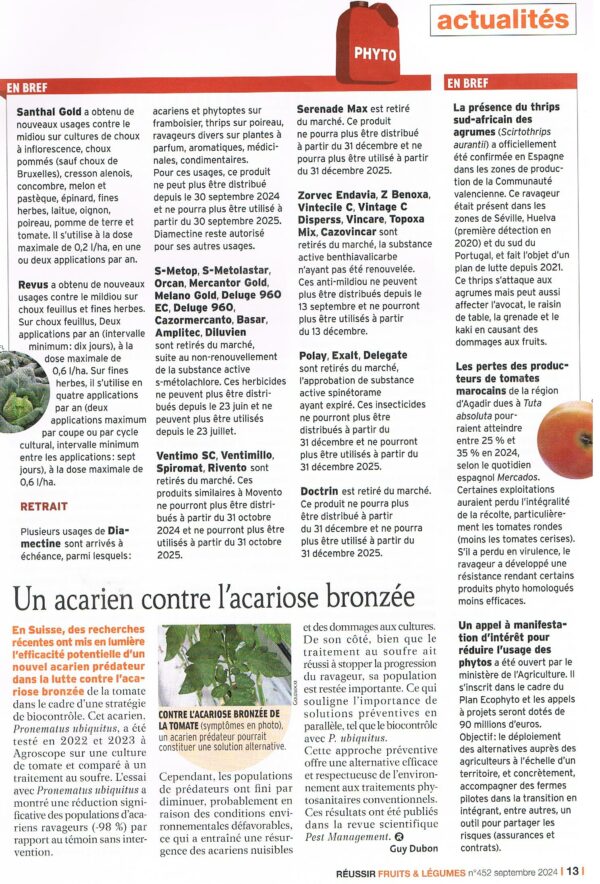
Actualités Phyto par Reussir Fruits et Légumes
Frutas y verduras menos contaminadas por pesticidas: espárragos, aguacate, kiwi por el Puerto Noticias
Alpine asparagus season begins in New Zealand by FreshPlaza
Alpine asparagus season begins in New Zealand
According to Mike Arnold, South Island Manager for LeaderBrand, New Zealanders are enthusiastic about asparagus, with consumption exceeding 2,500 tonnes during the season.
He highlights the competitive pricing and abundant supply of fresh produce, making it easier for families to incorporate nutritious options into their diets.
Arnold explains the commitment required in asparagus cultivation, noting a three-year period from seeding to the first harvest, in contrast to quicker-growing crops.
This period involves significant investment without financial return, underscoring the challenges faced by farmers.
In New Zealand, asparagus is harvested manually, with each spear cut individually. Arnold expresses optimism about the potential future use of harvesting machines currently under development. He advises consumers to consume asparagus as fresh as possible for optimal taste and provides tips for storage and cooking. Emphasizing the health benefits of asparagus, Arnold mentions its nutritional value, including various vitamins and dietary fiber.
Carmel Ireland from the 5+ A Day Charitable Trust supports this view, highlighting asparagus as a nutritious addition to the diet.
Source: SupermarketNews
México superó a Perú en envíos de espárrago al Reino Unido por FreshPlaza
México superó a Perú en envíos de espárrago al Reino Unido
A partir de entonces, México se ha enfocado en incrementar su presencia en mercados también servidos por Perú, incluido el Reino Unido.
Entre mayo y junio de 2024, México logró superar a Perú en exportaciones de espárrago hacia el Reino Unido, a pesar de que las remesas peruanas no disminuyeron significativamente durante este periodo.
Esto se debe a un incremento en la demanda británica del espárrago mexicano, mientras que el rendimiento por hectárea del espárrago peruano fue un 20% inferior al del año previo, debido a dificultades heredadas de 2023.
Perú, enfrentando un año complicado, ha visto cómo México aprovecha su mayor producción y su proximidad con Estados Unidos para adaptarse a los cambios en la demanda internacional.
Las exportaciones peruanas de espárrago fresco hacia el Reino Unido entre enero y agosto de 2024 alcanzaron las 49.499 toneladas, con un valor de US$ 211 millones, representando una disminución en comparación con el año anterior. El espárrago verde predominó en las exportaciones, constituyendo el 95% del total. La Libertad se destacó como la principal zona productora, seguida por Lambayeque e Ica. La mayoría de los productos se enviaron a través del Aeropuerto Internacional Jorge Chávez.
En el panorama global, Estados Unidos continuó siendo el principal mercado para el espárrago fresco peruano, seguido por España y el Reino Unido.
A pesar de una disminución en las exportaciones hacia Estados Unidos, España mostró un crecimiento importante. El Reino Unido, aunque representó un menor volumen de exportaciones, mostró un aumento en el valor, gracias a un precio promedio más alto.
Fuente: Fresh Fruit / agraria.pe
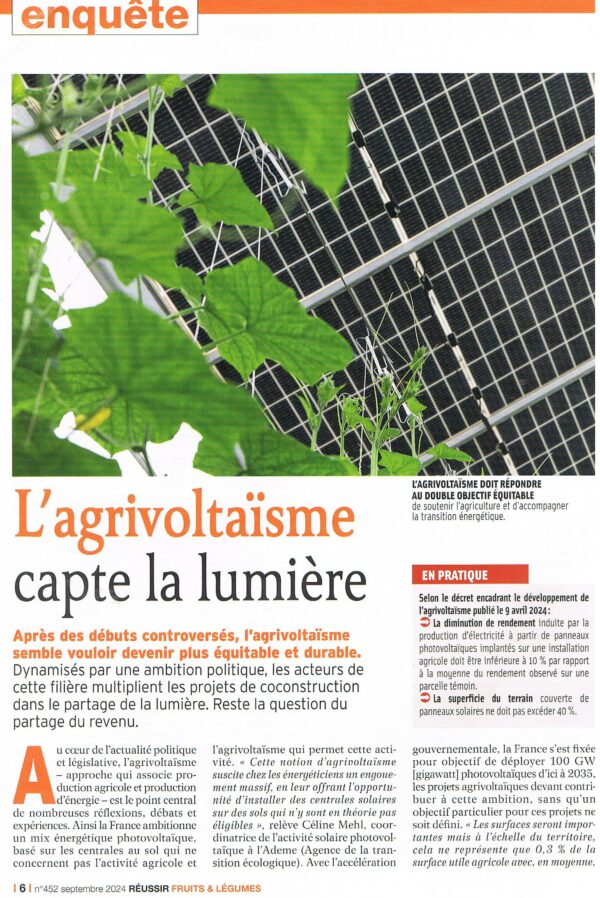
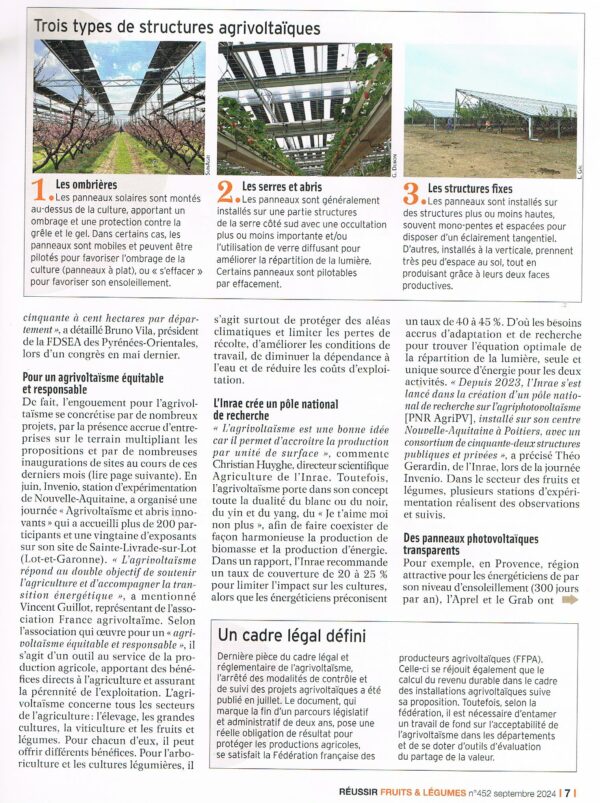
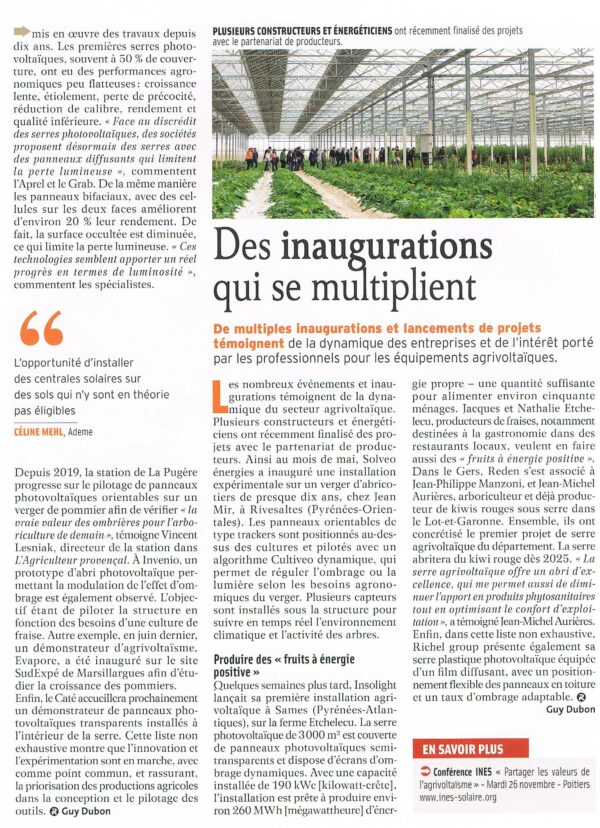
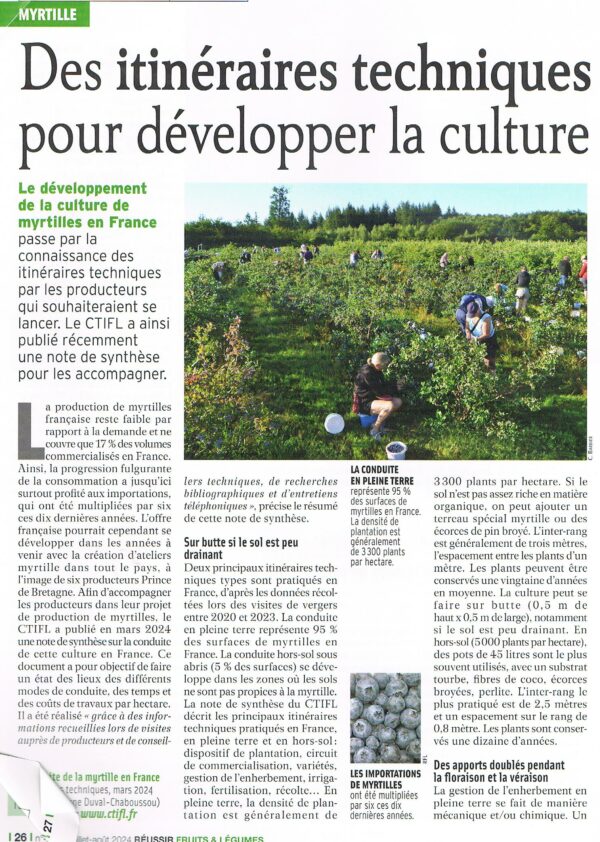
“Replanter de l’asperge sans se planter” La 6éme journée technique de l’AOPn Asperges de France était consacré à la replantation asperge sur asperge. Une situation qui tend à se développer et nécessite de nombreuses précautions avant replantation.
Replanter de l’asperge sans se planter
La 6éme journée technique de l’AOPn Asperges de France était consacré à la replantation asperge sur asperge. Une situation qui tend à se développer et nécessite de nombreuses précautions avant replantation.
L’AOPn Asperges de France a consacré sa 6éme journée technique à la thématique de replantations asperge sur asperge.
Encore peu fréquente en France, mais en progression du fait de la spécialisation des exploitations et du manque de parcelles « vierges » d’asperge.
« Sur les 6000 ha d’asperge cultivée en France, environ 500 à 600 ha sont replanter chaque année pour assurer le renouvellement des surfaces avec un faible pourcentage de replantation sur la même parcelle », évalue Christophe Palliaugue, président d’Asperge de France.
Mais cette situation tend à progresser et existe aussi dans de nombreux autres pays producteurs, notamment en Allemange.
30 % de récolte et 3 ans en moins
« Planter asperge sur asperge peut donner des résultats décevant avec des baisses de rendements dès les premières années et des pertes de plantes », témoigne Adèle Sahut, Asperge de France. Les pertes peuvent aller jusqu’à 30 % de perte de récolte et 3 ans de durée de vie de l’aspergeraie.
En cause, les champignons du sol pathogène de l’asperge (Fusarium, Rhizoctone), les autotoxines dégagées par les racines de la culture précédente et le syndrome plus général qualifié de « fatigue du sol ».
Aussi, plusieurs présentations en salle ont permis de cerner l’activité microbienne des sols de manière large. « Les champignons et bactéries participent à la stabilité du sol. La perte de diversité et d’activité entraine des diminutions du processus de minéralisation et de rendement des végétaux cultivés », relève Emile Benizri, maitre de conférence INRAe.
20 ans de replantation asperge sur asperge
Carmen Feller, chercheuse à Leibniz-Institute (Allemagne) a présenté les résultats du programme Newsoil 21 qui a permis d’évaluer différentes méthodes sur cinq ans (2017-2021) : apports de matière organique, biofumigation, inoculation de micro-organisme, résistance variétale.
Christian Befve, consultant internationla, a également proposé la méthode du « hors-sol dans le sol » consistant à créer avant plantation un volume important de terre homogène avec apport de compost et micro-organisme à l’aide d’une rotobêche.
Lors de la table ronde, David Ducourneau producteur d’asperge dans les Landes a témoigné de son expérience de 20 ans de replantation asperge sur asperge, soit 3 cultures sur certaines parcelles en insistant sur l’importance de drainage. Selon l’expérience d’Ophélie Lendoni, technicienne MaïsAdour, chez trois asparagiculteurs, la replantation sur la même parcelle a conduit à des baisses de rendement très marqués, jusqu’à 40 % après la 4é année de récolte.
L’« après midi de terrain » sur les aspergeraies de Planasa a permis à la centaine de participants des visites essais d’apport de solutions biologiques proposées par Innovak global et Médinbio ainis que l’observation de profils culturaux animée par deux spécialistes Célie Collin Bellier, Solenvie et Emmanuelle Choné, Agronomie Terroirs.
Guy Dubon
Réussir Fruits et Légumes