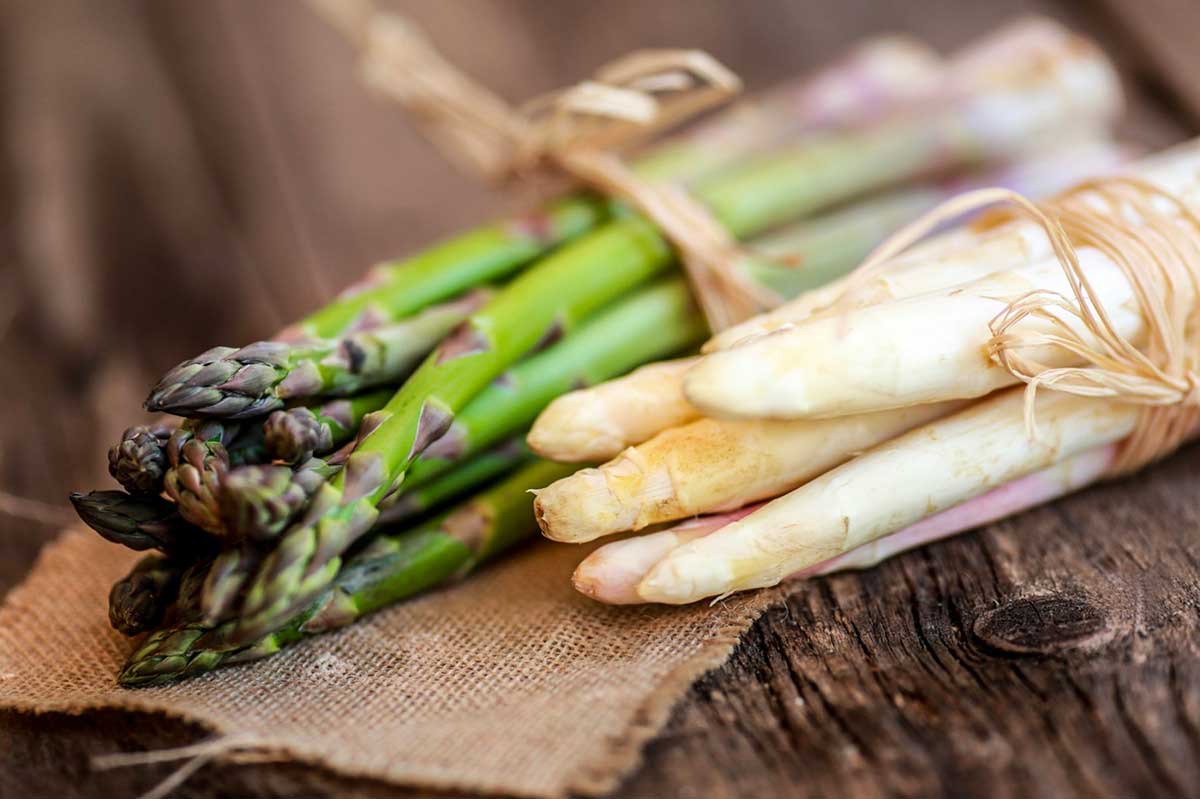
Archive

Peru, First Quarter: Mangoes, Asparagus, and Blueberries Dominated Air Exports – via FreshPlaza

Between January and April 2025, Peruvian air exports reached 36,203 tons, a 32.2% increase compared to the same period last year. This was reported by the Foreign Trade Society of Peru (Comex Perú), which attributes the growth to higher volumes of products such as fresh mangoes, asparagus, and blueberries. Together, these three products accounted for 65.36% of the total volume shipped by air.

The main product exported by air during the first four months of the year was fresh mango, with 14,348 tons—a 70.7% year-on-year increase—representing 39.63% of total air exports.

Fresh or chilled asparagus ranked second with 7,420 tons, up 9.4% and representing 20.50%. Next came fresh blueberries with 1,896 tons, a 26.5% increase, accounting for 5.24% of the total.

Strong Growth in April 2025

In April 2025 alone, air exports reached 9,825 tons, up 69.9% compared to April 2024.

Fresh mango remained the top product with 3,537 tons—a surge of 287.7%—accounting for 36.0% of the monthly volume. Fresh or chilled asparagus followed with 2,136 tons, an 83.1% increase from last year, making up 21.74% of the total.

Other notable products included non-ground or powdered ginger (522 tons, -4%), fresh pomegranates (390 tons, -0.9%), and fresh blueberries (329 tons, +17.5%).

Source: agraria.pe
Cover photo: © Valentyn75 | Dreamstime
Publication date: Thursday, June 26, 2025

Peruvian asparagus expected to rebound in 2025, according to FreshPlaza

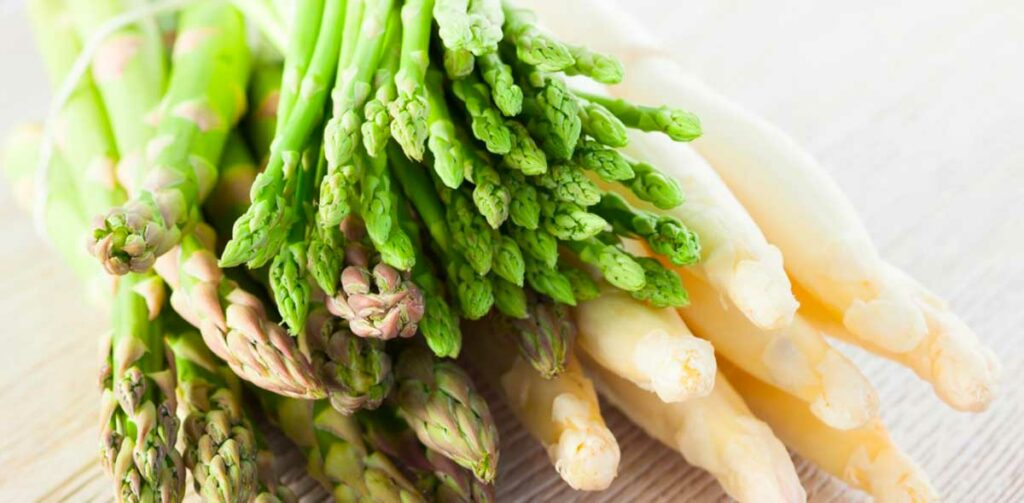
The 2025 Peruvian asparagus season is showing clear signs of recovery, driven by favorable weather conditions and corrective agronomic practices. By May, Peru had exported 39,436 tons of asparagus, representing a 42% increase compared to the same period the previous year.

This growth in volume generated $126 million in revenue, up 18% from 2024, although accompanied by a 17% drop in the average price, which stands at $3.19 per kilo. The main destinations are the United States and Europe, two strategic markets for Peruvian asparagus.

Encouraging outlook, but uncertainties remain

Prospects for the rest of the year are optimistic. Export volumes are expected to exceed 2024 levels by more than 30%. Additionally, the early end of the Spanish season due to persistent rains could open a window of opportunity from June onward, potentially leading to price recovery if paired with an effective commercial strategy.

However, the abundance of supply and downward pressure on prices are creating uncertainty in the sector. In the absence of attractive margins and a clear strategy to boost international demand, some producers have opted to reduce rather than expand their planted areas.

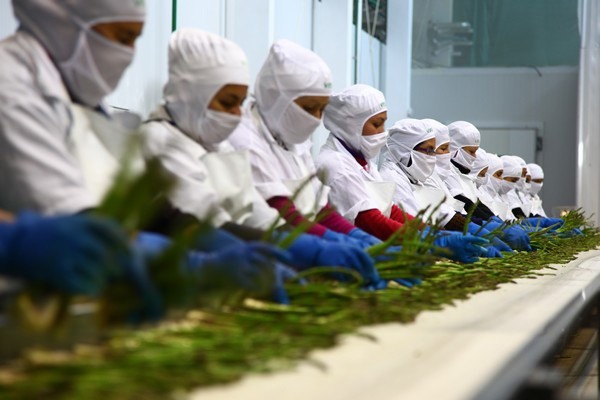
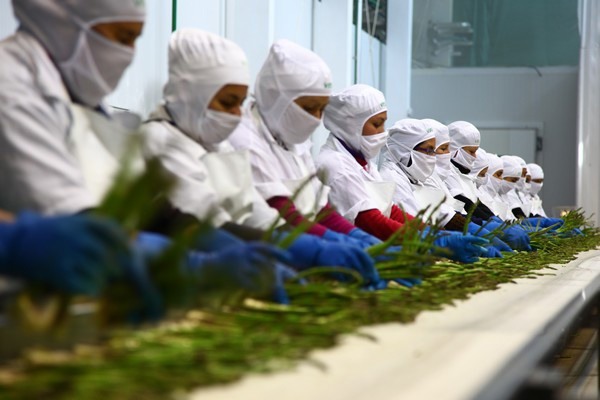
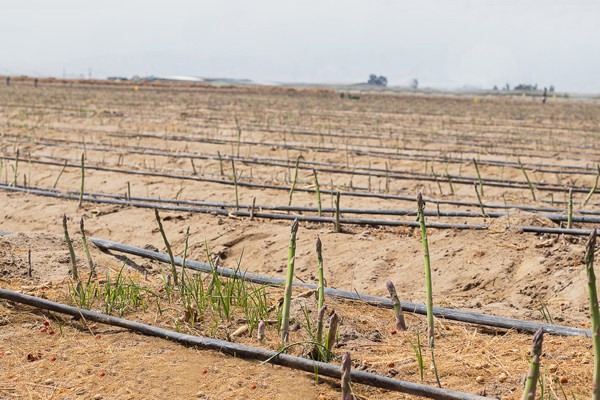
Peruvian asparagus is mostly produced under a model where small farmers supply large exporting companies. In unfavorable periods, this system leaves little room to reinvest capital. This structure may limit the sector’s ability to adapt to new market challenges.

United States and Europe: two different contexts

From a commercial standpoint, the United States remains the main destination. Although annual consumption exceeds 300,000 tons, domestic production only covers 10–15% of that demand. Mexico dominates the supply, increasingly focusing on premium varieties, while Peru remains oriented toward conventional asparagus, posing a challenge as American consumer preferences evolve.

In Europe, the dynamics are different. Countries like Spain, Italy, and Greece produce primarily for their own consumption. However, the seasonal nature of the European market leaves room for Peru to step in outside local harvest periods. Still, growth potential is limited, as imports only account for 15–20% of total demand.

Source: freshfruit.pe
Cover photo: © Picture Partners | Dreamstime

“The French asparagus season is not over yet”

“The French asparagus season is not over yet”

The asparagus season began relatively early in April, thanks to the spring sunshine in northern France, but the situation has completely changed over the past ten days. The reason? A sudden drop in consumption that is slowing production.

“No one wants asparagus anymore. It feels like the season is over, even though production is still active in several regions. In April, we were selling 40 crates in our farm shop; now we’re barely selling 10, and wholesalers at the market want nothing to do with it anymore,” explains Olivier Thomas, manager of La Ferme du Pont d’Achelles.

Earlier harvests shift the peak consumption period

The situation is reminiscent of 2022, with similar difficulties tied to weak consumer demand.

“When we started growing asparagus 20 years ago, the season began in May, with a peak around Mother’s Day. Today, thanks to advances in cultivation techniques, we can start as early as early April. Major production areas in the South have also pushed their harvests forward—some even begin in February. As a result, consumers tire of asparagus more quickly. They’re happy to see it at the start of spring, but by the end of May, they want something else. Whereas Mother’s Day used to mark the peak of the season, this year consumption during that time was very low,” says Olivier Thomas.

Impossible to compete with Belgian and Dutch prices

A bitter reality, made worse by other factors.

“Last year, consumption held up through the end of May because it was rainy—people didn’t feel like eating summer products. This year, spring 2025 has been warmer and sunnier, so by the end of May, people were done with asparagus, especially since the season began in March. They’re ready to move on. On top of that, Dutch and Belgian asparagus is currently being sold at €2/kg at the Lomme wholesale market (MIN). It’s a strategy: when they have too much product, the Belgians and Dutch send it abroad at unbeatable prices to ease pressure on their domestic markets. And that, of course, hurts French producers.”

A premature end to the season expected

Faced with a lack of outlets, the season may end earlier than planned:
“We could have continued harvesting for another month, but it doesn’t make sense if we can’t sell. We still have asparagus in cold storage, and labor costs are high. We’ve already stopped harvesting on 3 hectares to avoid having to throw the product away.”

Even if consumers seem to have moved on from the 2025 season, and the campaign is indeed over in major southern production zones, production is far from finished elsewhere:
“There’s still asparagus in the North, Brittany, Île-de-France, and even in the Centre region. Alsace is still going strong with a dynamic local market. There aren’t even any RNM market listings for our region anymore, even though there’s still produce available. Once the big producers stop, it feels like the season is over. But there are still many small independent growers, and it feels like we’ve been forgotten, even though our campaign is still ongoing.”

For more information:
Olivier Thomas and Françoise Thomas
La Ferme du Pont d’Achelles
Tel.: +33 3 20 48 60 43
laferme-dupontdachelles@orange.fr
https://www.lafermedupontdachelles.fr

Publication date: Friday, May 30, 2025
© FreshPlaza.es / Aurélie Pintat

GLOBAL MARKET OVERVIEW GREEN AND WHITE ASPARAGUS by FreshPlaza

Asparagus markets across the globe are navigating varying weather conditions, supply fluctuations, and shifting consumer preferences. This overview captures the key developments in North America, the Netherlands, Italy, Spain, Germany, Switzerland, Austria, and South Africa during the current season.In North America, tight supply is keeping prices firm, with strong demand outpacing available product for several weeks. Imports from Peru and upcoming Canadian and U.S. harvests are expected to ease the pressure.

In the Netherlands, asparagus sales peaked before Easter, supported by lower supply and strong retail demand. Quality is reportedly good, with prices staying high due to production constraints across Northwest Europe. In Belgium, there was a strong demand for asparagus during Easter.

Italy reports a delayed but productive season, with consistent yields in Sicily and Sardinia and strong demand despite weather challenges. In northern Italy, demand was solid ahead of Easter, though harvest volumes were slightly delayed.

In Spain, rain delayed the start of both green and white asparagus harvesting, though volumes and quality are expected to improve. Granada has reached peak season, and Guadalajara is beginning its harvest with high hopes despite the late start.

In France, the 2025 asparagus season began later than usual due to cool spring temperatures. Despite the delay, quality is high, prices have remained firm, and grower interest is increasing.

In Germany, the asparagus season began around Easter, but trade remains slow due to high prices and limited demand. Cold nights and localized drought have affected harvest pace and product quality.

Switzerland has significantly increased its domestic asparagus production, yet it still relies heavily on imports. Consumption remains steady at around 1 kilogram per capita.

In Austria, the season started later than last year, but initial demand was so strong that supply briefly lagged. The situation has since stabilized, with sufficient volume for Easter sales.

South Africa has seen a major decline in domestic asparagus production, now largely dependent on imports during the off-season. The market favors green asparagus, with high retail prices driven by limited availability.

North America: Tight supply supports firm asparagus prices
Asparagus supply in North America remains limited. The northern Mexico region of Sonora is winding down its season. On the import side, Peruvian asparagus is arriving both by air and sea, primarily destined for the East Coast. This will help supplement the regional supply until Canada’s local crop becomes available following a delayed start.

Domestically, Washington state is also producing asparagus, though this supply mainly serves markets west of the Rocky Mountains, with some reaching the Midwest. California has limited production as well, which largely remains within the state. Meanwhile, New Jersey is about to begin its harvest, and Michigan will start its season in May.

Demand has exceeded supply for nearly three weeks, if not longer. This imbalance is keeping prices firm, currently ranging from approximately €6.80–€7.80 per kg, with organic asparagus priced around 20 percent higher. The market is expected to remain strong throughout May.

Netherlands: Lower supply keeps asparagus prices firm
Asparagus sales peaked last week in the run-up to Easter. “We started the week with a reasonable supply, but initially, I found the prices somewhat disappointing. However, as the week progressed, it seemed that the whole of the Netherlands was once again in the mood for asparagus, which caused prices to rise and resulted in a very nice clock price on Friday, with a price level above €10,” says a Dutch asparagus seller.

He is also optimistic about the coming weeks. “The demand from retail is strong enough. The first batches of heated asparagus have now been harvested, and the late asparagus is now coming into production. Hopefully, the balance between supply and demand will remain favorable,” Rick continues. “The quality of the season is also looking good. We have certainly received fewer complaints than last year; the rust problem, in particular, is much less of an issue this year, which is reassuring.”

Lower production across Northwest Europe is contributing to reduced supply on the market overall. “The supply is still slightly below last year’s levels due to fields that have been cleared or are not producing the expected quantities. This is happening not only in the Netherlands but also in Germany and France. For instance, the area in Nordrhein-Westfalen has decreased significantly, which increases the demand for our asparagus. This is why prices are generally remaining at a higher level,” the trader explains.

What stands out to him is that people are now seeking alternatives in other varieties. “In the past, the focus was mainly on the Double-A white asparagus, but now other varieties are becoming increasingly popular. Additionally, the thickness of the stems this year is noticeably greater than usual.”

Belgium: Strong Demand for Asparagus During Easter
In Belgium, the asparagus season is in full swing, with strong sales already observed around Easter, according to a Belgian grower. “It was really hectic. We’re almost glad it’s over now because if it had continued like that for entire weeks, I’m not sure we could have handled it,” he explains. “We started harvesting on April 7th, which is quite a bit earlier than last year, but the quality is excellent this season. Last year, we had a lot of thin asparagus, especially towards the end of the season, but thanks to a productive summer, we now have nice, thick spears. The prices have also been quite good from the start of the season. Last week, there was a slight dip, but it was still decent. We expected prices to drop on Monday, but they were even higher than on Friday. So, I’m not sure if many of my colleagues celebrated Easter, but it seems to me the supply was a bit lower, which helped keep the prices stable. It may dip a bit now, but I still expect we will continue to work smoothly.”

Italy: Regional updates from key green asparagus producers
The harvesting campaign for Green Asparagus of Canino PGI began in the final days of January, with moderate volumes from the forcing fields using geothermal hot water. “Daily quantities have been rather low on average due to unfavorable weather conditions. At the end of March, the quantities harvested per hectare were around 15–20 kg, while on the fields under protected cultivation, which benefit from geothermal heating, yields exceeded 100 kg,” reports a cooperative managing over 300 hectares with around 100 farms involved and more than 1,500 tons of asparagus marketed.

In Sicily, the green asparagus season began in early February and will conclude in early May. Despite suboptimal weather conditions, the 2025 campaign has been satisfactory in both yield and quality. The average production per hectare ranged between 3 and 5 tons. The primary market remains domestic, especially in northern Italy, with exports becoming increasingly marginal due to strong international competition. Chile and Peru are the main competing exporters, while emerging markets like Thailand continue to exert downward pressure on prices. So far, average prices for Sicilian asparagus have ranged between €4 and €6 per kilogram, with peak prices reaching €7 for top-quality produce.

The green asparagus campaign in Sardinia, involving about 40 hectares, is nearing its conclusion, with harvesting expected to finish around May 10. “It has been a very satisfactory campaign, especially in March when we recorded double the volume compared to last year. Demand has remained steady, and the market has remained balanced with stable prices throughout the season,” reports a partner of the company. Notably, even during the typically more difficult post-Easter period, prices remained stable. A key trend in the 2025 campaign was the unexpected rise in demand for smaller calibres. “It was a surprise because historically, the market favored larger sizes. This year, however, we received marked demand for sizes 6–12, from both wholesale markets and large retailers.”

In northern Italy, a major asparagus producer reported a harvest delay of about ten days due to weather conditions. Nevertheless, product quality has not been affected. Sales leading up to Easter were strong, supported by high demand and consistent prices. The company supplies asparagus in several packaging formats, including 500-gram bundles and 400-gram trays of asparagus tips. The harvest will continue through June, although prices typically decline as production volumes increase.

Spain: Rain delays start of green and white asparagus harvest
Rain has played a key role in the start of this year’s asparagus campaign across Spain. In the case of white asparagus grown along the banks of the Ebro, the season began slightly later than in previous years. “In our case, we began harvesting about 20 days ago, but we are fortunate, as 95% of the area under the PGI Navarra Asparagus has only just begun harvesting due to rainfall,” explains one operator.

“We were fortunate to be able to shape the ridges and prepare the asparagus beds before the rain made fieldwork impossible, and those 20 days of head start have been very useful for marketing our asparagus,” he adds.

“This year, in principle, looks similar to last year in terms of production, with fairly good sizes expected to improve as the season progresses. This is a positive development, as size is one of the most valued factors for fresh produce, especially by customers and the restaurant industry.”

Green asparagus harvesting is in full swing in Granada, which is currently at the peak of the season. This year’s production forecast is 35 million kilos, representing a 10–15% increase compared to the previous season. “This year, the campaign started a bit later due to low temperatures, which delayed the harvest by two to three weeks. However, the recent rainfall has improved growing conditions, boosting the quality, freshness, and shelf life of the product,” says a grower in Granada.

In Guadalajara, the harvest is just now beginning, also delayed by rain and cold weather. “We are very excited about this new campaign, during which we will market our asparagus under the Green Asparagus of Guadalajara PGI seal,” says the President of the Guadalajara Green Asparagus Producers Association. “All our asparagus is grown outdoors, and the cold plateau temperatures make the shoots grow more slowly, which concentrates their flavor and enhances their firmness. Despite the late start, we expect a good season, with around 2.5 million kilos and high-quality produce.”

France: Late campaign offset by strong quality and firm prices
This year’s asparagus campaign in France began two to three weeks later than usual due to unstable weather, particularly cool night-time temperatures, which kept the mounds from warming and delayed crop growth. Typically, the South-East starts harvesting one to two weeks before the South-West, but this season, the South-West took the lead due to the unusual weather patterns.

Despite the slow arrival of volumes, the market has remained relatively balanced, with satisfactory product quality. “Quality-wise, there’s nothing to complain about. We’re also in the midst of a large-calibre year.” Prices started off very high due to the initial lack of supply, but later settled at a level considered acceptable for both producers and consumers. The limited volume early in the season helped maintain stable pricing. Stocks were nearly depleted over Easter and remain tight.

With a strong market and slightly limited supply, more growers are now considering starting asparagus cultivation or expanding their current production areas.

Germany: Asparagus harvest begins, but demand remains subdued
The asparagus harvest began in nearly all of Germany’s major growing regions just in time for Easter. Although deliveries increased with a wide variety of products and origins, trade remained sluggish due to generally restrained demand and persistently high prices. Domestic volumes continued to expand, and the first field-grown batches also began arriving. However, there was still a lack of strong momentum and sufficient volumes to make prices more attractive in the week leading up to Easter.

Despite cold night-time temperatures and widespread ground frost, harvest volumes under single and multi-covered systems continued to rise thanks to sunny weather. However, quality issues were reported in some cases due to extremely high temperatures beneath the covering films. According to the BLE, drought conditions in many areas also slowed harvest progress.

Switzerland: Asparagus production expands, but imports remain high
Swiss vegetable producers have significantly expanded asparagus cultivation in recent years, leading to a marked increase in domestic supply. According to the Agricultural Information Service (LID), the area under white asparagus has quadrupled and the area under green asparagus has tripled over the past 20 years. Around 180 vegetable producers are currently growing asparagus in Switzerland, with most located in Eastern Switzerland, followed by the Central Plateau and Western Switzerland.

Despite this growth in domestic production, Switzerland continues to rely heavily on imports. In 2024, the country imported approximately 3,600 tonnes of white asparagus and 5,700 tonnes of green asparagus. Total consumption of both green and white asparagus, including imports, stands at around 1 kilogram per capita.

Austria: Delayed start to asparagus season followed by strong demand
The 2025 asparagus season in Austria has begun, although slightly later than in the previous year. While the 2024 harvest had started unusually early, this year’s delay was caused by weather conditions. “Everyone wants the first kilo,” says a producer in Lower Austria. In the first few days of the harvest, there was a significant surge in demand, and at times, there was not enough asparagus available at short notice.

However, the situation has since stabilised. “We currently have enough — even for Easter. Demand is high, but supply is sufficient,” the producer adds.

South Africa: Local asparagus production declines, market reliant on imports
South Africa’s asparagus production is now a fraction of what it once was. In the 1990s and early 2000s, there were dozens of asparagus growers, mainly cultivating white asparagus, and a number of canning factories located in the eastern Free State. These facilities were among the early casualties of free trade, particularly due to competition from Chinese tinned white asparagus, which entered the market at significantly lower prices than the local product.

Asparagus is still grown in Namibia, the eastern Free State, and the Western Cape, though the country’s largest green asparagus producer ceased operations in recent years. At the Johannesburg municipal market, where volumes remain low due to much of the crop being sold directly to processors or retailers, the average price for a 200-gram punnet equates to approximately €13.40 per kilogram.

The local asparagus season runs from late August to March, with peak production occurring between the end of September and October. From approximately May to August, asparagus is imported from Peru and Mexico to meet local demand.

The market for white asparagus in South Africa is significantly smaller than that for green asparagus.

Next Topic: Mangoes Publication date: Fri 25 Apr 2025
© FreshPlaza.com / Stefan Jansen van Nieuwenhuizen

Ellen Sebrechts, de Sebrechts Groenten en Fruit (Belgique) : « Les prix commencent à baisser, mais les ventes ne décolleront qu’à la fin de la semaine prochaine » par FreshPlaza

Ellen Sebrechts, de Sebrechts Groenten en Fruit (Belgique) :

« Les prix commencent à baisser, mais les ventes ne décolleront qu’à la fin de la semaine prochaine »

Au début du mois de février, les premières asperges des serres ont été récoltées. Un moment très attendu pour certains, alors que les prix pratiqués les premières semaines peuvent parfois sembler dissuasifs. « Chaque début de saison est toujours spécial, mais cette année, nous avons commencé avec des prix d’environ 45 €/kg. Cela signifie que les ventes restent faibles, avec la crainte d’être vraiment bloqué », explique Ellen Sebrechts, du grossiste anversois du même nom.

« Entre-temps, le kilo coûte environ 20 € de moins, ce qui permet de travailler avec des prix plus intéressants. Les volumes sont encore très limités pour l’instant, de sorte qu’à mesure qu’ils augmentent, les prix ne devraient que baisser. J’ai d’ailleurs remarqué lundi que les prix au cadran commençaient à descendre. J’ai aussi appris que deux autres producteurs commenceront la semaine prochaine en Belgique, de sorte que dans la période à venir, la saison devrait vraiment décoller. »

« Les ventes ne commencent réellement qu’après les vacances de printemps. Chez nous, elles ont lieu la semaine prochaine. Beaucoup de gens partent et cela ne favorise évidemment pas les ventes. Mais une fois les consommateurs de retour, nous commencerons vraiment à vendre, je pense dès vendredi prochain. D’ici là, nous recevrons de plus en plus de demandes. J’ai appris d’un de nos acheteurs de légumes, Roger De Wachter, que d’ici 2 à 3 semaines, les asperges hollandaises, issues de sols chauffés, commenceront également à être mises en marché. »

Sebregts constate néanmoins que tout le monde attend le démarrage de la saison printanière avec impatience pour reprendre de l’activité. « Nous sommes vraiment dans une période de transition. Certains articles d’hiver sont terminés. La qualité des légumes en provenance d’Espagne a été médiocre ces derniers temps, de sorte que les revendeurs sont à la recherche de nouvelles références. Nos clients nous demandent sans arrêt quels produits spéciaux ils pourraient utiliser pour mettre en valeur leur étals. L’asperge est bien sûr le produit de prédilection. »

Les asperges blanches font donc l’objet de grandes attentes, mais pour les asperges vertes, il faudra attendre un peu. « En Belgique, il semble que cela prenne un peu plus de temps que les autres années. Nous recevons des asperges vertes d’Allemagne, et nous en avons aussi eu des espagnoles qui étaient très belles. De plus, nous travaillons parfois avec des produits mexicains et les asperges françaises arrivent déjà au compte-goutte. Cependant, ces dernières sont un peu plus difficiles à vendre en Belgique. Il semble de toutes façons que les asperges vertes soient un peu moins populaires : elles ont tendance à être un peu plus chères, ce qui en fait un produit de niche réservé aux connaisseurs. »

Pour plus d’informations :
Ellen Sebrechts
Sebrechts Groenten & Fruit
Tél. : +32 32374192
info@sebrechtsfruit.be
www.sebrechtsfruit.be

Benefits and recipe for asparagus

Benefits and recipe for asparagus

Delicious vegetables…

Asparagus are delicious vegetables that can be enjoyed in many ways and offer numerous health benefits. Discover some key benefits and a simple asparagus recipe:

  1. They are low in calories and fat, but rich in nutrients. Asparagus are a good source of vitamins A, C, E, and K, as well as minerals like iron, calcium, and magnesium, and dietary fiber.
  2. They may help prevent heart disease. Asparagus contain folate, which can reduce elevated homocysteine levels in the blood—a risk factor for heart problems.
  3. They can help reduce inflammation. Asparagus are a good source of quercetin, an antioxidant known to lower inflammation in the body.
  4. They may improve digestion. Their high fiber content supports digestive health and helps prevent constipation.

Grilled Asparagus – A Simple Recipe

Ingredients:

  • 1 lb (about 450 g) of asparagus
  • 1 tablespoon of olive oil
  • Salt and pepper to taste

Preparation:

  1. Preheat the grill to medium-high heat.
  2. Wash and dry the asparagus. Trim off the woody ends.
  3. In a bowl, toss the asparagus with olive oil, salt, and pepper.
  4. Wrap the asparagus in aluminum foil.
  5. Place them on the grill and cook for about 10 minutes, turning once, until tender.
  6. Remove from the grill and serve hot.
    Optionally, serve with a vinaigrette or sauce of your choice.

Discover more recipes on super-marmite.com.

https://www.super-marmite.com/blog/asperges-violettes-bienfaits-et-utilisation-en-cuisine/

Asparagus Juice Is Also Beneficial

Asparagus juice is a great way to enjoy the vegetable’s health benefits. Here are some of its potential effects:

recette asperges

May help reduce inflammation, thanks to its quercetin content. May support digestion — especially helpful for those who struggle to eat enough vegetables. May help regulate blood pressure, as asparagus are a good source of potassium. May benefit skin health, thanks to vitamins A and C.

Freshly pressed asparagus juice is best, as it contains more nutrients than bottled juice. You can make it at home using a juicer or blender—just blend the asparagus and strain to extract the juice. Add other vegetables or fruits to improve taste and boost nutritional value.