Archive

Why Germany is cutting back on its asparagus crop

With a volume of 110,300 tons, Germany grew 40% of Europe’s asparagus crop in 2022. But Europe’s exporter countries needn’t fear, says AMI’s Michael Koch, because “we keep almost all our asparagus for ourselves – we don’t export much.” He was among the speakers at the International Asparagus Meeting held last November 23 as part of the asparagus and berry show, ExpoSE in Karlsruhe, Germany. Koch, head of Horticulture at AMI, Germany’s expert in agricultural market intelligence, provided a snapshot of supply and demand in the German asparagus market and a glimpse of where it may be headed in 2023.

Asparagus production declining in Germany

Koch started by outlining the changing production dynamic in Germany, where the volume has been on a downward slope in the last five years. The country reached a record of 133,020 tons in its asparagus production in 2018 which was “followed by very low prices, so in the last few years, production has reduced,” he said. The total asparagus acreage in Germany in 2022 was 25,046 ha, which was 2.5% below the previous year. The area actually in production in 2022, 21,267 ha, was down 5% YoY, while the area not used for production increased 11%. The harvest total of 110,300 tons was 7.5% under that of 2021 and Koch said a further drop is expected for the 2023 season, “because there was very weak demand in 2022 due to consumer uncertainty and we saw a decrease in prices, so some of the producers decided to stop harvesting before the time.” The average yield in 2022 was 5.19 t/ha, which was 3% lower than in 2021. and “we expect this number to be a bit lower in 2023,” Koch said.

Cultivation methods and how the harvest is rolled out

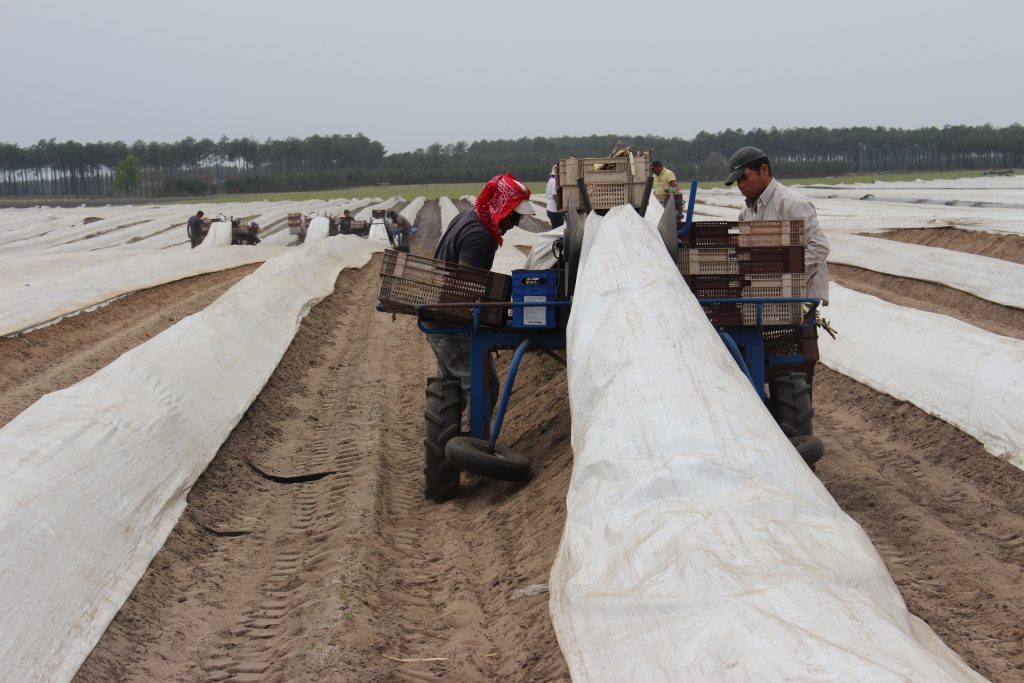
Covering the asparagus rows with plastic foils is the norm in Germany, where only about 10-14% of the planted area is without cover. Black or white covers are used for 84% of the area, triple cover for about 7% and perforated foil 2%. Mini tunnels account for 41% of the planted area. The harvest season kicks off in February with small quantities from some heated production areas, “but we’ll have to see if this is possible in the coming years due to the high cost of energy,” Koch said. After the heated cultivation the harvest moves to the plants under triple cover, double cover and then single cover with black or white top. “The challenge in most years is the time between April and May when all the acreage is in harvest and if the temperature is high and there’s a lot of sun, there is too much supply for the demand we have in Germany and this is always the time when prices go down in Germany,” Koch said. Last year the prices were too low to cover the rising production costs, he said.

Market supply and distribution channels

Of the 110,300 tons produced in 2022, producer organisations accounted for only about a tenth, “which is not very high,” Koch said, adding that there are many different players in the German market, which can sometimes be problematic for the market operation. Adding the imports to the domestic production made for a market supply of 129,800 tons in 2022, from which losses along the value chain to the tune of 28,400 tons are deducted, as well as Germany’s exports of 2,900 tons, to arrive at a total of 98,600 tons available for domestic consumption last year.

Asparagus still regarded as a specialty item in Germany

While white asparagus accounts for a 90% share of German production and green 10%, the relative shares are different when it comes to consumer demand in the country. Koch said German shoppers are shifting a little bit towards more green asparagus consumption, an area of demand that is mostly supplied by imports. Germans may have a reputation as the European champions of asparagus consumption, but Koch explained that, “there was very weak demand in 2022 due to consumer uncertainty and we saw a decrease in prices.” Overall, per capita consumption of fresh asparagus averaged 1.17 kg in Germany in 2022, compared to 1.33 kg in 2021 and 1.28 kg in 2020. Of the about 98.600 tons available for domestic consumption in Germany in 2022, private households accounted for 72% (70,971 t) and HoReCa for 28%. Koch highlighted that 61% of the private household purchases are from food retailers (about 43,200 tons in 2022), of which the share for discounters was just 33%. “This is very different to vegetables in total, for which discounters hold a (retail) share of around 50%, so asparagus is still a specialty.” He said a similar dynamic is seen in the non-retail segment, which accounts for 38% of sales to private households (27,200 tons), where at 18%, the share of asparagus bought direct from farms is very high, “much higher than for vegetables in total.”


Most of Germany’s fresh spear imports are green

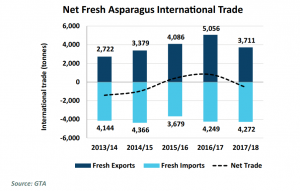
April and May are the months when Germany imports most fresh asparagus, with Spain and Greece being the top source countries, followed by Italy, Peru and other countries. “Mexico is becoming a new big player and a substitute for the asparagus coming from Peru,” Koch said. Germany is 86% self-sufficient in fresh asparagus but nevertheless imported about 19,500 tons of fresh asparagus in 2022, “which was a low number,” said Koch, given that in other years it’s usually between 22,000-26,000 tons. While it’s currently not possible to quantify, the majority of the imports are understood to be green asparagus, with only small volumes of white asparagus imported, he said. Germany also exports asparagus, some in April and the majority in May, “but don’t be afraid,” Koch told audience members from other produce countries, “because as you can see, we are talking about less than 5,000 tons, which is a very small share of the total production.”

Rising seasonal worker costs a challenge

While in 2020 it was difficult to bring in harvest workers due to the pandemic, the availability of labour was better in 2021 and again last year. It’s estimated that Romania is the origin of 80% of the harvest workforce, followed by Poland with 15%, and 5% coming from other counties, such as Croatia and Bulgaria. During the harvest, the incentive (performance) wage is most common but other work is paid by hourly wages. The latter is one of the big challenges for the sector, “because in October, 2022, the minimum wage rose to €12 gross, an increase of 22% compared to the previous season,” Koch said. In exceptional cases, short-term employment conditions can apply, under which  social security contributions aren’t required. For about 30% of employees on German asparagus and berry farms, however, social security contributions must be paid by the employer, which means an additional cost to the tune of about 20% of the gross wages.

Diseases and pests

Germany generally didn’t have too many problems with diseases and pests last year however, during spring of 2022 there was a strong and long-lasting wave of the asparagus beetle which caused significant damage to green asparagus crops. In September, there was a small outbreak of the small asparagus aphid but it did not affect a large area and was largely without consequences. Similarly, there was one outbreak of asparagus fly last year, once again without significance. Also, last season’s drought and warm weather did not cause any significant disease pressure. There were some cases of Stemphylium but of no great importance. There was a short period of asparagus rust in spring and in August there was rust in almost all regions but seemingly with no consequences, Koch said. On the drought, Koch added, “We had to irrigate the plantations after the harvest so that meant another cost for production.”
Brits swapping out asparagus for cheaper foods

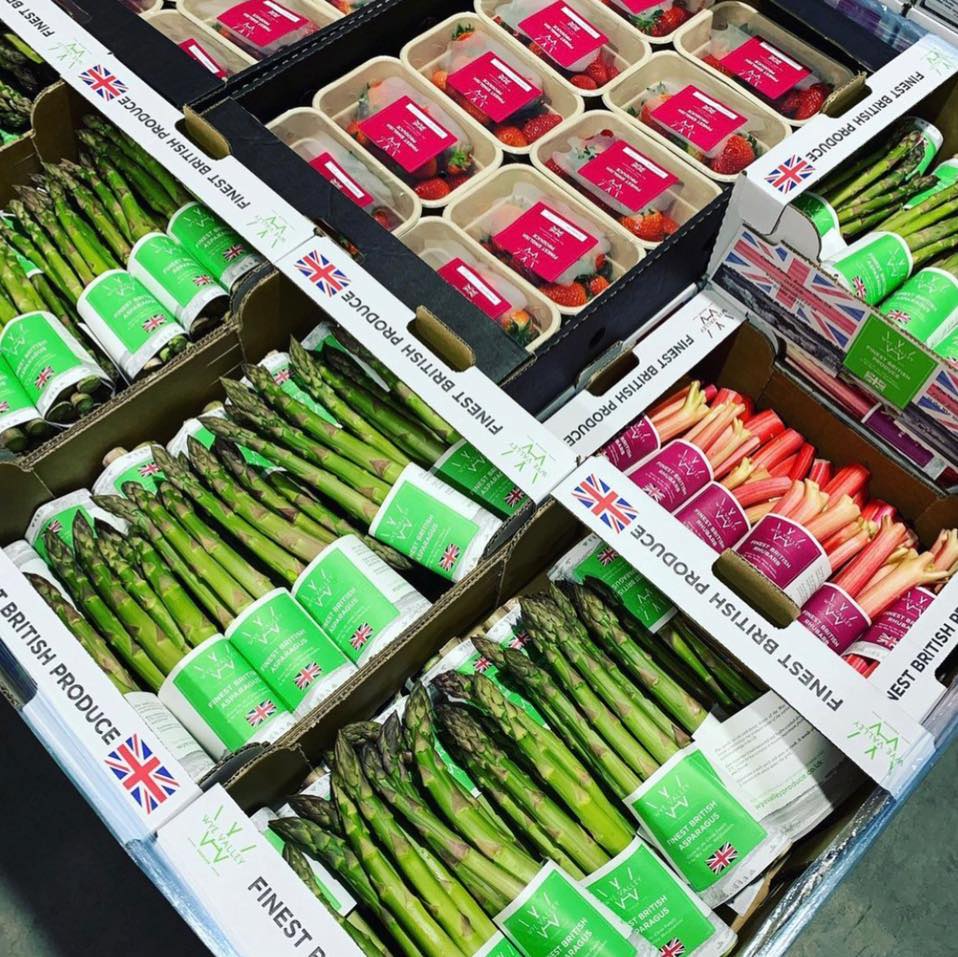
Sales of fresh asparagus at retail in Britain have dropped 14% year-on-year to nearly £76.5 million (≈€87m) while the volume plunged 18.7% to 8.4 million kg. Kantar data for the year to March 19, 2023, also shows fine asparagus has taken the worst hit from the UK’s cost of living crisis, with both the value and volume slashed by around half. In comparison, the overall spend on fresh vegetables in British supermarkets is up 1.5%, though the volume fell 5.6% over the same period. The market research firm says average prices of asparagus have risen by nearly 6%, triggering penetration to slide by nearly 10% in response.

A correlation between price inflation and shoppers exiting the category

It’s clear there is a correlation between price inflation and shoppers exiting the category. A number of shoppers have swapped their asparagus purchases for more staple categories like potatoes, carrots, cucumbers and onions, while others have dropped asparagus from their overall vegetable repertoire. We know that shoppers have already been reducing the number of different fruit and veg types they buy and this has ramped up in recent months suggesting shoppers are becoming more minimalistic in a bid to save money,” a Kantar analyst told Asparagus World in late March. Britain’s produce shoppers in general have moved some of their spend over to frozen vegetables, most likely as a way to make some savings, with frozen vegetables perceived as offering better value for money, they also said.

US could soon lift fumigation rule for Peruvian spears

Currently, fresh green asparagus exports from Peru must be fumigated with methyl bromide in order to enter their biggest market, the US. The requirement is designed to reduce the entry of pests. But Peru’s national phytosanitary agency Senasa has sought for fumigation to be replaced by a systems approach. In March, the US Animal and Plant Health Inspection Service (APHIS) told Asparagus World it was considering alternative phytosanitary import requirements, including the systems approach proposed by Peru. In 2022, APHIS published a pest risk assessment for stakeholder consultation which closed on August 8. “We have reviewed the comments received and are developing risk mitigation measures to support safe importation without fumigation. If APHIS determines that imports could occur safely under alternate measures, we will publish an initial notice of proposal for new import requirements in the Federal Register. The initial notice would be available for public comment for 60 days. After, we would evaluate all comments received and make any needed changes to the requirements before we publish a final notice authorising importation,” an APHIS spokesperson said.

 “Improve the competitiveness of Peruvian asparagus”

Under the International Plant Protection Convention (IPPC), a phytosanitary systems approach is defined as the integration of different phytosanitary measures, at least two of which act independently, that cumulatively reduce the risk of pest and pathogen movement to the appropriate level of phytosanitary protection. In a press release last year, Senasa said replacing the fumigation requirement would “improve the competitiveness of Peruvian asparagus in terms of quality and shelf life; mainly benefiting small producers and exporters of this product to the US.” Research* shows even a moderate fumigation treatment harms both the shelf life and eating quality of spears even if there’s no visible damage. In 2022, Peru exported 24.8 million 11lb (≈5kg) boxes of fresh asparagus, with 73% going to the US.

* D. J. Beever, C. W. Yearsley & M. G. Hogg (1985) Effect of post-harvest fumigation on quality of asparagus spears, New Zealand Journal of Agricultural Research, 28:4, 537-543, DOI: 10.1080/00288233.1985.10418000

Luxury white asparagus has a name: ASPA

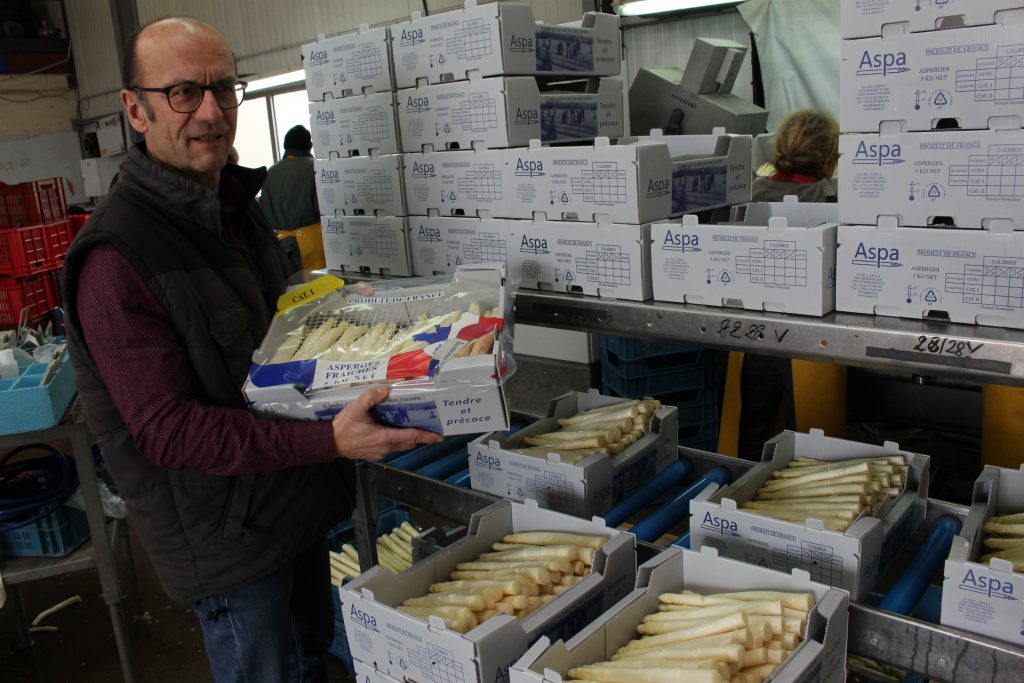
Loire Valley Asparagus has been grown for centuries in the deep sandy soils of the ancient riverbed of the kings of France.  But since 1995 in Avoine, it has benefitted from an added advantage: hot water. This is provided by the tertiary network of the EDF nuclear power plant. ASPA, which specialises in the production of white asparagus, takes advantage of this hot water by using a 200-km pipeline network under the asparagus mounds. 30oC water is distributed across 20 hectares of asparagus grown under different types of shelter, and without producing any greenhouse gas emissions.

Heating pipes in the mound

The temperature in the mound can be raised to 18-22 degrees Celsius in the middle of winter, thanks to the channelling of water at 30 degrees Celsius.

“We grow 5 hectares under plastic greenhouses and 15 hectares in open field,” said Jacques Guironnet, who bought the company in 2012 and created ASPA2. The temperature in the mound can be raised to 18-22 degrees Celsius in the middle of winter. “We aim to start production in mid-January by starting heating 20 days before,” said Guironnet, who can be considered the earliest asparagus producer in France, and in Europe, too. After acquiring the farm, Jacques Guironnet modified the production technique by switching to a 3-metre-wide gap plantation, and a density of 25,000 crowns per hectare in double rows. Establishing the asparagus field required a significant investment and a great deal of work in installing the heating pipes, which do not allow mechanical planting. Faced with the lack of area, Jacques Guironnet started replanting asparagus on asparagus, which in this case required the removal of the old heating system. A lot of extra work.

Backlim was traditionally the variety planted in the area. Nowadays, it is Vitalim, chosen for the fact that it performs better in cold conditions and because the plant’s rest period is shorter. When the asparagus grows, the harvest is constant thanks to the controlled heating and the buffering effect of the shelters. “We are not required to handle the black/white and thermal plastics very much because the cool weather conditions are more stable than those of April or May,” he said.

So tender that there is nothing left on the plate

“Even in the cold weather, it is important not to overheat the mound, as the excess temperature can lead to a loss of

“la Délicate” is a premium quality asparagus from ASPA with a special packaging.

quality,” said Guironnet. Early production followed by an early end of harvest ensure a very long growing period that begins in mid-April. These additional two months allow great potential for accumulation of reserves for the following year. In summer, the cultivation is carried out in the same way as for a classic asparagus crop by aerating the shelters as much as possible. Most importantly of all, the crop is protected against thrips.

The regular growth of ASPA asparagus gives it a remarkable quality. Indeed, this is what led Jacques Guironnet to come up with the slogan: “So tender that there is nothing left on the plate”. ASPA customers appreciate this asparagus for its great tenderness, its very slight fibrousness, its sweetness and absence of bitterness, and its very regular taste quality. ASPA also pays great attention to the visual quality of its asparagus, which is very white and hand-peeled for extra quality.  The supply period runs from mid-January to mid-April, with 50% of sales being in France to wholesalers, specialty distribution, and food service. The other half is exported, mainly to Asia, through importers who supply a high-end clientele from the gastronomic world. ASPA asparagus is available in 5 kg and 2 kg packs as well as in 500 g bunches.


Greek asparagus season

Greece’s asparagus production area is around 5,000 hectares in the Kavala and Agrinio regions, mainly marketed fresh to other EU countries. Although 97% is dedicated to white varieties, this year, for the first time, some pioneer companies are also growing green asparagus. The 2020 asparagus season in Greece kicked off 10 days early this year, as the warm weather across South-Eastern Europe accelerated the growth of the product and brought good quality. Consequently, all calibres of white and purple asparagus are available earlier than normal. Peru is the only competitor currently on the market with higher volumes. But as Greek producers’ sustainable packaging meets the requirements of most German retailers (the main market), they are ahead of their South American rivals.


Delta Spar

positive early season

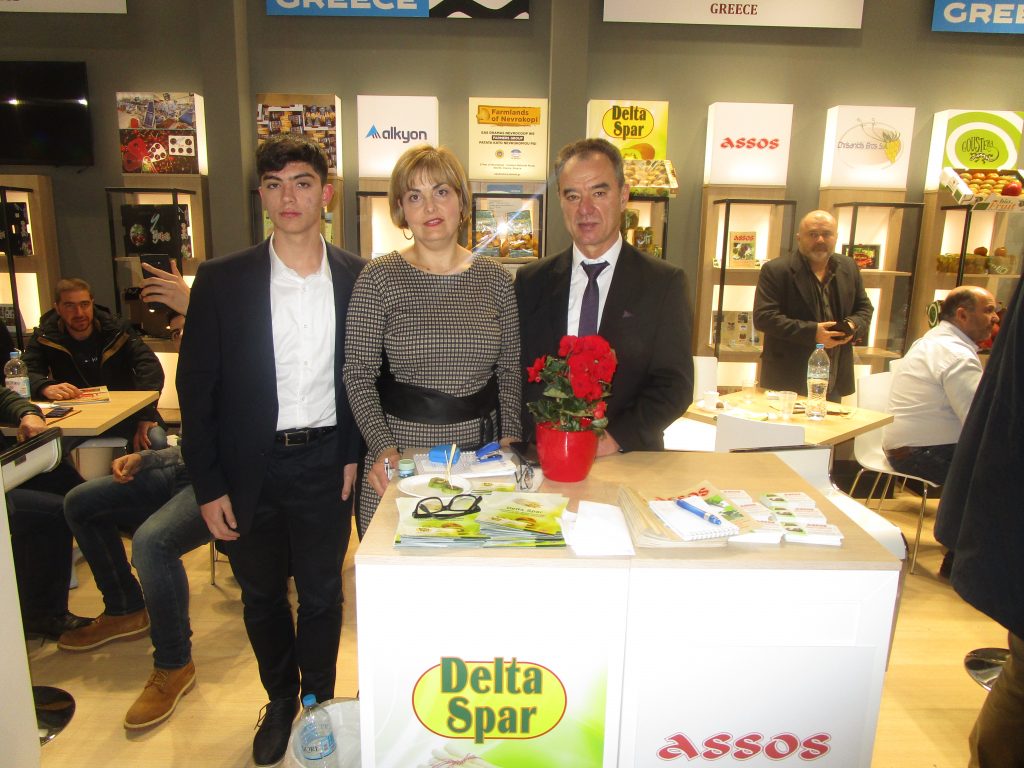
Delta Spar has made a positive and early start to the asparagus season in the Greek region of Kavala: “Thanks to the good weather we have had in Greece, the season will start early and should end in early May. The product quality is essentially of the same level as that of last year, both for the 12 gauge and for the 14 and 16 gauges,” said Anastasios Papargyriou. Available exclusively in the white and purple type, Delta Spar’s asparagus is mainly destined for the major European supermarket chains in Germany, Italy and Spain.


Coop Kavala

Starts producing green asparagus

Coop Kavala is preparing to introduce green asparagus alongside its production of white to expand its range: “In the last 5-6 years, the asparagus sector has seen major changes, with the arrival on the market of new producers who have replaced old ones. Today we have reached the point where resources have to be optimised. This is why we have chosen to take on the challenge of introducing green asparagus, with the certainty that the asparagus produced in our region has an incomparable taste,” said general manager Karkatzalos Tasos. With a combined 150 hectares divided between approximately 50 producer members, Coop Kavala is the main Greek producer of asparagus. The product is mainly exported to the major European markets, such as Italy, Slovakia, Switzerland, Austria, France, Poland and above all Germany.

Assos

asparagus from protected cultivation

The Assos Cooperative supplies asparagus from the Greek region of Kavala produced using protected and heated cultivation methods: “We essentially produce white asparagus, and have recently started to use protected and heated cultivation techniques, which allow us to harvest earlier than other production areas. We also offer new, cheaper and more sustainable packaging to meet the needs of large retailers,” said the cooperative’s president, Leonidas Kafetzopoulos. At the outset of a season that promises to be a positive one and in line with the previous campaigns, Assos’ asparagus is destined mainly for export, especially to Germany, France and Italy.

Agiasma

with organic and green asparagus

Agiasma expects a positive asparagus campaign in Eastern Macedonia and Thrace, and anticipates the arrival of the first green varieties: “For 27 years we have been cultivating exclusively white asparagus. This year’s favourable weather conditions will allow us to bring forward the harvest to mid-February for asparagus grown in the field. From next year, we are also thinking of introducing the first green asparagus and starting organic production,” said the firm’s president, Nikolaos Emmanouilidis. Agiasma’s high-quality product is destined primarily for European markets, with 20% going to Italy, another 20% to the Netherlands, and the remainder to southern Germany.


US asparagus faces increasing competition from Mexico

Increasing competition from foreign asparagus has strongly impacted US acreage. USDA data shows that in 2019, the area planted in the country totalled 21,900 acres, which produced 75.3 million pounds, down from 2017 levels of 27,600 acres and 84.1 million pounds, respectively. The main area affected, especially by the increasing entry of Mexican asparagus, is California, whose cultivation in 2007 covered 20,000 acres, reaching a harvest volume of 58 million pounds. By 2019, growing area was down to 5,300 acres and output was only 18.2 million pounds. The state of Michigan was the country’s leading asparagus producer in 2019, with 10,000 acres and 28.2 million pounds, followed by the state of Washington, with 4,500 acres and 22.5 million pounds of asparagus harvested.

Altar Produce 

Christopher Ramirez


develops East Coast to increase US presence

Altar Produce has 3 offices in the US: a central office in the city of Calexico, one in San Diego, and a newly opened one in Miami, from where it is developing its penetration strategy along the East Coast. Christopher Ramirez, president of Altar Produce, said, “It is a challenge to change the mentality on the East Coast, which is dominated by Peruvian asparagus, but we believe that we are doing a good job with the supermarkets who appreciate Mexico’s year-round stable offer and supreme quality. Another great advantage we have in Mexico is the freshness that we can deliver for our US customers, being just on the other side of the border. Peruvian asparagus faces several challenges: old fields, logistical problems with maritime transit times of up to 2 weeks, and the fact that it has to be fumigated.” Every year, Mexico is supplying fresh product in ever greater volumes. The US represents 60% of the volume sold by the company, which records annual production increases of 20-25%. “There are certain periods of the year when Mexico has a high volume of asparagus. That is why we have to sell to the entire US, rather than only to the West Coast.” As of this year, the firm will begin offering organic asparagus – the result of an initial project of 500 hectares. Moreover, Altar is testing biodegradable materials for packaging. “We have to be up to date with viable technologies,” said Ramírez.


Dan Miller

JMB Asparagus

invests in acres and new packaging in California


Jacobs Malcom & Burtt started out as a wholesale fruit operator, and when Leo Ronlandelli purchased the company in the 1960s, it pioneered the shipping of fresh asparagus to the East Coast and the Pacific Rim. “We have taken a seasonal commodity and made it a year-round available product with our own production and importing primarily from Mexico,” said Dan Miller, worldwide production & grower relations manager. “We are one of the last shippers of asparagus from California, where JMB represents 30% of the asparagus acreage. We also ship from Canada and South America, managing on a yearly basis over 8 million pounds.” Last year, JMB’s California growers have invested in more than 150 new acres of asparagus, and more than US$1 million of automated packing equipment to reduce costs. Overall, the company and its suppliers have invested more than US$4 million to improve its packing facilities and food safety operations in California and Mexico. Regarding new demand trends, Miller explained that “purple asparagus has become a specialty variety, especially among gourmet chefs, but the green asparagus still leads the category.”

Michigan asparagus

an industry focused on value-added products


Michigan State has over 100 firms involved in commercial asparagus production on 9,500 acres. For years, its production has been stable, between 20.5 and 22.5 million pounds, ranking, together with Washington State, as the largest or second largest producer in the country, depending on the year. The most significant thing about Michigan production is that it still has a very viable processing market. Last year, 30% was either canned or frozen, while the remaining 70% was sold in the fresh market. This year’s harvest season will start in May, with similar volumes to 2019 expected. “Our focus is on value-added products. Instead of just sending asparagus in the traditional 5-kilo boxes, we will offer something like a microwavable bag, or focus on larger-sized spears, which are better for grilling and roasting,” said John Bakker, executive director of the Michigan Asparagus Advisory Board. Michigan growers are always looking for new and better varieties. “The majority of the industry has planted a variety using our materials called Millennium, and now we are starting to see a new variety from the same breeding programme called Guelph Eclipse. We have started to plant the Dutch variety called Spartacus, a New Zealand variety called Pacific Challenger 2, and we are carefully monitoring a couple of new varieties from the LimGroup programme,” said Bakker.


Italy freezes its asparagus

With 700 hectares of asparagus cultivation for processing, Italy now ranks first in Europe. In recent years, the Emilia-Romagna region has developed a regulation for integrated production of asparagus which governs both fresh and processed products. Compliance with these regulations means that the packaging can be labelled “Quality Controlled QC”, with guarantees for the environment and for the health of consumers.

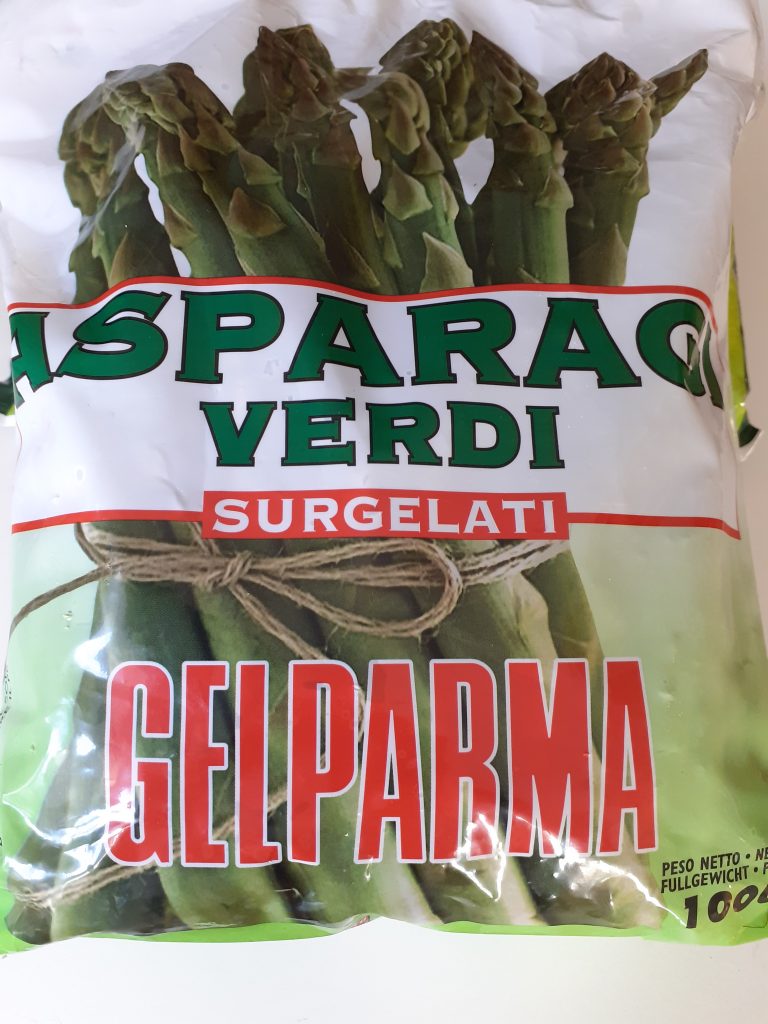
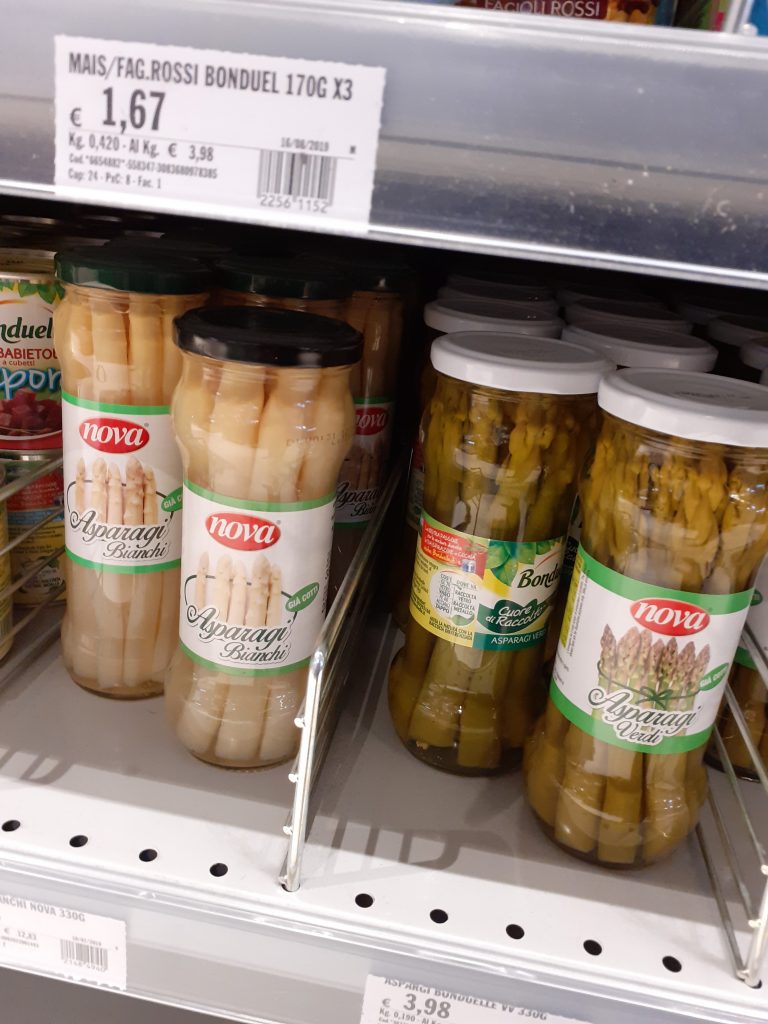
In the case of asparagus, the varieties suitable for vegetable preserves must have specific characteristics, including a uniform white or green colour, homogeneous calibre, and resistance to the sterilisation process. When peeling, the waste rate should not exceed 10% of the gross weight. After blanching, the product undergoes a sterilisation phase. Then, 90% of the can’s content weight should consist of asparagus. Asparagus can also be stored by deep freezing, with the tips very quickly reaching the temperature of -18 C. Unlike with normal freezing, deep freezing ensures that the cooling speed causes the formation of microcrystals that do not damage the biological structure of the food. Keeping the temperature below -18 degrees Celsius significantly slows down chemical and enzymatic reactions and microbial activity becomes almost zero. The organoleptic and nutritional characteristics of frozen vegetables remain unchanged from the original product. If the cold chain throughout the asparagus’ frozen life is scrupulously respected, deep freezing is the best storage system and is capable of offering the consumer a product that can compete with the fresh product. Freezing requires a high-quality product. Spears must have a closed tip and a regular, straight shape so that the frozen product can be packaged (in cans or bags). The colour should be a homogeneous white or green, with red-purple hues not persisting after blanching. To optimise freezing, spears must be at least 130 mm long and have a homogeneous calibre divided into three categories: 7 to 10 mm; 10.1 to 15 mm; 15.1 to 20 mm.

Where in the world is asparagus processed?

Asparagus should be considered a “global” crop; the world’s asparagus cultivation currently comprises 210,000 hectares, with a high concentration in Peru (20,000 ha), Mexico (20,000 ha) and China.  In Europe, Germany (22,000 ha), Spain (14,000 ha) and Italy (9,000 ha) are the main producing countries. The processing sector is divided into two major markets: canning and freezing. The asparagus produced in China is largely intended to meet the need for freeze-dried and frozen asparagus. Peruvian production is also very oriented towards the processing market. In fact, it was to meet the demand for processing that asparagus was first grown in Peru. Approximately 13,200 ha (or 60%) of the 22,000 ha of asparagus produced in Peru is for processing. The United States processes half of its asparagus crop (10,000 ha), mostly green and frozen. China, Peru and the United States therefore represent the world’s top-three processed asparagus producers. South Africa also devotes a significant proportion (70%) of its crops to processing, that is to say, more than 1,800 ha. Other African countries are also developing their processed asparagus industries (see previous page). On a smaller scale, New Zealand processes 50% of its crops (about 600 ha). By contrast, Europe no longer produces much asparagus for processing. Spain processes only a small part of its production of Navarra PGI asparagus and Italy sends some green asparagus for freezing.

Speed gives Australia an edge in Asia

Asparagus can be cut in the field in Australia and on sale in Japan 30 hours later. This second to none access to markets in Asia is one of Australia’s fortes and maximises the freshness, quality and shelf life of its spears. Via direct flights, the majority of the country’s asparagus exports not only reach countries such as Japan and Singapore fast, they benefit from minimal tariff restrictions. But Australia also faces challenges – such as the high cost of labour and of this rapid air freight – and it has just ended a “rollercoaster” of a season dogged by adverse weather, explains Australian Asparagus Council president Adrian Raffa.


Japanese now have yen for thicker Aussie spears

Asparagus is Australia’s second biggest fresh vegetable export, though it contributes just 1.8% of the total volume while carrots lead with 53.6%. The Southern Hemisphere grower is among the world’s top ten asparagus producers but ranks lower by area, arguably due to yields higher than the global average. The official figures are not yet in for Australia’s 2019/20 asparagus season, but ITC Trade Map data shows Australia exported 3,245 tons of fresh asparagus (HS code 070920) in the 2019 calendar year. Of that total, the lion’s share (70%) went to Japan, Singapore 7%, Taiwan 6.5%, Korea 6.3%, Hong Kong 5.6%, China 3% and Malaysia 1.3%. Raffa, who is also export coordinator at exporter Momack Produce, said around 50-60% of the spears for Japan are sent loose in 10kg wooden boxes, with 30-40% in the standard Japanese retail format of 100g barcoded and banded bunches. In Japan, the Australians usually ship to trading companies who onsell to retailers. The Aussie export season – usually mainly from about September to December – coincides with a time when there is still a lot of production in Japan and Taiwan despite being the counterseason. Raffa said Australia has managed to turn to its advantage something that 10 years ago was a problem – the fact that its spears have a much bigger diameter than the very skinny ones grown locally in these markets and imported from Mexico. Now, in both its domestic and export markets, consumers are learning to associate Australia’s thicker asparagus with a softer, juicier product with less fibre per spear. “We offer a different eating experience you can really only get from Australia,” he said.


High-end segment in China beckons

So far, Australia sells insignificant volumes to China (mainly Beijing and Shanghai) but the Asian giant is well on its radar because unlike other markets in the region, most of which are quite mature and saturated, “it is slowing transforming into more and more growth for Australian asparagus,” Raffa said. China has so many growing regions that it has domestic supply for much of the of year and a very low cost base compared to Australia’s high labour and air freight costs. “But if we can highlight our quality there’s a lot of potential in China’s retail channel,” he said.


Room for domestic demand to rise


source: 2017/18 Australian Horticulture Statistics Handbook

According to the 2017/18 Australian Horticulture Statistics Handbook, only a third of Australian households bought asparagus in the year to June 2018, buying an average of 233 g of asparagus per shopping trip. The supply per capita was 326 g, based on the volume supplied. Raffa said consumption is growing but with plenty of room for more of this versatile vegetable in the Aussie diet. Fresh asparagus – 99% green – is marketed through central wholesale markets in all states of Australia and also sold direct to supermarkets and foodservice. Raffa said the standard retail format is now a 150g bunch with bands at the top and bottom. Many years ago it was 250 g but retail pressure to hit certain price points has seen it shrink. The national market predominantly prefers spears of 9-15 ml diameter.


Counter season imports from Mexico, Peru        

Generally, about 60% of domestic asparagus production is consumed within Australia, with the local product usually available from August to December and then mid-January through to April. Over the Australian winter, when local asparagus is not available, imports arrive from Mexico mainly but also Peru and as of August 2019, both must undergo pre-shipment methyl bromide fumigation. Australia also imports small amounts from the US to meet seasonal and variety niches, and Thailand.

Imports generally arrive pre-packed for Australian specifications. Around 98% of Australia’s tonnage is grown in the south-eastern state of Victoria and the vast majority of it in Koo Wee Rup, which is known for its “black gold” – a unique and highly fertile black peat asparagus thrives in. Like the perfect ‘terroir’ for wine, this asparagus hub also has ideal air, water, climate and terrain for great quality spears. Mildura, in north-western Victoria, is the second-biggest production area and has a slightly earlier crop thanks to being an average 5C warmer. Compared to asparagus producers elsewhere in the world, Australia generally enjoys environmental benefits such as low chemical use and relative freedom from pests and diseases.


Ko Wee Rup is known for its “black gold” – a unique and highly fertile black peat. Like the ideal “teroir” for wine, it grows asparagus with great quality spears.

UC157F1 favoured for Australian farrows

There are typically two asparagus harvests: a spring cut, which supplies premium quality spears (known for their sweetness, Raffa says) mainly for the export market; and a summer cut, primarily destined for the domestic market. In Victoria, the spring harvest is usually from about August to late December (with peak availability in October). The summer cut runs from mid-January-mid April. By far the main variety is the high yield UC157F1, with Mildura also growing some Ida Lea. The asparagus is grown in raised beds which keep lots of water in the furrows during high rain periods in spring and the plants out of flooding. “The last season was quite a rollercoaster,” Raffa said. Very wet weather at the start of the 2019 spring season reduced volumes and Koo Wee Rup faced unprecedented amounts of cold weather and hailstorms in mid-October. All this combined with other adverse weather reduced volumes and created challenges in maintaining quality and reliability. On the positive side, the bushfires which razed many other regions over summer did not reach these areas though smoke haze made visibility quite low, he said. While it was once focused on canneries, competition from much-cheaper China has seen Australia predominantly supply fresh spears. And where once there were over 100 growers nationally, consolidation and farmer retirement has shrunk that to about 20. On the potential impact of the COVID-19 pandemic, Raffa said the Australian industry is very reliant on air freight exports and foreign workers. “The potential to be without either for the upcoming season is very concerning and we’re looking at ways to address that,” he said.      Fresh Asp by country

Australia’s main asparagus growers & exporters

Momack Produce Pty Ltd: farmers, packers and exporters based in Koo Wee Rup, Victoria. Dispatches 7 days week from Melbourne airport. Supplies major wholesale markets and supermarkets including Coles and Woolworths across Australia via sister company Motta Produce.


T&G Vizzarri Farms Pty Ltd:  also a Koo Wee Rup-based grower-packer-shipper, is the nation’s biggest asparagus producer and a supplier to Coles, Woolworths, Aldi and Costco.


France cultivates tradition

Over 20,000 tons of asparagus is produced in France each year; according to Eurostat, output reached 20,680 tons in 2018 and 21,600 tons in 2017. Asparagus is part of France’s agricultural and gastronomic culture.

Producers’ great technical expertise

For producers and consumers alike, asparagus has now become an established part of the heritage of many French regions. It used to be grown only in the south of country, because asparagus is a Mediterranean plant, but the kings of France also tasted asparagus from the Loire Valley. The variety Asparagus d’Argenteuil (a city near Paris) won awards in 1878 at the Universal Exhibition in Paris. Asparagus has been grown in many parts of France such as the Loire Valley, Languedoc, Aquitaine and Alsace. In the 1960s, asparagus developed in the south-east of France alongside its vines. This is an early harvesting area thanks to its warm spring climate. But fusariasis has largely decimated this culture. In the 1980s, French production found refuge in the sandy lands of the Landes on the ocean front. New soils and especially the development of the use of plastic films have allowed the south-west of France to become the country’s leading asparagus production area, with almost 25% of the surface.

The climatic issues presented by the south-western region have been overcome by a winning combination of the producers’ high level of technical knowhow, early planting of varieties, and the use of multi-film coverage. This year, the first French asparagus was harvested in early February in the Landes. French asparagus has long been in competition with Spanish asparagus, which is always earlier and often cheaper on the French market, with the extra cost of transport offset by the lower labour costs in Spain. With the drop in the production of Spanish white asparagus (now converted to green), French asparagus has regained its domestic market. Demand for French asparagus and consumer interest in direct selling boosted plantations and replanting in all production basins between 2014 and 2018, with about 5,000 ha now in France. The asparagus grown in the south-west is mainly intended for large-scale distribution (hyper markets, hard-discounters). The region has two producer groups, Coopadax and Maïsadour, associated with Primeurs de France (formerly Prim’co) for marketing. It also has large independent producers. The region has been recognised as a PGI (protected geographical identification) “Asperges des Landes” since 2005, which brings together 2,500 tons of asparagus from 60 producers. Further north, the Blayais region has also benefited from the “Aperges du Blayais” PGI since 2016.

Standing out from a taste point of view

The Val de Loire is another developing region. In Maine et Loire, asparagus growers, consolidated in the Fleuron d’Anjou cooperative, have specialised and increased their production area. There is also production in the Loir-et-Cher region, where the cultivation of green asparagus is organised within the Axéréal cooperative.

In Languedoc too, asparagus has regained some momentum, with new green asparagus plantations (accounting for a third of the 2017 and 2018 plantations). Green asparagus is often produced by specialised producers under shelters (some heated) and in mini-tunnels to achieve high quality levels. The Camargue is another asparagus area with light, sandy and sometimes salty soils that make for a production with a very different taste quality. The Cofruid’oc cooperative highlights this quality with the “Celestin” brand of white asparagus and “Wild” brand of green asparagus. Alsace has also planted asparagus. Producers there have developed the use of a double mulch (black/white mulch + thermal mulch) to make gains of a few days in terms of precocity while also benefiting final yields. Alsace asparagus is consumed in the region, with more than 70% of the volume going to direct sale. The asparagus is generally peeled at the time of sale, as is also the case in Germany.

Potential for growth in consumption

The highly favourable technical and commercial environment enjoyed by French asparagus over the past ten years is now starting to shift. However, asparagus consumption can be promoted through packaging innovations such as flow packs to improve shelf life, or peeled asparagus to offer greater convenience, or green (and purple) asparagus for greater product innovation. The French asparagus sector can also play the “natural” card with consumers who care about their health, and the “local” card with consumers who want to buy locally. Increased volumes, an extended production schedule, and marketing campaigns can also create opportunities for openings in Europe, as well as in markets further afield thanks to improved conservation techniques and logistics. But 2020 will be a year marked by the Covid-19 crisis, which is hitting the countryside and the consumption of asparagus in France.

More Info

Asparagus Associations

Asparagus accounts for only 2% of France’s vegetable production area, but the place it occupies in the country’s heart is much larger. For consumers, it is the first vegetable of spring. For professionals, asparagus is a high-tech culture that requires great financial investment and management of labour resources, and one which can offer good profitability (depending on the year). In commercial terms, asparagus is a high-end vegetable, with (often) comfortable margins. Asparagus is a vegetable that is grouped within the Association of Asparagus Producers’ Organisations of France. The association consists of seven groups, representing a combined 1,100 ha and 5,300 tons of asparagus – or about 30% of overall production (2019 data). Its missions are to study production and markets, to develop consumption, to respond to production problems (agronomy, crop protection, etc.) and to be the producers’ representative in dealings with the government and administrations. Other independent producers are also grouped within the association Asperge Avenir, while organic asparagus producers have formed an association of their own. These two structures together account for about 30% of French production.


More Info

How to get young people to eat asparagus?

Around 81% of asparagus eaten in France is consumed by people over the age of 50, with only 5% eaten by the under 35s. This has led the French asparagus association “Asperges de France” to carry out a study to encourage young adults to consume more. The results show that under 35s tend to buy asparagus because it is a vegetable that “celebrates the arrival of spring”, which is “rare and seasonal”, and which is “fun”. The reasons they don’t buy it are because “it’s not on the shelf,” “it’s expensive”, or “it’s not good quality”. The majority of young people buy bunches because they are “fast, practical and aesthetic”. They love novelty and new uses like green asparagus. 71% of them are inspired by a dish they have eaten in a restaurant to prepare a meal at home. But asparagus is almost never seen on restaurant menus in France!