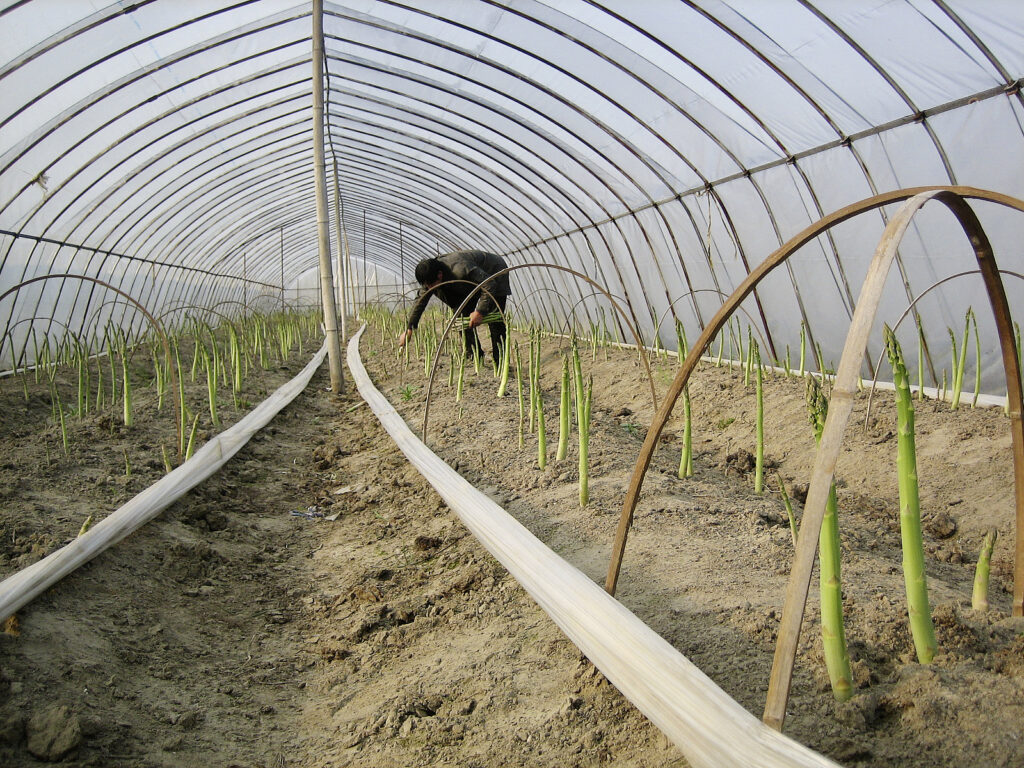
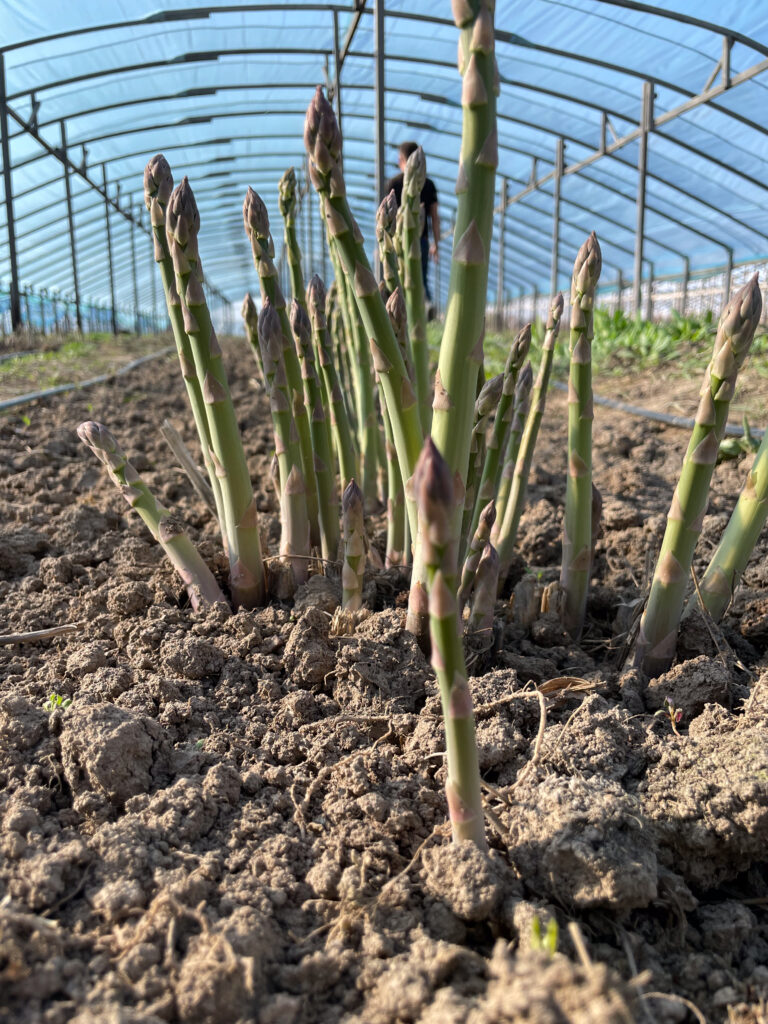
Asparagus cultivation in China started in the 1970s and has since taken off. China is now the world’s top producer, with an asparagus area of around 100,000 ha and just five provinces together growing 60% of its total crop.The asparagus market in China was forecast to reach a value of about US$32.44 billion by 2023, followed by further growth to $40.79 billion by 2029 thanks to a 3.9% growth rate. About 70% of China’s crop is consumed domestically – with green asparagus the type preferred by Chinese consumers – and the rest is exported. Efforts to further expand and enhance the asparagus industry in China are imperative in order to meet the growing demands of both domestic and foreign markets. But the industry faces challenges such as relatively low average yields compared to those in Europe, resulting in a loss rate of nearly 40% before the product even reaches the consumer.
What keeps China from growing more asparagus?
The development of the Chinese asparagus industry faces several limitations that need to be addressed for sustainable growth. These include:
Disarray in the asparagus seed market: lack of quality seeds
Lagging cultivation techniques
Stem blight disease
To address these barriers, researchers are working on a breeding program focused on developing asparagus cultivars with traits including resistance to cold temperatures (cultivar can reach as low as -35°C), tolerance to saline (up to 0.4% salinity) and alkaline soils, and resistance to diseases. There are already over 30 commercial cultivars available in the market as a result of these breeding efforts.
Overly generalised approach to asparagus farming in China
Today’s asparagus management in China tends to be overly generic. More than 50% of asparagus growers in China are relatively new to the industry, driven by the high profit potential. These growers acquire their skills through training provided by local agricultural centres or by following the instructions of experienced neighbours. To manage fertiliser and irrigation practices, many Chinese growers rely on the guidance of the “Green Asparagus Book”, a standard management manual developed by local agricultural research centres. This manual has become popular for its comprehensive instructions for growers.
The farm management approach outlined in the “Green Asparagus Book” provides standard procedures to simplify the management process. This approach provides a comprehensive to-do list for growers to follow. While this approach is generally effective, it may not be suitable for all climate conditions or geographical factors. Certain exceptional circumstances, such as unpredictable climate changes or specific geographical conditions, can arise where this “one size fits all” solution may not be a perfect match.
Call for low-cost precision agriculture technology for asparagus cultivation in China
The integration of precision agriculture techniques in asparagus production plays a vital role in optimising crop management and promoting sustainable growth. European asparagus growers have the advantage of accessing multiple types of precision agriculture technologies and are strongly supported by the European Union’s Common Agricultural Policy (CAP). In contrast, Chinese growers often do not embrace precision agriculture – instead relying on their experience or following standard guides to manage their crops – and they often face difficulties in adopting precision agriculture tools due to factors including cost constraints. Since they tend to farm relatively small plots, averaging around 2 ha, and sell their produce to distributors at a relatively low price of $1,000 per ton, these technologies can be overly costly for them to invest in. Therefore, “There is a pressing need for the development of low-cost precision agriculture technologies that are more accessible and practical for Chinese growers,” says Dean JiQin Yu (Asparagus Industry Research Center, WFIT, China).
Sensor fusion technology
Great potential lies in utilising sensor fusion technology – such as drones or satellite imagery – to provide valuable information on crop health, growth patterns and potential stress factors. Soil testing can also be employed to assess nutrient levels and pH, guiding specific fertiliser requirements. Consulting companies that specialise in sensor data fusion and machine learning interpretation can play a crucial role in bridging the gap for growers. They can provide management kits that utilise collected data to make informed decisions and optimise crop management practices. Implementing such technology is considered a worthwhile investment for Chinese growers, as it can provide fundamental technical support, allowing them to quantify and visualise various aspects of asparagus cultivation.
VRA automated fertigation systems
The management of fertiliser and irrigation constitutes a significant portion of raw material inputs and labour costs in asparagus production. Some Chinese growers have experimented with locally designed fertigation systems. However, these systems have primarily focused on mixing and supplying fertilisers without the support of data or reliability. For growers utilising flooding systems, prescription data can serve as a reference to determine the precise duration of flooding. Growers using modified dripping fertigation systems could leverage Variable Rate Application (VRA) technology to control the velocity of the dripper, ensuring precise application of fertilisers. This approach generally leads to higher yields and cost reduction.
Robotic harvest machinery
Asparagus production is a labour-intensive industry that relies heavily on manual labour. Labour costs in asparagus production have risen 52% worldwide in the last five years, presenting a challenge for China’s growers. The development of cost-effective robotic systems for asparagus harvesting could provide labour savings and enhance efficiency.
Evaluation of precision agriculture technology
The aim of calling for low-cost precision agriculture technology for asparagus cultivation in China is to create a more efficient and environmentally friendly system for asparagus growers, while ensuring higher yields and superior quality of asparagus produce. Before implementing precision agriculture techniques in asparagus cultivation, it is important to analyse their potential impact and benefits. The University of Bologna in Italy is currently developing an integrated LCC (Life Cycle Costing), LCA (Life Cycle Assessment), and S-LCA (Social Life Cycle Assessment) framework for this purpose. It expects that by applying precision agriculture tools in asparagus cultivation, the use of fertilisers can be optimised, resulting in a significant reduction in emissions such as CO2 and NO3 and thus a positive environmental impact. The ongoing R&D in precision agriculture techniques for asparagus cultivation will contribute to the advancement of more sustainable agriculture generally.
Italy’s production covers all three types of Asparagus officinalis: green (70%), white (25%) and purple (5%) asparagus. Green asparagus is grown from north to south in all Italian regions; white asparagus is also widespread, but especially in the north-east of Italy; and purple asparagus crops are found in the northwest, particularly in Liguria.
High-quality white asparagus
In total, asparagus accounts for 8,300 ha of the “Italian boot”. But production is concentrated in Puglia, which grows about 45% of the national total, followed by Veneto with 23%, and Emilia-Romagna, Lazio and Campania with 6% each. The cultivation of asparagus in greenhouses spans about 500 ha, mainly in the Campania region. In 2024, Italy produced around 45,000 tons of asparagus. After averaging out the differences between the production areas in northern and southern Italy – accentuated by the effects of climate change – the national yield is about 5.5 tons/ha. In 2024, Italy was still exporting more asparagus than it imported, sending about 7,850 tons to other markets (mainly green asparagus to Northern Europe) from March to June, but with the majority of exports during March and April. Italy has also found an attractive outlet in Japan for its high-quality white asparagus (e.g. the Asparago Bianco di Bassano PDO). Its imports totalled just 2,650 tons and came mainly from Spain, Peru and Mexico and over February to May, but particularly the latter four months.
Varieties adapted well to different situations
Italy grows many asparagus varieties due to its 1,200-km-long production area. In the south, American F1 varieties such as UC 157, Grande and Atlas predominate, but there are also Dutch varieties such as Starlin, Vegalim and Lunalim, and Italian cultivars such as Italo and Vittorio. In the north, many varieties grown for the production of green asparagus are of Italian origin, for example Athos, Eros, Ercole, Giove, Franco and Vittorio. There is also a significant presence of Dutch hybrids such as Avalim, Grolim, Thielim, Vitalim and Verdus. For the production of white asparagus, Dutch hybrids such as Avalim, Grolim, Prius and Thielim are commonly planted. Italian hybrids such as Giove, Vittorio, Zeno, and the German variety Cumulus, are also used for the production of both white and green asparagus. There are also the French cultivars Darzilla (for green asparagus) and Dariana (for white asparagus). Others have also been reported, as it is always hard to find the varieties that adapt best to different production situations. In the last two years, seeds for Italian and American varieties have been in short supply so there has been some investment in Dutch cultivars instead. Trials seem to show that when grown in Italy, the Dutch varieties deliver excellent productive capacity in the first years of cultivation but this then slows compared to the Italian cultivars which, over time, gain in productivity and display greater longevity.
Need for varieties adapted to climate change
The labour shortage is a key barrier to increasing Italy’s planted area for asparagus. The lack of workers has become a real obstacle to expansion of the crop and is pushing up hourly costs. In general, the production costs of asparagus are also increasing due to rising prices for inputs such as fertilisers and pesticides, and plastic covering materials for white asparagus. At the same time, in recent years a significant reduction in production has been caused by atypical weather characterised by heavy spring rainfall combined with low temperatures. Furthermore, very high summer temperatures have limited the crop’s vegetative development. In 2024, the main region of Puglia suffered more than 14 days of temperatures above 40°C with spikes of up to 45°C. These climate extremes have reduced producers’ incomes. Looking ahead, asparagus growers need research to identify new cultivars that are more resistant to climate change and classic diseases in humid environments in spring, especially in northern Italy, and cultivars that are resistant to drought and high temperatures for southern Italy.
A record in quality seals
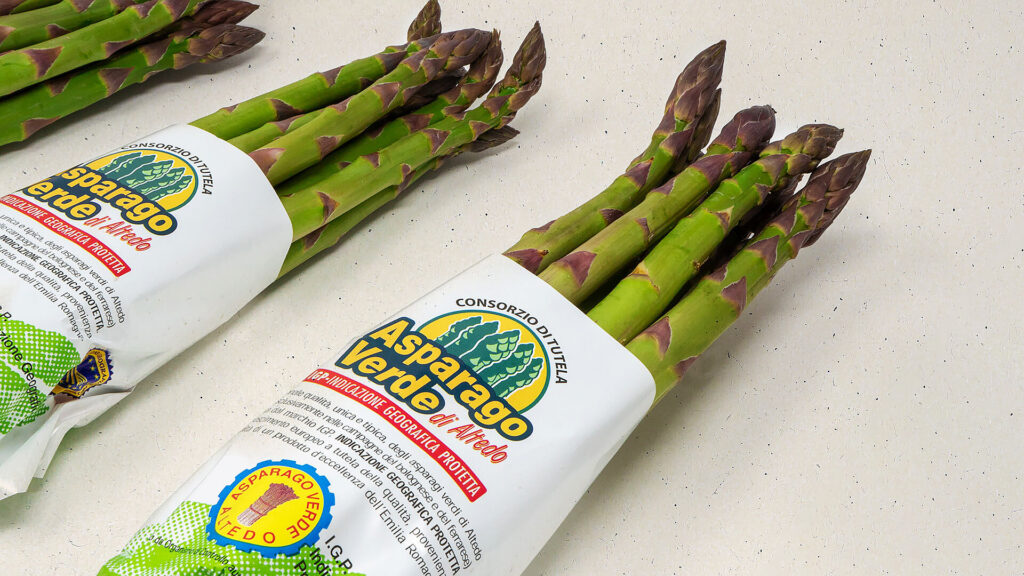
Boosting asparagus consumption in Italy is not proving easy. Data from the last 3-4 years shows that only 45% of Italian families eat asparagus at least once a year. The average consumption per consumer family is just 2.7 kg, a total restricted by the high cost of white and green asparagus, which is mainly sold in supermarkets. Unfortunately, asparagus has failed to capture the interest of Italy’s younger generation, who consider it difficult to cook. But a more positive figure for Italian asparagus involves its recognition under the European PDO and PGI quality seals: Italian asparagus has six such recognitions of excellence – a record in Europe! In white asparagus they are the Cimadolmo PGI, Badoere PGI, Cantello PGI, and the Bassano PDO, a consumer favourite, while in green asparagus there’s the Canino PGI and Altedo PGI.
Based in the north-eastern Porto, Pedro Martins Da Costa is first and foremost a winegrower. But his desire to try a different crop led him to produce asparagus. “It’s a healthy product that’s different to grapes and high in both taste and economic value,” he says. Thus Martins Da Costa came to France, south of Bordeaux, to learn how to grow asparagus before starting his own plantation in 2018.
Make the harvest last as long as possible
Today, he has 5 ha of asparagus on several fields on his farm. He uses suitable areas at the bottom of a slope with very fertile soil or at the top of a hill with sandier soil. It’s the first time this crop has been grown on this land and the asparagus, mainly green and cultivated in a very protected environment, carries the organic label. “I planted three Planasa varieties with different degrees of precocity in order to space out my production period,” says Martins Da Costa. Placosesp is an early, hardy and very productive variety, while Darzilla and Darvador are vigorous and hardy. Martins Da Costa uses mini tunnels to obtain greater precocity (+15 days) and also white plastic to limit the heating of the mound for white asparagus in order to prolong his harvests as long as possible.
« Very rewarding work »
Martins Da Costa sees a long asparagus season as key to providing his customers with extended supply. On average, his yields are 7-8 tons/ha but up to 11 tons depending on the age of the asparagus plantation and the field. His asparagus is sold under the “Espargos verdes” brand and direct to restaurants, organic stores and private homes. “Since Covid, we have developed direct sales with the pos- sibility of delivering a bunch of asparagus anywhere in the country one day after the order is placed,” says Martins Da Costa. The young producer is very active in promoting his asparagus on social media and to restaurant chefs. “It’s both well-rewarded and very gratifying work,” he says. His objective is to expand these direct sales by slightly increasing his asparagus area and by diversifying with other crops, particularly berries.
The Fleuron d’Anjou Cooperative organised its first Asparagus Technical Day in the Val-de-Loire region at the home of Guillaume Thomas, an asparagus producer since 2005. « This technical day was intended to present the asparagus development project for the cooperative and in particular the objective of reaching 1000 tons within 5 years », explains the organiser.
Being a major player in asparagus
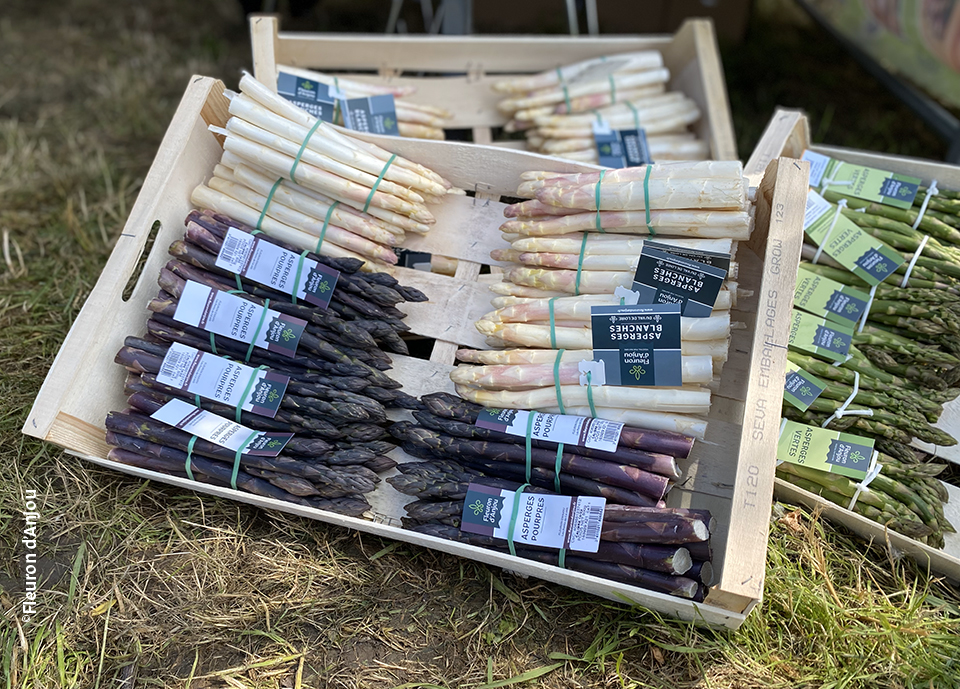
In fact, the Fleuron d’Anjou cooperative increases its asparagus production every year. In 2024, the cooperative’s producer members produce 700 tonnes of white, purple, green and purple asparagus, some of which is organically grown, on a total area of 200 hectares. The personalised support it provides for specific equipment and labels accentuates this increase in performance. To reinforce their desire to be a major player, Fleuron d’Anjou is part of the producers’ association that is actively working with IDfel Val de Loire to create the specifications that support the Protected Geographical Indication (PGI) Asperges du Val de Loire project. This identification will promote the know-how of producers, the specificities of asparagus grown in the Val de Loire region and will provide consumers with traceability on the origin and superior quality of their product. The Fleuron d’Anjou cooperative hopes to respond to the consumer trend that is now focused on a France origin.
Three themes and technical workshops
Agrivaloire @ Engels Machines demonstrated their new ‘EcoSpader’ ridger. This ingenious machine revolutionises the ridging process in order to better meet the requirements expected with regard to the quality of asparagus, in particular its rectilinear shape and the purity of its colour.
Europlastic has an answer to the question of precocity through the use of various plastic films. This theme is an important economic issue for farms. For several years now, Fleuron d’Anjou has been conducting joint trials with this company, which now allow them to deliver results on techniques that are proving to be effective.
Sylektis presented its ‘AsperCut’, a selective field harvesting robot which will eventually be able to provide solutions to the labour problem that asparagus producers face every year.
Self-taught farmer Chubak Orozaliev believes he was one of the first to grow asparagus in Kyrgyzstan. He says there is already demand for spears from restaurateurs in the Central Asian country, as well as growing interest from consumers as more people aim to eat healthily. The Aspa Farm director says the firm is trialling 3 different methods. It is growing asparagus on 20 ha in the Chui region, 70 km from the capital city of Bishkek, under a traditional approach (spring harvest) with seedlings from Atlas F1 seeds. It has also allocated about 2.2 ha in a greenhouse complex on the outskirts of Bishkek for the mother stem method (summer harvest, mainly using UC 157 F1) and is testing winter forcing (autumn-winter harvest) over 0.2 ha.
“I became acquainted with asparagus in the US and since about 2013, my partners and I have experimented in different places in Kyrgyzstan on small plots,” Orozaliev told Asparagus World. Production volumes are currently small, with no more than 10 tons estimated for 2024, but the firm, legally formed a year ago, hopes to find a partner to help it scale up for export. For now, it markets its spears via an intermediary in Bishkek and Almaty, Kyrgyzstan’s biggest city, he said.
Is there any interest in fresh white asparagus in Australia? In November, Tasmanian white asparagus grower Richard Weston was interviewed for a public radio program aired in German in Australia and says within 24 hours his company had 7,000 more followers on Facebook and 600 direct contacts from people in Australia wanting to buy its white gold. That response suggests there is indeed a lot of unmet demand in cities such as Sydney, Melbourne, Adelaide and Brisbane, “so we’re working on how to fill that market gap,” he told Asparagus World in March this year. “The demand is there – we’ve just got to produce the goods now.”
Fever for edible ivory sets in
The impetus for Weston’s interest in the delicacy was a conversation in 2012 with renowned local chef Luke Burgess, who had just come back from working in Copenhagen’s famed Noma restaurant and raved about the amazing white asparagus they had used. His curiosity sparked, Weston, already a supplier of vegetables to top restaurants in Tasmania, started his research and in 2013 went to Europe on a Nuffield Farming Scholarship to spend three months studying white asparagus production in the Netherlands (spending time with experts from Bayer and Teboza) and Germany and Spain. It was there that he tasted white asparagus for the first time and wondered why something so popular and so tasty remained little-known in Australia, sowing the seeds of a dream to one day grow premium fresh European varieties himself in his home state of Tasmania.
Early attempts fail due to heavy soil
Back in Australia, in about 2014, Weston and wife Belinda made a first attempt to grow white asparagus, with one hectare planted on a friend’s cherry farm in southern Tasmania. They planted about 35,000 asparagus plants grown from seeds imported from Europe. (Australia’s biosecurity rules prevented the import of crowns, Richard Weston said.) The plants grew beautifully in the Tasmanian climate but the heavy soil was not quite right, being high in magnesium and becoming very hard when wet, making harvesting difficult. “It took three years just to get that first crop and it had to be ploughed back in,” he said.
Sandy loam with good drainage found
Belinda Weston
The Westons then partnered with fellow farmers Tom Barham and Jenna Howlett, whose property in Brighton, just 100 m from their own farm and 35 km north of Tasmanian capital Hobart, has fertile sandy loam with good drainage – similar to what Weston had seen growing white asparagus in Europe – as well as a perfect microclimate. Thus, in 2018 they started afresh, planting 34,000 plants on 1.4 ha, and launching ‘Tasmanian White Asparagus’, dedicated to growing premium European varieties of white asparagus. “It was very hard work,” Richard remembers.
First commercial harvest in 2022
They let the plants grow for four years then started their first commercial harvest on September 1, 2022, continuing for about four weeks – the company was being careful not to over-harvest – and obtaining 2.5 tons of white asparagus in what was an “incredibly wet” year. In contrast, winter of 2023 was “incredibly dry” in Tasmania and spring temperatures were “exceptionally warm,” thus making drip irrigation necessary. The warmer soil temperatures led to some blushing of the asparagus tips, “which doesn’t affect the amazing taste of white asparagus, it’s just a crowning of the king of spring,” Weston said. Three back-to-back overnight frosts kept the harvest rhythm slow at the start of the 2023 season but momentum eventually picked up and this second commercial harvest – which ran for about eight weeks, from August 31 to about October 26 – provided 7 tons. “And hopefully this year we’ll go higher again,” he said. “But it won’t be till we have five years of data that we will see how our quantities will be.” As the crop matures, the firm hopes its yield will reach around 10 tons/ha, using as a reference top growers in Europe who average yields of 6-14 tons/ha.
About 70% of crop is AAA grade
Tasmanian White Asparagus
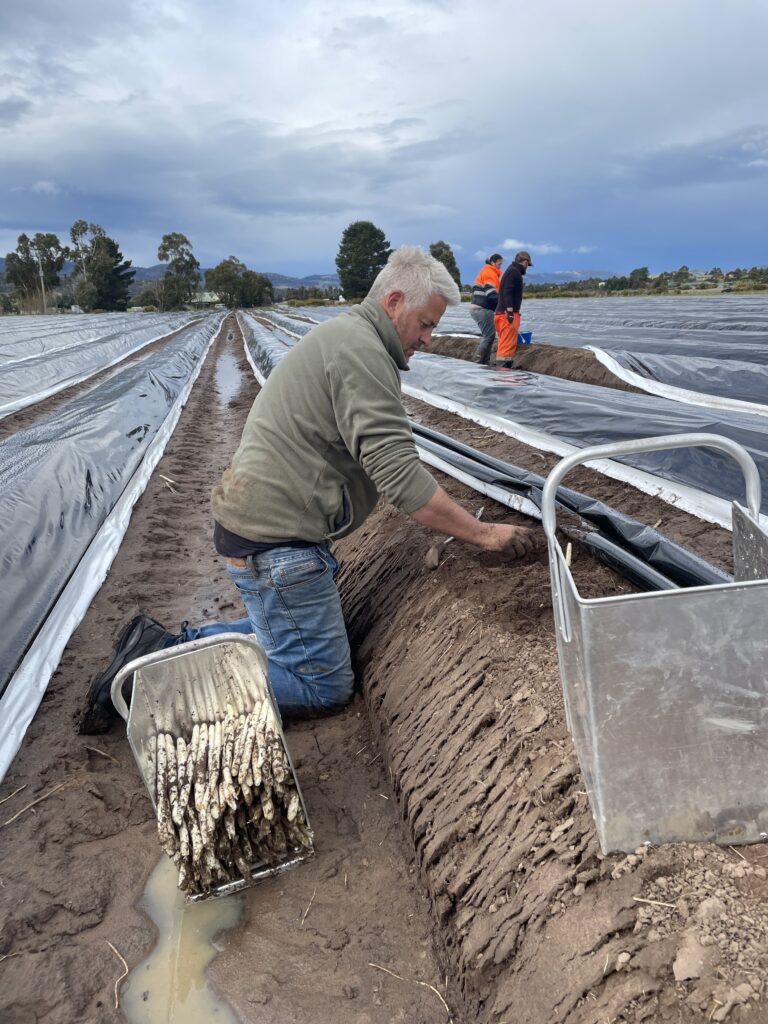
For last year’s harvest, about 12 people, mainly backpackers (3 Nepalis, 2 Italians and 7 Brazilians), were employed for field work and another six in the packing shed, with similar numbers anticipated this year. The farm hands are recruited through labour hire companies and are due a minimum hourly wage (pre-tax) of AU$27.45 (~€16.55). Harvesting starts about 7am: “We bend down and gently dig to expose each spear so we can clearly see where to cut and, using a special curved harvesting tool, cautiously make a snick to remove each spear, one by one and row by row,” Weston says. The spears are picked into crates which, when full, are taken to a cool store on Weston’s farm where they are washed then placed in 2.5°C water overnight to cool them quickly. The next day they are taken out of the ice slurry and graded and sorted in a packing shed on the Westons’ farm, where they are generally stored until orders come in, which usually means dispatch to Hobart airport. The spears are graded into three categories: AAA premium grade (stem diameter of 20+ mm), AA (16-20 mm) and A (10-16 mm). Nearly 70% of the company’s commercial crop has been AAA grade. At time of speaking in mid-March of 2024, Weston said they were set to harvest a total of 54,000 plants across 2 ha this year (including about 20,000 plants of a new variety it is trying that were about to go in the ground) and envisaged a harvest of 14 tons, “but possibly as high as 18.”
Asparagus rust about the only disease issue
The company pretty much follows European planting practices, Weston says, with 18 cm spacings between plants, grown in mounded beds, and underground drippers 1.8 m apart. For the first year of commercial production, the plastic covers over the rows were black facing up but with the local climate warmer than Europe’s main growing regions, from the second year the company has used the white face up. Australia is lucky not to have a lot of the diseases or pests seen in Europe. The biggest issue has been asparagus rust, he said.
Trial and error, particularly in packaging
Packing and logistics are areas in which the company seeks to improve, particularly since many of its spears are destined for high end eateries and, in accord with their premium price, must arrive in perfect condition. To reach mainland Australia they are air freighted in 1 kg packs in 5 kg boxes and there was a lot of breakage in the first year, mainly upon loading and unloading as air cargo. Sturdier packaging is now being used and the airport cargo handlers will aim to limit how many boxes are stacked on each other. The company is still experimenting with the best material for its 1 kg packs, having tried options including paper, bubble wrap and vacuum packs, and is currently using biodegradable plastic vacuum seals.
Investigating ways to reuse waste products
When it comes to the spears themselves, “wastage is too high at the moment,” Weston said. Because the soils are quite cold in Tasmania in winter, the plants become quite brittle and require delicate handling. Because each year the harvest workers change, the new ones must be trained in how to avoid breakage. “We’re getting better every season at finding uses for the offcuts,” he said. With all the spears cut to a uniform length of 22cm, the trimmings are sold as soup-grade in 5 kg vacuum packs.
European white asparagus cultivars
Belinda Weston
The company will be using five different varieties in a bid to widen its supply window. It says it has gone to great lengths to choose genotypes that suit Tasmanian conditions and will deliver the desired flavour and spear shape while also growing to a good size. It prides itself on the varieties it has invested in and as a result, prefers not to reveal details of them except to add that they are premium European white asparagus cultivars. Weston says he was fortunate to be able to spend time in the Netherlands with some of the best growers in the world and learn about the great care they’ve taken to breed their special varieties. He will say, however, that the seeds are from Bayer and Bejo and he expects to get 10-14 years of production from them.
How Aussie chefs are using Tasmanian white asparagus
Tasmanian White Asparagus
In September and October last year, Sydney’s celebrated Quay restaurant was pairing Tasmanian white asparagus with a Queensland mud crab custard; the Chophouse, also in Sydney, served it with pancetta and cured yolk; while in Victoria, Paringa Estate offered the delicacy with butter poached King Island lobster, bottarga and yellow tomato vinaigrette. These are just examples of high-end eateries around Australia eager to work with the new product, which is seen as very niche, Weston said. “It comes in at the end of winter before the spring vegetables kick off so it’s a really good window when chefs are chasing great products to fill that seasonal gap. The feedback we’ve had from some of Australia’s best chefs is that the quality is as good as they’ve tasted in Europe. They’ve been very happy and very supportive. We really are starting to kick some good goals here.” Top chefs in Japan have also been eyeing off the vegetable, as well as buyers in Hong Kong and Malaysia, but for now, Weston is focusing on filling local demand. “Our main job in Australia is to educate people to cook white asparagus as traditionally they’ve used green,” he said.
Greece’s total cultivated area in 2021 was 1,500 ha, which is just 2% of its highwater mark of 73,330 ha in 1997. “Our farms are small,” said Gkouderis, “the average farm is 1 ha.” The four main growing regions are Eastern Macedonia and Thrace (750 ha), Central Macedonia (600 ha), Western Greece (140 ha) and the Peloponnese (50 ha), with white asparagus production mainly occurring in the first three and green in the latter. Cultivation has been steadily dwindling in Eastern Macedonia and, to a greater degree, in Thrace, due to the difficulty of the cultivation, a worker shortage, the high cost of labour and of establishing cultivation and because other crops, such as kiwifruit, are better suited to these areas. In contrast, however, the asparagus acreage has been increasing in Central Macedonia in recent years because wholesalers have provided economic incentives to establish asparagus cultivation and also because it’s an area of extensive fruit production so the growers don’t have many other profitable choices. “In Aridaia, my area, the asparagus area has been increasing by 30 ha a year,” he said.
Exports go mainly to Germany, Netherlands
D. Gkouderis
White asparagus, which accounts for 95% of Greek production, is harvested from late February to late April/early May in Greece, while green asparagus (the remaining 5%) is picked from early March to early June. The average yield for white asparagus in Greece is 10 tons/ha, while for green it is 7 tons/ha. Sixty percent of the crop is marketed by wholesalers and the rest by producer groups, Gkouderis said. In March, 2023, prices being paid by wholesalers to farmers ranged from €3.50/kg in some areas to €5.50/kg in other areas, with the lower prices applying to areas that had just started harvesting and where the quality was not yet stable. In 2022, Greece exported 5,746 tons of asparagus, mainly to Germany (90%) and the Netherlands (10%). “We’re not a very big market so we don’t import asparagus,” he said.
Special features of asparagus cultivation in Greece
D. Gkouderis
Depending on the variety, it’s common to plant between 13,000 and 15,000 crowns per hectare in Greece, with a distance between rows of 2.2-2.5 metres. The sowing depth used to be 25 cm but now growers sow at 18-20 cm in order to achieve more earliness. Eighty percent of the farms are drip-irrigated and many fertigation applications are made. Black and white plastic (film) is commonly used to cover the rows, with 60-70% of growers using mini tunnels in addition to the plastic covers. For extra earliness, some growers use an additional layer of plastic above their tunnels.
Labour shortage the biggest problem
There are no mechanical harvesting methods yet, so manual labour is still needed and is “a great cost for the growers.” The salary is €35 for 8 hours of work, which includes a 1 hour break. Social security adds an extra 10% in costs but in most cases doesn’t apply “because many of the workers are working illegally.” The seasonal labour comes from neighbouring countries, mostly Albania, with only a small percentage of the workers being Greek. Gkouderis said the worsening shortage of labour is the biggest problem for Greek growers.
Asparagus Pests and Diseases
When it comes to foliar diseases, the main ones in Greece are Stemphylium botryosum, Puccinia asparagi and Botrytis cinerea, while for root systems it’s Fusarium spp. and Helicobasidium purpureum (syn. Rhizoctonia violacea). The principal pests are Zeyzera pyrina, Parahypopta caestrum, Ophiomyia simplex, Lygus spp., Thrips spp., and Mites.
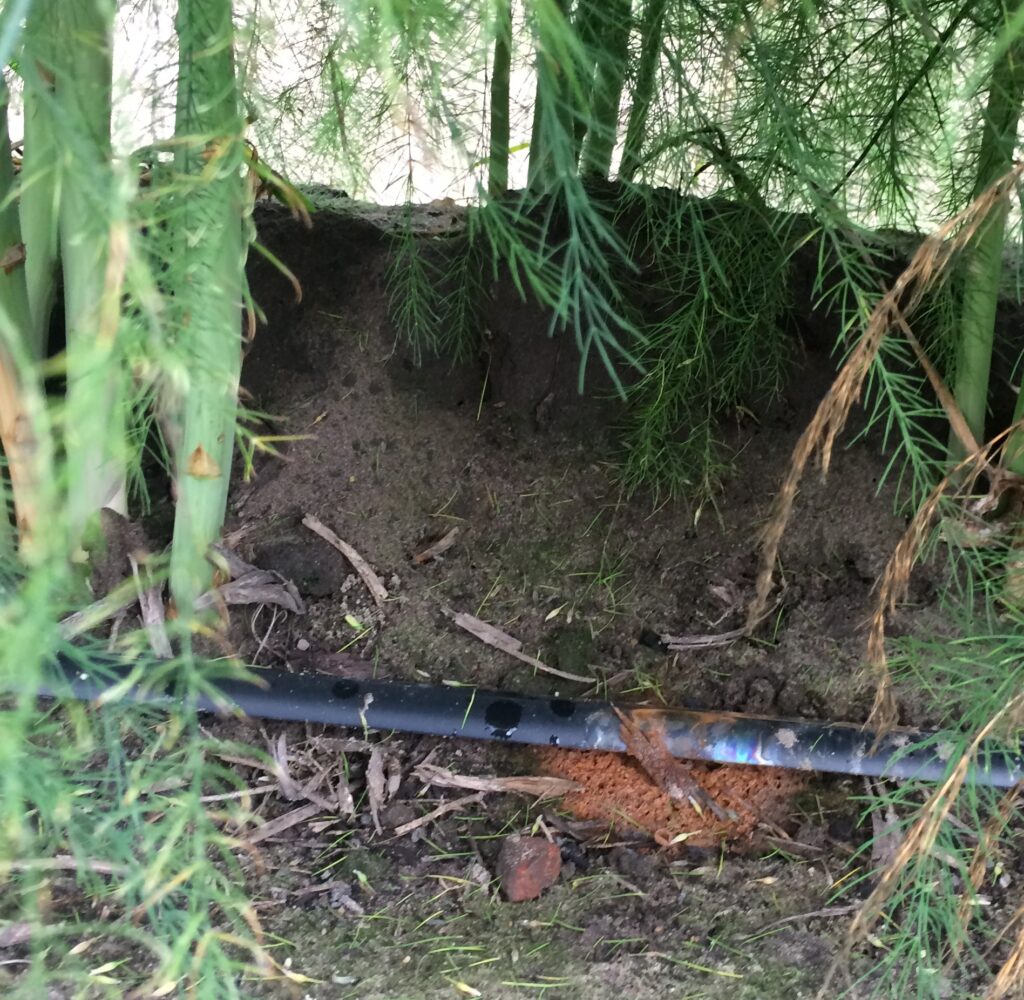
Iron is dissolved in water in the form of ferrous oxide and is transformed into ferric oxide during pumping, an oxide that is suspended in the water in particles of 0.5 microns and more, the build-up of which will clog drippers.
When ferrous oxide levels get too high
Iron bacteria grow in an anaerobic environment. In contact with oxygen, the oxidation of iron and the death of bacteria cause the appearance of an orange gelatinous mass that may clog drippers. This contamination of iron-rich groundwater is difficult to precisely predict. However, above an iron (ferrous oxide) level of more than 1.5 ppm (1.5 g/l), an iron removal plant should be installed.
Sand filters
Various sand filter methods can be used. The most effective is the injection of air into an oxidation tower and then filtration of the ferric oxide particles either via a sieve or disc filters or, better still, sand filters with automatic backwash. Sand filters are preferable for long-term drip installations. It should be noted that their use significantly raises the pH of the water, something that needs to be taken into account for ferti-irrigation. Successive waterfalls and settling in a basin before pumping and filtration are also a possible solution. Injection of caustic soda (aqueous solution of sodium hydroxide) is also possible. In short, In the presence of iron, the operation of drip irrigation requires increased vigilance and high-performance equipment to ensure the efficiency and sustainability of the installation.
Michigan is the largest producer of asparagus in the United States, providing spears both for processing and the fresh market. In spring, asparagus is direct seeded into a nursery and grown for one year. The resulting crowns are then transplanted into production fields and a limited number of harvests take place until the third year of growth. Michigan’s asparagus is harvested from May through June after which the fern develops. Fusarium crown and root rot (FCRR) disease of asparagus causes wilt, fern chlorosis, vascular discoloration, root rot, and crown death significantly reducing yields. Unfortunately, fusarium is a persistent and pervasive soil plant pathogen in Michigan’s asparagus growing region, making management difficult. Cultural and chemical control options are limited.
Michigan’s growers have been treating crowns
AW
Fusarium spp. prefer poorly drained soils and humid climates. The pathogen may be disseminated by wind, rain splash, and soil movement and is resistant to harsh conditions, surviving on plant residues and in the soil for 20 years or more. Limiting disease caused by Fusarium spp. includes removing asparagus crop residues from fields and cleaning machinery between fields, managing weed hosts, minimising plant stress, and practising crop rotation. Treating crowns with fungicides before planting and fumigating crown nurseries and production fields are methods that have been used by Michigan growers in recent years.
New active ingredients to better manage purple spot
Purple spot on asparagus spears and ferns is also a significant problem for asparagus producers in Michigan. Purplish lesions may affect 60-90 % of the spears, rendering them unmarketable. The emergence of this disease occurred with the adoption of a no-till cultural system. Due to the sporadic nature of disease occurrence, fungicide cost, and lack of control with some fungicide spray programs, it was desirable to apply fungicides according to a disease forecaster. TOMCAST, a disease forecasting system derived from FAST, (forecast system for Alternaria solani on tomato), appeared promising in managing purple spot disease on asparagus. The fungicides chlorothalonil and mancozeb are commonly used to protect the fern from purple spot but products with new active ingredients are needed to maximise control.
Newer fungicides and disease forecaster TOMCAST
A greenhouse evaluation of biorationals and a fungicide plus a field evaluation of fungicides for control of Fusarium crown and root rot on seedlings were conducted by B.R. Harlan and M.K. Hausbeck from the Department of Plant, Soil and Microbial Sciences of the Michigan State University. An evaluation of fungicides for control of purple spot on the fern was also conducted. For the greenhouse evaluation, disease development was moderate with the untreated inoculated plants. Industry standard fludioxonil (Cannonball WP) was the only treatment that resulted in statistically healthier crowns compared to the untreated inoculated control. The field evaluation of fungicide for control of Fusarium root rot on seedlings is shown in Table 2, and the evaluation of fungicides for control of purple spot on the fern is shown in Table 3. It indicates that fungicides can limit disease caused by soilborne and foliar pathogens. The fungicides that were of primary interest include fludioxonil (Cannonball WP) applied as a drench to seedlings for control of Fusarium crown and root rot or as a premix of pydiflumetofen + fludioxonil (Miravis Prime SC) for purple spot foliar disease. Currently, these fungicides are not registered for use on asparagus seedlings or fern in the United States but could fill an important void in disease management. Fungicides containing chlorothalonil (Bravo WeatherStik SC) or mancozeb (Roper), “would be good candidates for use in an overall program that includes pydiflumetofen + fludioxonil (Miravis Prime SC),” the researchers said, later adding that they “can be used in conjunction with the disease forecaster TOMCAST to provide long lasting protection.” They also said that, “The asparagus crown nursery offers a unique opportunity to protect the developing crown from disease to ensure that plant propagules used to establish production fields are as healthy as possible.”
Suppression of Fusarium with nano micronutrients
Past work with chloride salts has shown that fertility is very important in delaying the effects of decline due to FCRR. A strong positive association was noted between chloride applications, micronutrient (Cu and Mn) uptake and disease suppression. In Quebec, scientists concluded that Fusarium abundance was negatively associated with Cu and that declining fields had reduced levels of Mn. More recently, B and Mn deficiency has been associated with asparagus decline. Applying micronutrients in nanoscale may offer a novel approach to deliver these elements to asparagus roots. The oxide forms are relatively non-toxic when compared to the ionic salts. The large surface areas allow for enhanced dissolution and their extremely small size, these particles can enter and move within plant tissues for intra-plant transport. Split root pot culture was used in the greenhouse assays to test the efficacy of nanoscale micronutrients such as B (500 nm), CuO (40 nm), MnO (30 nm), MoO (100 nm), and ZnO (10-30 nm). Field studies were also conducted and research plots were established in sites that had previously been planted to asparagus.
Cu and Mn associated with plant health
The first preliminary greenhouse study conducted by W.H. Elmer, N. Zuverza-Mena and J.C. White from the Connecticut Agricultural Experiment Station screened B, CuO, MnO, MoO, and ZnO in split root pots and assessed the disease severity (% root lesions) on the exposed and non-exposed sides. Inoculation with F. oxysporum f. sp. asparagi resulted in root lesions over 58-60% of the root system, but when plants were treated with CuO and MnO, the exposed and non-exposed root sides had significant reductions. Nano-Cu reduced disease severity from an average 59% to 23% on the exposed side and from 59% to 30% on the non-exposed roots, demonstrating a systemic response, the researchers said. Similarly, nano MnO reduced disease severity from 59% to 16% on the exposed side and from 59% to 28% on the non-exposed roots. Molybdenum oxide reduced disease on the exposed side, but not on the non-exposed side, while nano Zn was ineffective on the exposed, but systemically reduced disease on the non-exposed side. B did not affect the disease severity. These findings agree with reports in the literature that Cu and Mn were positively associated with plant health.
One crown soak to increased yield
Although most nano micronutrients improved growth and suppressed disease, nano CuO and nano MnO were superior in the control split root studies. Nano CuO and nano MnO were not systemic in the plant but were retained in the exposed treated root only. However, both nano CuO and nano MnO promoted a systemic defence to infection and colonisation of FOA in non-exposed roots. Field studies were also conducted by the same scientists in Hamden and Griswold. Yields from 2020 and 2021 were combined. All of the yield variables showed the same trend so only marketable spear yield was presented. Yields in untreated plots in Hamden were the lowest, but soaking crowns with B, CuO. MnO, MoO or ZnO in 2018 led to 1.5-, 1.8-, 1.9-, 2.0-, or 1.3-fold respective increases in marketable yield. Responses were not as striking in Griswold, but notable differences were still evident. Increases of 35%, 32%, 23%, and 30% in the trimmed spear weights were observed for B, CuO, MnO and ZnO respectively. “The observations that a single crown soak treatment at planting could lead to increases in yield three years later is astonishing,” the researchers said. While fumigation and fungicide soaks/drenches have resulted in improved health during the first year, the suppression did not last and/or was cost prohibitive. In contrast, nano forms of micronutrients were effective in suppressing disease and increasing yield after three years.
Effect of flooding period on asparagus growth
Asparagus has been promoted as a paddy field conversion crop in Japan. However, converted paddy fields are prone to excessive soil moisture due to their low permeability and high-water retention. In previous research it has been reported that asparagus grown in such conditions had rotting underground stems and roots, resulting in reduced yields. Furthermore, in recent years, torrential rains have caused flooding of asparagus fields in Japan, affecting the growth and yield of asparagus. However, mitigation measures for flooded fields have not yet been established. Poor field drainage contributes to the development of soil diseases, such as wilt and blight. Fusarium oxysporum f. sp. asparagi, for example, is widely distributed in production fields and causes extensive damage to asparagus production. Although F. oxysporum has such a serious impact on asparagus cultivation, there’s been scarce research into its relationship with flooding. Therefore, a study was conducted by T. Sonoda from Rakuno Gakuen University, Japan to determine the effects of different periods of flooding and F. oxysporum f. sp. asparagi infection on asparagus growth in order to contribute to the improvement of asparagus cultivation methods in former rice paddies.
How flooding length affects growth
The first experiment studied the effect of flooding-period length on the growth of asparagus cultivars. The main asparagus cultivars used in Japan, ‘UC157’ and ‘Gijnlim’, were used as test cultivars. One month after sowing, their seeds were transplanted to PVC tubes filled with horticultural medium (photo) and grown in a glasshouse. Ten days after transplanting, when the roots had grown 20 cm, water was poured to the ground level to flood the asparagus seedlings. Flooding periods were 0, 1, 5, and 10 days. After the applicable flooding period, the plots were drained of excess water and thereafter irrigated in the same way as the control plots. Seedlings were then removed and their maximum grass height, number of stems, maximum root length, degree of root damage, aboveground dry matter weight and belowground dry matter weight were assessed. Root damage was determined by using a five-level index to identify root necrosis and rotting.
Root lengths tended to be shorter with increasing durations of flooding, but the extent of shortening did not vary between cultivars. The degree of root damage increased with increasing periods of flooding. Differences in grass height and above- and below-ground dry matter weight were observed between the cultivars, and no differences were observed between them during the different flooding periods. “No differences in stem and root number were observed between different periods of flooding or between cultivars. There was no interaction between the duration of flooding and cultivar type for any of the growth parameters,” the authors said.
The importance of drainage
Gnis – Soc
Prolonged flooding seems to inhibit root growth. But even if a field was flooded, the impact on asparagus would be minimal if rapid drainage could be achieved. “These findings suggest that when asparagus is grown in paddy-conversion fields, it is important to construct ditch drain or underdrain in the field to quickly drain excess soil moisture and avoid prolonged flooding of the root zone,” the researchers wrote. They also said that If these measures are not sufficient, “it is necessary to implement cultivation with raised rows to ensure drainage and sufficient rooting area and to use water-tolerant cultivars.”
C. Befve
The second experiment studied the effect of infection with F. oxysporum f. sp. asparagi and flooding-period length on asparagus growth. Growing conditions and methods for this experiment were performed as described in the first experiment. F. oxysporum f. sp. asparagi was used for inoculation, which was isolated from asparagus production fields in Japan. Root damage observed on plants inoculated and flooded for 5 and 10 days was higher than plants inoculated and not flooded. Further, statistical test results indicate that there is an interaction between presence of fungus and duration of flooding. In F. oxysporum-inoculated areas, root length was significantly longer in the 0-day flooded area than in the 5- and 10-day flooded areas, and the degree of root damage increased as the flooding-period length increased. In the absence of F. oxysporum, there was no difference in root damage depending on the duration of flooding, while in the presence of F. oxysporum, the longer the duration of flooding, the greater the root damage. The results of this study suggest that disease development caused by F. oxysporum is accelerated by prolonged flooding. “Adding drainage measures to disease-resistant cultivars would reduce the impact of flooding and F. oxysporum f. sp. asparagi on asparagus growth,” the author said.
Sources:
Advancing control strategies for soil-borne and foliar pathogens in Michigan asparagus
B.R. Harlan and M.K. Hausbecka / Dept. of Plant, Soil and Microbial Sciences, Michigan State University, East Lansing, MI, USA.
Suppression of Fusarium crown and root rot of asparagus with nano micronutrients
W.H. Elmer1,a, N. Zuverza-Mena2 and J.C. White3 / 1The Department of Plant Pathology and Ecology, The Connecticut Agricultural Experiment Station, 123 Huntington St New Haven CT, 06511, USA; 2The Department of Analytical Chemistry, The Connecticut Agricultural Experiment Station, 123 Huntington St New Haven CT, 06511, USA; 3The Connecticut Agricultural Experiment Station, 123 Huntington St New Haven CT, 06511, USA.
Effect of flooding period and infection with Fusarium oxysporum f. sp. asparagi on asparagus growth
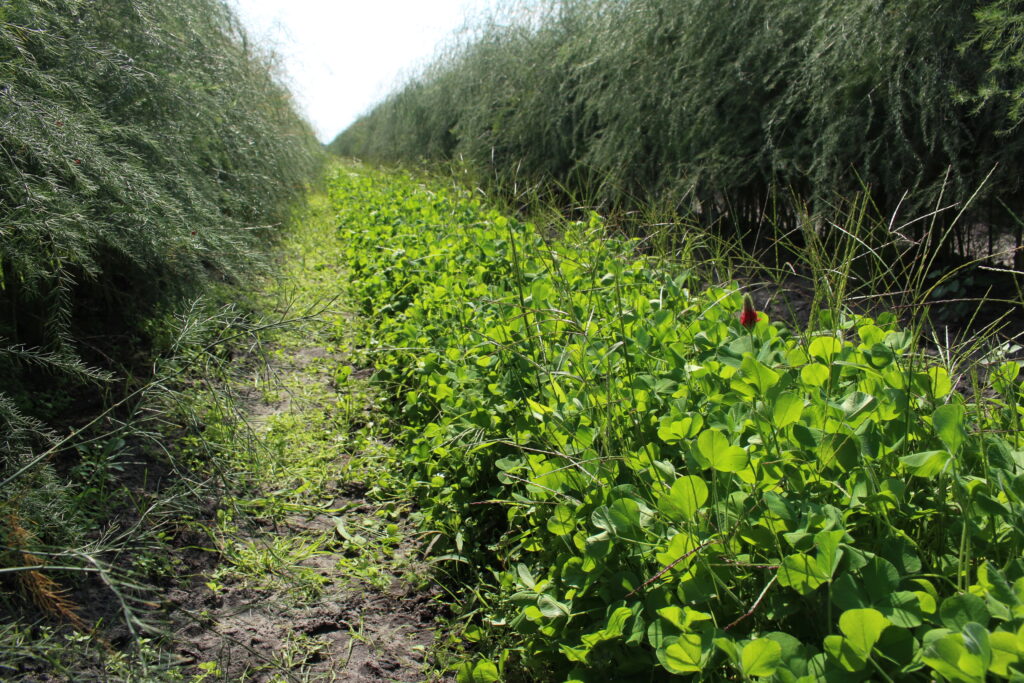
Growing vegetation coverage between the rows in asparagus plantations is a recent practice. It started with green asparagus crops to facilitate the passage of harvesting machinery and to limit soil compaction. The technique has also shown other advantages, too, such as the wind protection it offers for the asparagus to ensure a better-quality harvest and straighter spears. The many agronomic, thermal, ecological and environmental benefits afforded by vegetation coverage has now led to its use with white asparagus in several European production areas.
Benefiting from a “windbreak effect”
C. Befve
From an agronomical perspective, vegetation cover improves soil structure through the roots’ development of species in different soil horizons, thus enhancing the soil’s water capacity. The cover also protects against soil erosion. What’s more, growing species with taproots captures mineral elements such as nitrates in the deepest layers of the soil and limits leaching, while legumes bring nitrogen to the soil. Pulverising the foliage and root volume makes it possible to increase the soil’s humus content. The addition of organic matter significantly improves the soil’s microbial activity, thereby increasing the availability of nutrients. When a vegetation cover is maintained on a plot throughout the life of an asparagus plantation, the percentage of organic matter in the inter-rows is higher, rendering the plot more favourable for replanting, especially in asparagus groves with large spacing (more than 3.50m). It is worth considering applying vegetation coverage permanently in order to make the most of its thermal benefits throughout the crop cycle. In spring, when the vegetation cover develops above the mounds prior to harvest, this offers a “windbreak effect” that makes the plastics less likely to fly away or be removed. It also assists by warming the mound more quickly as it is less exposed to the wind, often from the north. An additional degree above 12°C at the crown can result in an additional 30 kg/ha harvested per day at the beginning of the asparagus season. Once it has been cut down in the first days of harvest, the vegetation cover can provide the soil with greater bearing capacity for the passage of harvesting machinery, especially during +rainy periods.
Planted, controlled and maintained
C. Befve
At the end of harvest, new plants develop, generating favourable conditions for the presence of auxiliary fauna (hoverflies, ground beetles, lacewings, ladybirds, etc.). They also limit the development of weeds in the inter-row. This is particularly useful when seeking to reduce the use of herbicides or for organic cultivation. After pulverising, the vegetation can be placed onto the planting row to provide a natural mulch that limits grass growth on the row. In autumn and winter, the cover can mitigate the effect of heavy rains. However, there can also be certain drawbacks to using soil cover, such as reduced aeration in the row and increased risk of disease due to higher humidity. Furthermore, in some situations, it can encourage the development of rodent populations.
The vegetation cover must be planted, controlled and maintained. It can be sown at the end of the harvest and benefit from the rains. At a later point, its installation will be easier if the plot is irrigated using a sprinkler system. It is recommended to combine different plant families, including grasses: rye, oats, and ryegrass (important root hair); cruciferous plants: fodder radish, Chinese radish, and white mustard (taproot); and legumes: Alexandria clover and fodder lentil (nitrogen fixation). The required duration of the vegetation cover (i.e., whether it is permanent or seasonal) also determines the choice of species. In this sense, it is necessary to take into account the plants’ sensitivity to frost. Oats, Alexandrian clover and phacelia are also sensitive to frost, whereas ryegrass, rye, lentil and radish are not very sensitive. Between 12 and 15kg/ha should be used depending on the planting distance and the width of the inter-row.
Improving plastics integration
Maintaining a permanent vegetation cover requires certain adaptations, and even material investment. Long planting distances allow for grassing of the row all year round while keeping enough soil available for the mounding. Some machinery manufacturers (e.g., Engels) have also adapted ridgers to maintain the grass cover of the row (see Equipment section). Even though grassing of the row requires repeated passages by a tractor and pulveriser to control the cover’s development (every 8-10 days with sprinkler irrigation or every 3 weeks with drip feed), fuel consumption is much lower than with tillage tools. Lastly, the “greening” of asparagus rows improves the integration of asparagus plots into the landscape and greatly reduces the “visual pollution” associated with asparagus that locals complain about in certain areas.
Manage consent
To provide the best experiences, we use technologies such as cookies to store and/or access device information. Consenting to these technologies will allow us to process data such as browsing behavior or unique IDs on this site. Failure to consent or withdrawing consent may adversely affect certain features and functions.
Functional
Always active
Technical access or storage is strictly necessary for the legitimate interest purpose of enabling the use of a specific service explicitly requested by the subscriber or user, or for the sole purpose of carrying out the transmission of a communication over an electronic communications network.
Preferences
Technical access or storage is necessary for the legitimate interest purpose of storing preferences that are not requested by the subscriber or Internet user.
Statistics
Technical storage or access that is used exclusively for statistical purposes.Technical storage or access that is used exclusively for anonymous statistical purposes. Absent a subpoena, voluntary compliance from your internet service provider, or additional records from a third party, information stored or retrieved for this sole purpose generally cannot be used to identify you.
Marketing
Technical access or storage is necessary to create user profiles in order to send advertisements, or to track the user on a website or across websites with similar marketing purposes.