The initial establishment of an asparagus plantation deserves special attention because its later technical and economic success depends upon it. And this is particularly the case when asparagus is being replanted in a field where it has previously been grown. The development of rotary spaders (Farmax and Imants), however, has provided a way to facilitate the establishment of an asparagus crop. Preparing the soil to a depth of up to 1.1 m allows the creation of a homogeneous zone which favours the plant’s growth. The addition of soil conditioners and fertilisers makes it possible to harness the “soilless cultivation – in the soil” approach developed by Christian Befve&Co. This involves taking the following steps before planting the crop.
C. Befve
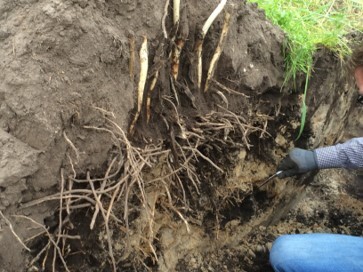
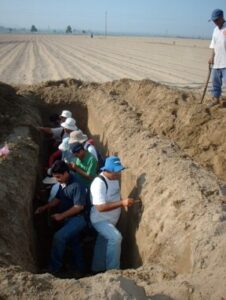
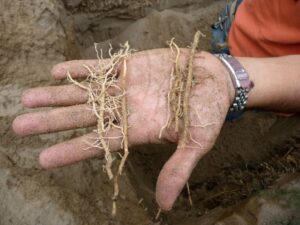
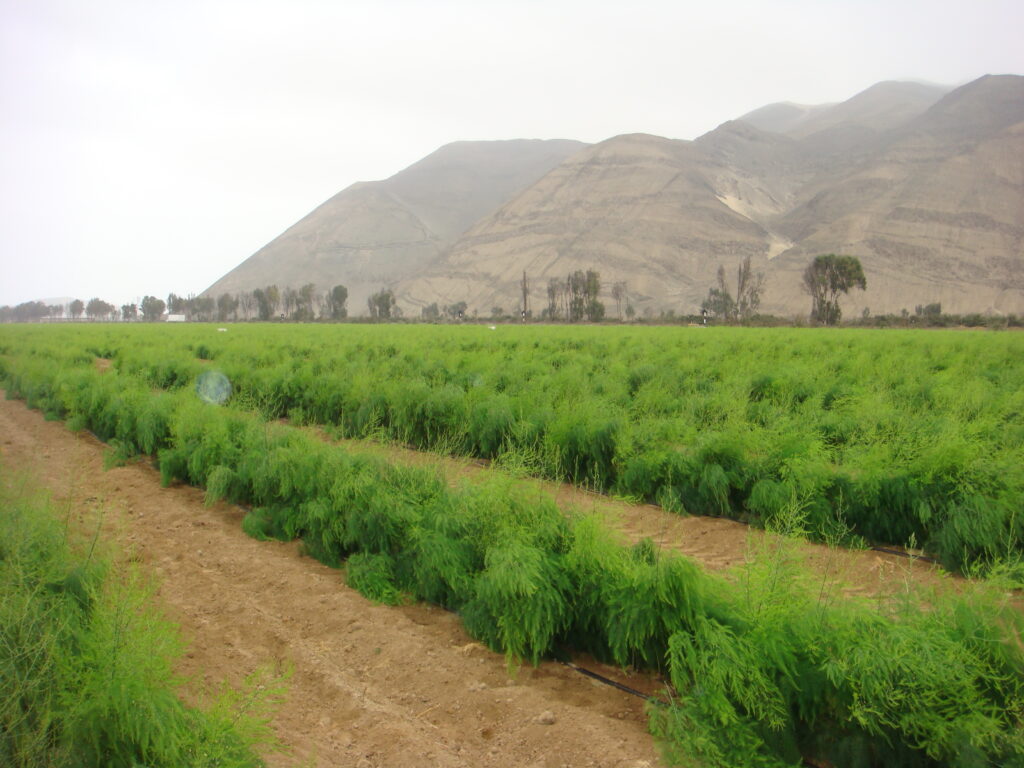
1. A soil study starting with a physical and chemical analysis of the soil structure at two levels: the surface layer (to a depth of 30 cm) and the subsoil (from a depth of 50 cm). (See image 1.) A visual soil evaluation via the “profil cultural” method is necessary. The purpose of this profile is to determine if there are indications of life in the soil, such as the roots of previous crops. Their depth gives indications of possible areas of compaction, ground water level, differences in soil structures (sand, clay, gravel, etc.) -photo 2- The depth at which the deepest roots are located will determine the depth of the subsequent tillage.
C. Befve
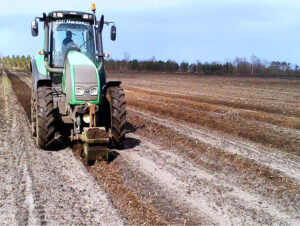
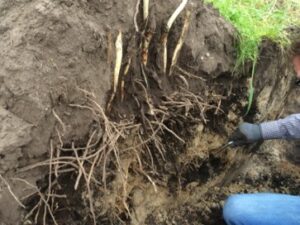
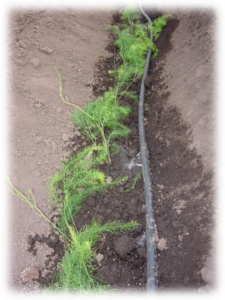
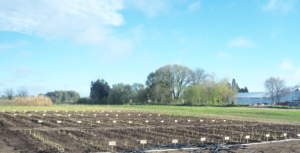
2. A significant addition of organic matter – from 80-150 tons/hectare depending on the nature of the soil improver – improves the structure and fertility of the soil. Organic matter from local sources is recommended. Depending on what is available nearby, manure (from cows, horses, sheep or poultry), grape pomace or vegetable waste (rice husks, crushed palms) may be used. The application must be concentrated on the planting row as the rotary spader passes over it in order to provide the best possible conditions for the plant to grow. (See images 3 and 4.) The addition of microorganisms (e.g. Bacillus and Trichoderma) improves soil health and limits growth of pathogenic fungi (e.g. Fusarium sp., Rhizoctonia).
C. Befve
3. Tillage creates a favourable area for root development by creating a larger volume of soil than would otherwise be available. This can be achieved with hand tools, as in Madagascar (image 5), or via use of tillage machinery (images 6 and 7). In either case, the roots are able to extend abundantly throughout the area that has been tilled.
C. Befve
4. Observation of the roots in both areas, under tillage as well as the no-till soil, clearly shows the benefits of deep tillage (namely use of a rotary spader). In the tilled soil, the roots are numerous, white with large fibrous rootlets (left). In the no-till area, the roots are brown, soil fungus is present and there are only a few rootlets (right).
5. Tillage provides long-term benefits for an asparagus farm. In this comparative table based on the average yield of 14 asparagus plantations in 5 different countries, it can be seen that soil prepared with a rotary spader delivers higher yields than no-till soil from the very first harvest and the maximum potential continues to increase each year for the first six years. In contrast, without use of a rotary spader, the yield is lower and potential peaks in the 5th year. Over the years, the production potential is always greater with the spader and there is greater longevity (+2 years). In total, over the lifespan of the asparagus farm, this soil preparation technique delivers a 50% higher yield than no-till.
6. The increase in the volume of loose, healthy and fertile soil is the key to this greater yield thanks to its promotion of root development. Observations 4 months after planting indicate that the root systems in a soil tilled by a rotary spader have 30% more roots per plant, with a depth of establishment twice as great, and a vertical orientation. This establishment slows the usual rise of the root system level to 0.5 cm per year instead of 3 cm, and thus keeps it to just 5 cm after 10 years instead of 30 cm. As a result, the crop is productive for longer.
Argentina’s current population of about 46 million people is more than 4 million above what it was in 2012, when the country’s annual asparagus crop surpassed the 10,000 ton mark for the first time, with a total of 10,500 tons. But unlike its population, Argentina’s asparagus production has hovered at much the same level ever since. The result for 2022 was 10,605 tons, ranking Argentina 15th among the world’s biggest asparagus producers. (Faostat) Meanwhile, the country’s levels of fresh asparagus imports have fluctuated, standing at 23.5 tons in 2012 then 39 tons a decade later, with a high point of 81.3 tons in 2018. (ITC Trade Map) And according to a media report in 2021, annual consumption of asparagus in Argentina was about 300 g per capita and trending downwards. As for exports, from 674 tons in 2005 (of which 37% went to Spain, 35% to the US and 9% to Italy), the total dwindled to zero in 2018 (ITC Trade Map), when Argentina nosedived into an economic crisis from which it has never fully recovered.
Could asparagus help Argentina diversify its crops?
Asparagus is currently enjoying a global surge in consumer popularity on the back of its nutritional benefits, gourmet status and versatility as a vegetable. Within Argentina, where it is currently cultivated in eight provinces, and in other Latin American countries, surveys similarly show a marked consumer preference for this species among non-traditional crops. With Argentina seeking to diversify its perennial crop production, which is currently highly focused on extensive crops, there is interest there in considering if asparagus would be a suitable alternative crop. A study is thus underway in the Province of Buenos Aires – where asparagus has been cultivated since 1912 – that seeks to identify which specific asparagus cultivars hold the most promise in terms of commercial productivity. The study is part of the Fourth International Asparagus Cultivar Trial organised by the Asparagus Working Group of the International Society for Horticultural Science (ISHS).
It takes various years to see how cultivars adapt to local conditions
A. M Castagnino, et al
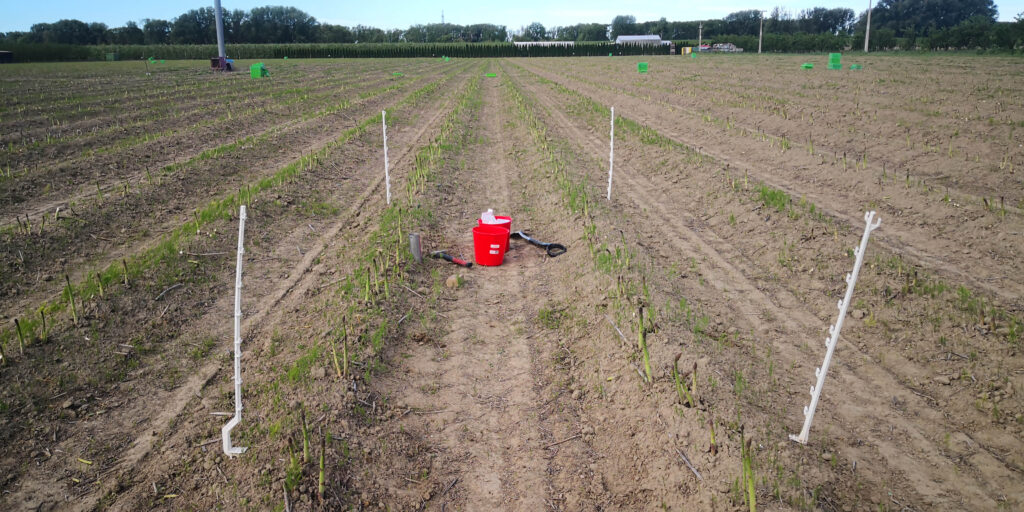
As stated in the article “Productivity of a trial of thirteen asparagus genotypes in their eighth year”, the correct choice of genotypes to cultivate in a certain region is one of the main factors affecting later productivity. Because asparagus is a crop that presents marked genotype-environment interaction, it is necessary to evaluate the behaviour of different hybrids over various years in target production areas in order to determine which ones truly are the best adapted to the local agricultural and climatic conditions, especially when it comes to rainfed plantations. For this reason, the aim of the trial was to evaluate the performance of the 13 genotypes chosen once they had reached their stable productive stage – eighth harvest year.
Cultivars from Italy, China and the US used in trial
The thirteen all male hybrids chosen for the experiment were from three different countries: Italy, China and the United States. The six Italian green genotypes, obtained from the CRA (Center for Agricultural Research) in Lodi, were ‘IÍtalo’, ‘Vittorio’, ‘Eros’, ‘Ercole’, ‘Giove’ and ‘Franco’. From China came ‘Chino’ and from the United States the following six cultivars: ‘Early-California’, ‘UC 157’, ‘Patron’, ‘NJ-1189’, ‘NJ-1123’ (green) and ‘NJ-1192’ (a purple tetraploid). The experiment was initiated on November 16, 2011, close to the city of Azul in the centre of the Province of Buenos Aires, Argentina, in the Experimental Field (36°48’S, 59°51’W) of the Faculty of Agronomy, National University of the Centre of the Province de Buenos Aires (UNCPBA). Seedlings of 120 cm3 were planted in a random complete block design with four repetitions and at a density of 23,810 plants per hectare (1.4 m between rows and 0.3 m between plants within rows). Before planting, the experimental area was prepared with several applications of a disc plough and two of a cross chisel, and days before planting the discs were reapplied, followed by a tiller. The rows were marked with a furrow opener to a depth of 0.25 m.
Combined system used to control weeds
The experiment’s planted area was kept free of weeds via a combined system involving use of a motocultivator, manual removal and chemical control. Prior to plantation, Trifluralina was applied at 2 L/ha and in subsequent years a mixture of 0.5 kg/ha of 35% Metribuzı́n (C8H14N4OS) and 2.5 L/ha of 31.7% Pendimetalı́n (C13H19N3O4) (from the second year), in pre-emergence. In post-emergence, the following were applied as necessary: Glyphosate (C3H8NO5P) and Bentazon (C10H12N2O3S), in the areas affected by Cyperus rotundus; among other species.
The plants were rain-fed alone upon reaching stable production
Where needed, supplementary drip irrigation was applied weekly during the first few years after planting. Once a stable productive stage was reached the plants were solely rain-fed. Fertiliser was applied at the base in bands of 0.3 m with diammonium phosphate ((NH4)2HPO4) at 250 kg ha-1, and broadcast application of urea (CH4N2O) took place once a year during the vegetative phase, with dosage varying according to the point in the crop cycle. On November 28, 2018, the biological fertiliser Arco-Plus, of Mycophos (1 L ha-1) was applied, composed of macronutrients (4.6; 1.2 and 7% NPK, respectively); 14 micronutrients and vegetable hormones.
A. M Castagnino, et al
Harvesting took place every other day
From September 18 to November 12, 2019, spears were harvested – cut with knives at soil level – every second day, making for 27 days of harvesting in total. The harvest started when the spears were at least 23 cm long and had compact heads, which is the parameter denoting commercial maturity under the applicable quality protocol* in Argentina. All spears produced were harvested, even if destined as waste, so that the remaining spears could develop. Once harvested, the spears were taken to the Processing Laboratory of Horticulture of the Faculty of Agronomy, UNCPBA, for washing and post-harvest processes including grading. This transport took place as soon as possible after harvesting in order to preserve the organoleptic properties of the spears.
‘NJ-11232’ stood out as the strongest performer in commercial spear numbers
The researchers said that in the stable productivity stage of the trial (eighth harvest year), five male green asparagus genotypes of Italian origin (‘Franco’, ‘Giove’, ‘IÍtalo’, ‘Eros’ and ‘Vittorio’) and two genotypes of North American origin (‘NJ-1123’ (green) and ‘NJ-1192’ (purple tetraploid) demonstrated their productive superiority in tons per hectare for the central zone of the Province of Buenos Aires. In terms of the number of spears suitable for marketing, the North American genotype ‘NJ-1123’ delivered the best result. Although it also had the highest proportion of discarded and number two grade spears, it maintained its status as one of the best performers for commercial spear numbers, they said. (‘NJ-1123’ actually stood out for its productivity in each size not just in the eighth year of the trial but from the start of the plantation’s productive life.) Next after ‘NJ-1123’ in terms of total number of spears in the eighth year came ‘Giove’, ‘Ercole’, ‘Eros’ and ‘Early California’. For the largest spear diameters, ‘Eros’ and ‘Giove’ were the most productive genotypes, while for the smallest spear diameters it was ‘Early-California’ and ‘UC-157’.
Many more spears in 8th year vs. early productive years
In their conclusions in the paper, the researchers said that, as would be expected, the plantation productively evolved over the years and produced many more spears in the eighth year compared to the early productive years. They remarked that the percentage of discarded spears was high, “indicating that efforts to improve management practices during harvest should result in increases in commercial productivity.” (Earlier in the paper, they said the high discard rate was possibly due to the frequency of harvest being every other day, rather than every day.) Observing that there were notable differences in the ranking of the genotypes for productivity and spear number between the eighth productive year (reported in the paper) and earlier years of the plantation, they said, “It would seem that some genotypes require several years of growth before their adaptation to a certain geographic zone becomes apparent.”
Traits evaluated included commercial fresh productivity
In order to establish the cultivars with the best commercial productivity, they were evaluated according to the following variables:
– Total fresh productivity (TFP) (1st and 2nd quality, plus discarded spears), in tons per hectare;
– Commercial fresh productivity (CFP) (1st quality spears) through two cutting lengths of short, 17 cm (CFP-S) and long, 22 cm (CFP-L);
– Total number of spears (TNS), commercial and discarded;
– Number of commercial spears (NCS) and its short and long components, NCS-S and NCS-L, respectively;
– Proportion of discarded spears and types of defects: bolted spears, freeze-damaged spears, plague-damaged spears, overly short spears, and other defects, such as diseased, twisted or double spears;
– Spear diameter distribution, according to the spear diameter 2 cm from the base: Asparagina (Asp): <6 mm; Small (S): 6-9 mm; Medium (M): 9-12 mm; Large (L): 12-16 mm; Extra Large (XL): 16-18 mm; Jumbo (J): >18 mm, as indicated by the aforementioned Argentine quality protocol.
The statistical evaluation was carried out by analysis of variance (ANOVA) and least significant difference (LSD), with a significance level of P≥0.05.
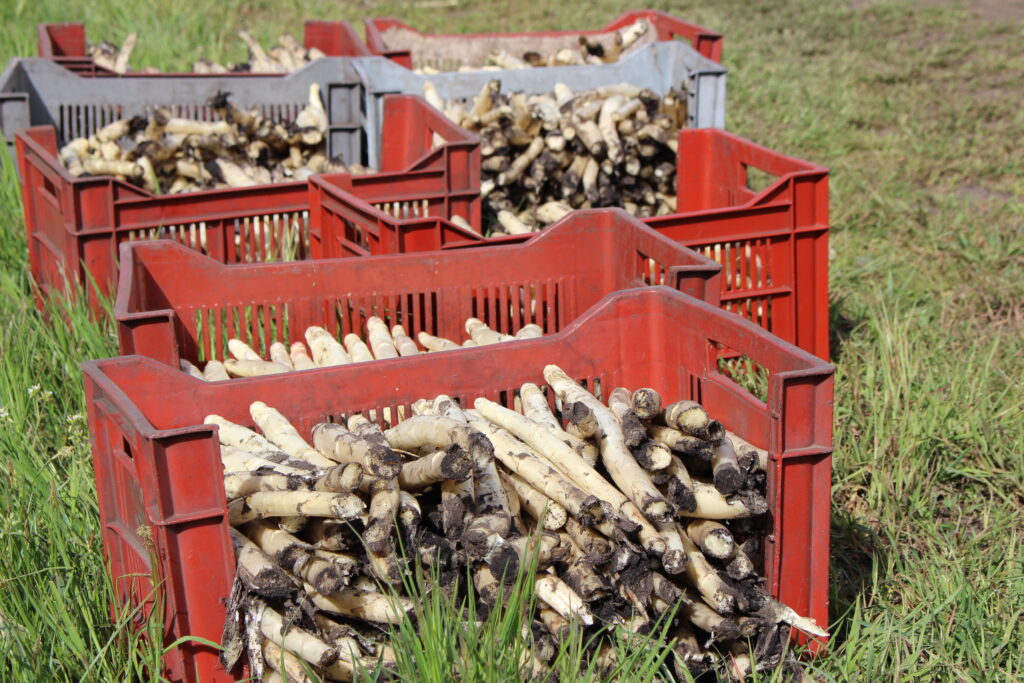
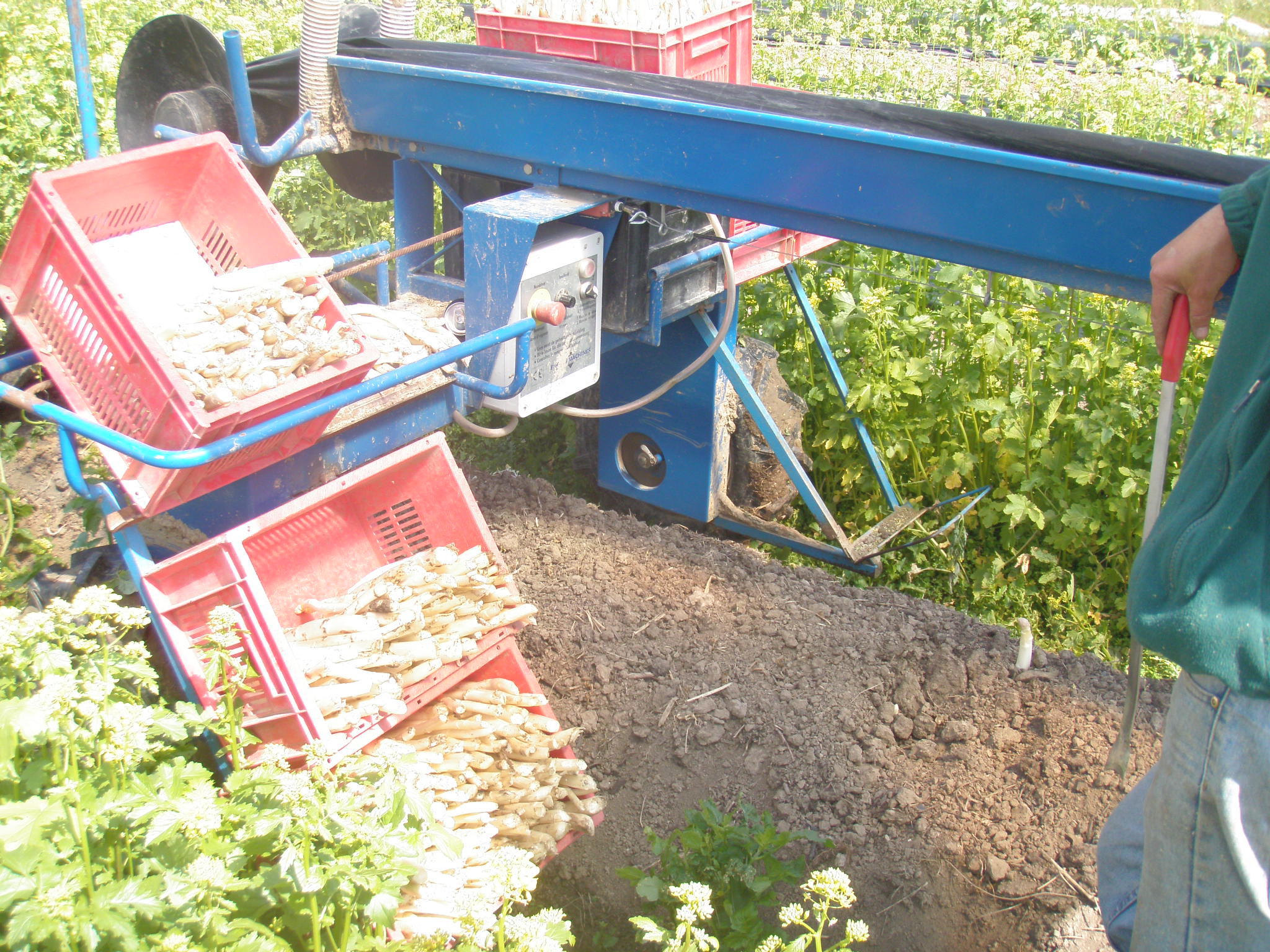
Non-selective harvesters cut all spears regardless of their quality, length, or other requirements, while selective machines harvest spears based on specific criteria. When it comes to green asparagus, nonselective harvesters cut all spears, regardless of length, at or near the soil surface and place the cut spears in collection devices. For white asparagus, they cut all spears, regardless of length, just above the crown in the soil mound then transport both spears and soil onto a conveyor, before separating the spears from the soil by vibration. The soil is then re-mounded over the plant row, Drost says.
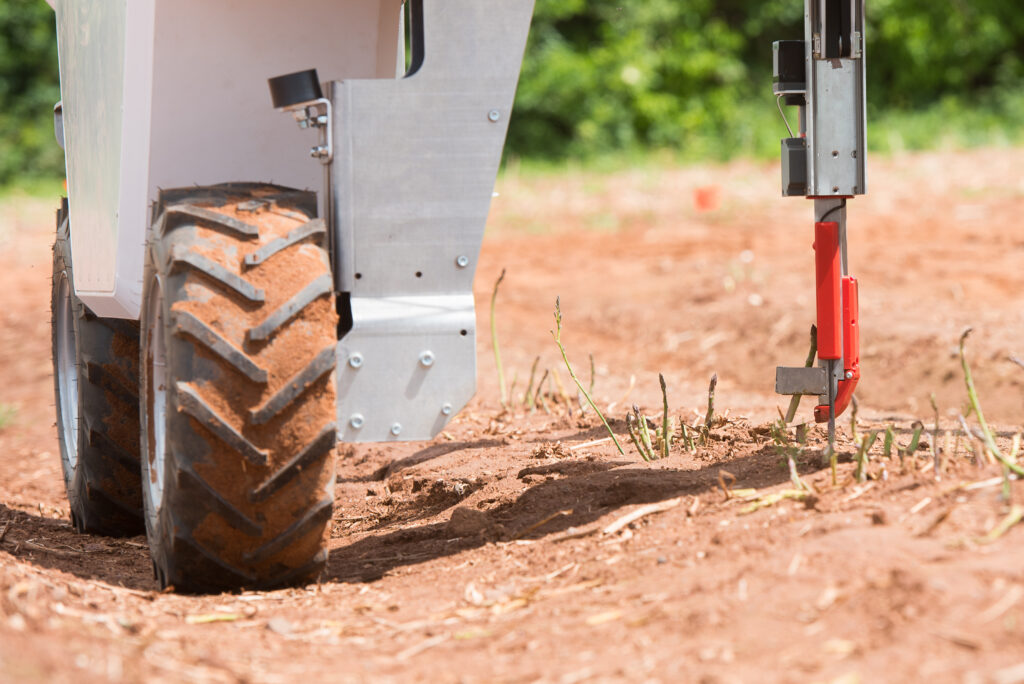
Selective harvesters for green asparagus require advanced sensor data processing to identify individual spears of the appropriate length from fields of spears of many different lengths. Spear identification is difficult in on-farm conditions where speed and accuracy are key. To be integrated into existing production systems, selective harvesters need to operate at speeds and efficiencies comparable to human labour and perform the task without damaging the harvested spear or injuring surrounding spears in the field that was not selected for harvest. Thus, harvesters require real-time (in the order of tens of milliseconds) perception and cognition of the spears, as well as high-speed actuators and robust mechanical designs. Given enough computational power and accurate GPS data, non-selected spears could be mapped for future harvest, which may speed up harvest operations. Predicting when spears achieve the appropriate length for harvest requires knowledge of spear growth rates in addition to position information.
Selective harvesters for white asparagus are more complex. To automate the harvesting process for white asparagus, the row guidance system needs to maintain the integrity of the asparagus soil mound, and the spear harvesting device needs to identify the spear’s location, cut off the spear under the ground, and successfully extract it from the soil with minimal damage to the spear. According to Drost, the guidance part is easier to create, while much more engineering is needed to get the spear-cutting and extraction mechanisms to work efficiently. Ground-penetrating radar has also been evaluated as an alternative approach to sensing crown depth to obtain the optimal cutting height for nonselective harvesters and would ensure that long spears would be cut while crown damage would be minimised.
“In France, the 2023 season was marked by linear production and prices above the 5-year average,” notes a report by RNM (Market News Network). Favoured by mild weather, harvested quantities were higher than those of the last five years, but lower than in 2022. While volumes were low at the beginning of the season, alternately cooler and hotter days allowed an increase in the quantities produced later on, avoiding peaks in production. This stability allowed regular prices throughout the season.
Early competition from summer vegetables
The higher sales prices should be put into perspective, given the sharp rise in costs faced by farmers and shippers relating to inputs, labour, plastic sheeting, packaging, electricity for cold stores and shipping stations, transportation costs, etc. Consumer interest in asparagus remained moderate and sales slowed at the end of the season.
Each year, summer fruits and vegetables are entering the market earlier and earlier, coming into direct competition with asparagus. Consumers abandon spring products to turn to the melons, peaches, apricots and cherries arriving fresh on the stalls.
As for organic asparagus, this has been a particularly difficult season, as it has for all organic products. In a context of declining purchasing power, consumers are turning away from “pleasure shopping” or “luxury” products. Very high prices at the beginning of the season dampened demand for asparagus, after which prices remained below the 2018-2022 average until the end of the season.
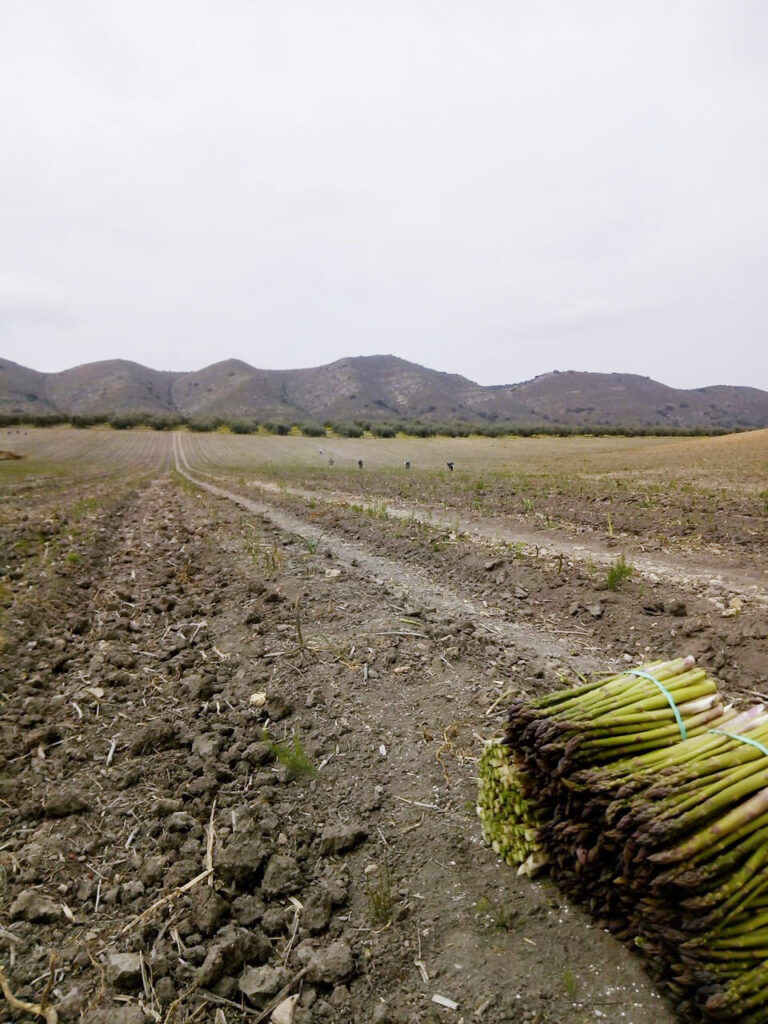
The results for 2022/23 in the province of Granada – which usually grows 60% of Spain’s green asparagus crop – show a 26% slump in output compared to the previous season. The volume in Granada for October 2022 to September 2023 totalled just 23,000 tons, which was also 24% lower than the average of 30,000 tons during the previous few years of relatively stable production levels. According to ASAJA (an agricultural association for young farmers), this was despite the fact that the 6,500 ha planted area in 2022/23 was slightly above the average for the last few years.
Production value down by €28 million
Speaking to Europa Press in October, ASAJA Granada board member José Gámiz was reported as attributing the lower crop to various factors. Among these were frosts in January and rains at the end of May which shortened the main harvest, which usually runs from March till early June, by two weeks. A labour shortage was a further complication. Producer prices started to rise as a result of the lower supply, reaching €5.5/kg, before settling at around €3/kg for the rest of the spring harvest. Based on the average price of €4/kg for the second, smaller harvest in October, the organisation estimates the 7,000 ton reduction in this year’s production compared to the previous season amounted to a loss of around €28 million.
Low river flows limiting access to water for irrigation
Spain’s ongoing drought is taking a toll not just on asparagus but also on the province’s other main crops. ASAJA says river levels are too low and access is very restricted in areas such as Poniente, which mainly grows asparagus. Gámiz said areas around the Los Bermejales Reservoir and Cacín river had been banking on access to about 5,000 cubic metres of water per hectare but at times this year it had been just 600. This was particularly the case when rivers such as the Cacín and Arroyo Milanos were at volumes making it almost impossible to maintain their environmental flow (the minimum needed to maintain a waterway’s ecological health) if used for irrigation.
Amid the uncertainty about water, the provisional 2023/24 forecasts were gloomy. However, the situation could improve depending on how the winter unfolds, he said.
Experts say nitrogen fertiliser should be applied in the establishing years for asparagus, but thereafter, only the nitrogen removed during harvest needs to be replaced. Anecdotally, asparagus has been considered a low nitrogen crop, but grower practices in New Zealand don’t always reflect this. For example, a 2019 survey of grower practice in Waikato suggested an extremely wide range of application rates with typical applications exceeding crop exports.
Lack of nitrates guidelines specific to NZ asparagus crops
A few years ago, LandWISE, an organisation promoting sustainable land management, worked with vegetable growers in Levin amid concerns they were losing nitrogen to Lake Horowhenua. It developed a simple nutrient budget template that suits most crops. But when LandWISE manager Dan Bloomer heard asparagus growers were also keen to use it, he realised no reliable data or guidelines were available for their green asparagus. Thus, after talks with the NZ Asparagus vest needs to be replaced. Anecdotally, asparagus has been considered a low nitrogen crop, but grower practices in New Zealand don’t always reflect this. For example, a 2019 survey of grower practice in Waikato suggested an extremely wide range of application rates with typical applications exceeding crop exports.
Lack of nitrates guidelines specific to NZ asparagus crops
A few years ago, LandWISE, an organisation promo-ting sustainable land management, worked with vegetable growers in Levin amid concerns they were losing nitrogen to Lake Horowhenua. It developed a simple nutrient budget template that suits most crops. But when LandWISE manager Dan Bloomer heard asparagus growers were also keen to use it, he realised no reliable data or guidelines were available for their green asparagus. Thus, after talks with the NZ Asparagus Council, and funding via the Rural Professionals Fund from NZ’s Our Land and Water National Science Challenge, a nitrate management trial started.
Some farmers replace a lot more nitrogen than is removed at harvest
Unfortunately grower input was limited by a Covid-19 lockdown and brutal season in 2021, but despite the difficulties, some insights were gained. So far, a wide range of nitrogen management practices have been identified, indicating no agreed industry best practice. Bloomer said grower comments varied from, “I don’t put any nitrogen on my asparagus, I save it up and put it on my broccoli”, through to putting it on “because Dad did”. “So there isn’t an industry standard practice,” he said. Some farmers were found to be applying nitrogen at rates much higher than were likely being exported in the harvested crop. The researchers estimated that the amount of NO3-N exported in the harvested crop is about 12–13 kg NO3-N/ha while rates of 24, 55 and 69 kg NO3-N/ha were used by those growers in the trial who reported applying nitrogen fertilisers.
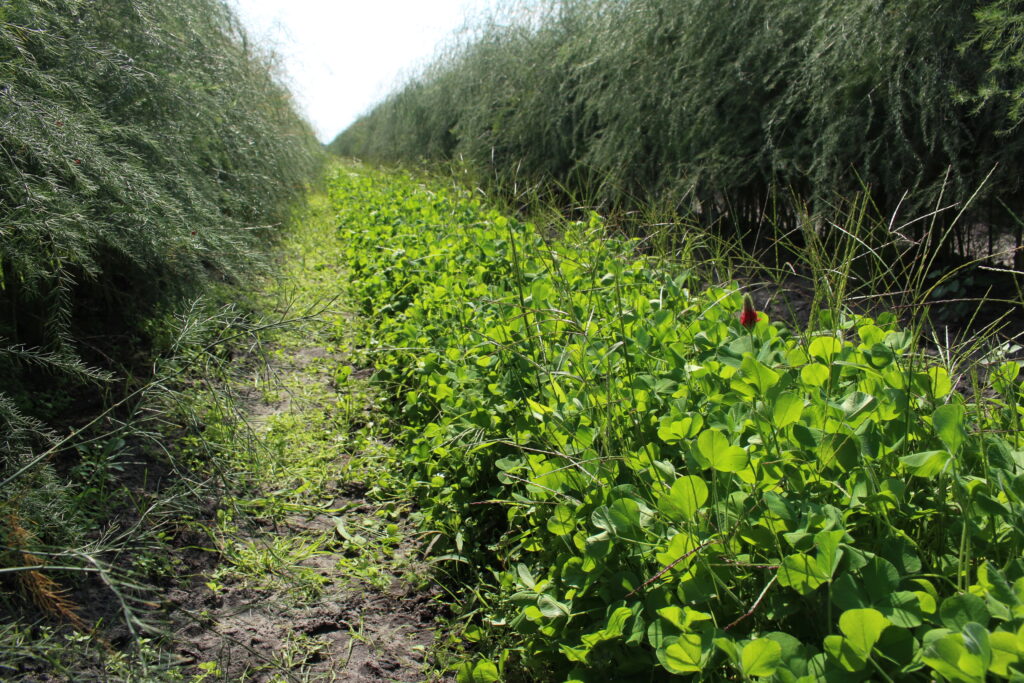
Growing vegetation coverage between the rows in asparagus plantations is a recent practice. It started with green asparagus crops to facilitate the passage of harvesting machinery and to limit soil compaction. The technique has also shown other advantages, too, such as the wind protection it offers for the asparagus to ensure a better-quality harvest and straighter spears. The many agronomic, thermal, ecological and environmental benefits afforded by vegetation coverage has now led to its use with white asparagus in several European production areas.
The vegetation cover enhances the bearing capacity of the soil to support the passage of harvesting assistance machines, especially during rainy periods.
Benefiting from a “windbreak effect”
From an agronomical perspective, vegetation cover improves soil structure through the root development of species in different soil horizons, thus enhancing the soil’s water capacity. The cover also protects against soil erosion. What’s more, growing species with taproots captures mineral elements such as nitrates in the deepest layers of the soil and limits leaching, while legumes bring nitrogen to the soil. Pulverising the foliage and root volume makes it possible to increase the soil’s humus content. The addition of organic matter significantly improves the soil’s microbial activity, thereby increasing the availability of nutrients. When a vegetation cover is maintained on a plot throughout the life of an asparagus plantation, the percentage of organic matter in the inter-rows is higher, rendering the plot more favourable for replanting, especially in asparagus groves with large spacing (more than 3.5 m). It is worth considering applying vegetation coverage permanently in order to make the most of its thermal benefits throughout the crop cycle. In spring, when the vegetation cover develops above the mounds prior to harvest, this offers a “windbreak effect” that makes the plastics less likely to fly away or be removed. It also assists by warming the mound more quickly as it is less exposed to the wind, often from the north. An additional degree above 12°C at the crown can result in an additional 30 kg/ha harvested per day at the beginning of the asparagus season. Once it has been cut down in the first days of harvest, the vegetation cover can provide the soil with greater bearing capacity for the passage of harvesting machinery, especially during rainy periods.
Planted, controlled and maintained
At the end of harvest, new plants develop, generating favourable conditions for the presence of auxiliary fauna (hoverflies, ground beetles, lacewings, ladybirds, etc.). They also limit the development of weeds in the inter-row. This is particularly useful when seeking to reduce the use of herbicides or for organic cultivation. After being pulverised, the vegetation can be placed onto the planting row to provide a natural mulch that limits grass growth. In autumn and winter, the cover can mitigate the effect of heavy rains. However, there can also be certain drawbacks to using vegetation cover, such as reduced aeration in the row and increased risk of disease due to higher humidity. Furthermore, in some situations, it can encourage the development of rodent populations.
The vegetation cover enhances the bearing capacity of the soil to support the passage of harvesting assistance machines, especially during rainy periods.
The vegetation cover must be planted, controlled and maintained. It can be sown at the end of the harvest and benefit from the rains. At a later point, its installation will be easier if the plot is irrigated using a sprinkler system. It is advisable to combine different plant families, including grasses: rye, oats, and ryegrass (important root); cruciferous plants: fodder radish, Chinese radish, and white mustard (taproot); and legumes: Alexandria clover and fodder lentil (nitrogen fixation). The required duration of the vegetation cover (i.e., whether it is permanent or seasonal) also determines the choice of species. In this sense, it is necessary to take into account the plants’ sensitivity to frost. Oats, Alexandrian clover and phacelia are also sensitive to frost, whereas ryegrass, rye, lentil and radish are not very sensitive. Between 12 and 15 kg/ha should be used depending on the planting distance and the width of the inter-row.
Improving plastics integration
Maintaining a permanent vegetation cover requires certain adaptations, and even material investment. Long planting distances allow for grassing of the row year-round while keeping enough soil available for the mounding. Some machinery manufacturers (e.g.: Engels) have also adapted ridgers to maintain the grass cover of the row (see Equipment section). Even though grassing of the row requires repeated passages by a tractor and pulveriser to control the cover’s development (every 8-10 days with sprinkler irrigation or every 3 weeks with drip feed), fuel consumption is much lower than with tillage tools. Lastly, the “greening” of asparagus rows improves the integration of asparagus plots into the landscape and greatly reduces the “visual pollution” associated with asparagus that locals complain about in certain areas.
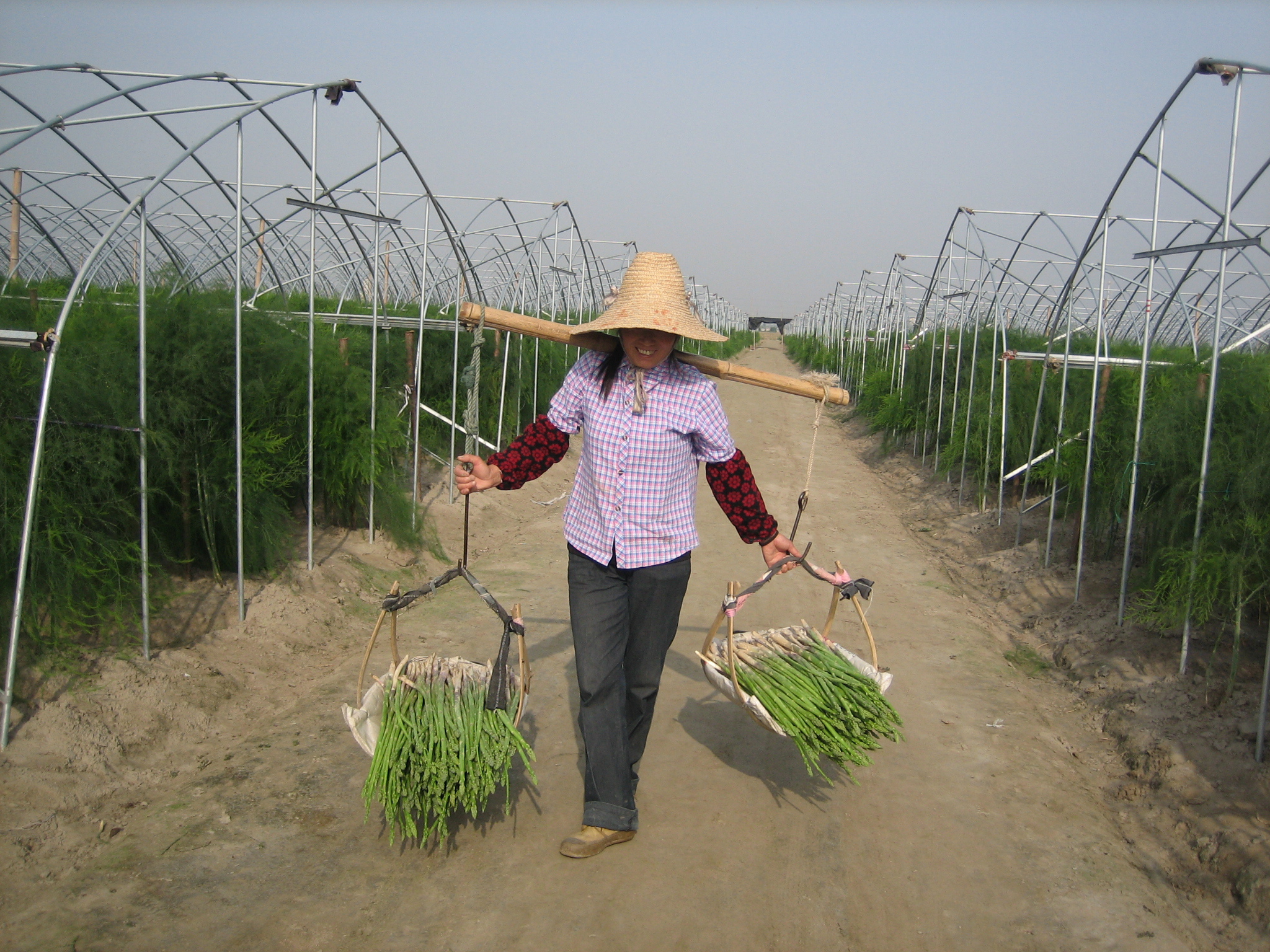
Hangzhou Jiahui Agricultural Development Co., Ltd was founded in 2000. The asparagus planting area is located near the edge of the Qiantang River in Hangzhou, Zhejiang Province, a region with a subtropical monsoon climate, high summer temperatures and humidity, leading to extremely serious risk of stem blight. What’s more, the soil is sandy loam. As a result, the asparagus is planted in plastic tunnels. The products are mainly sold in Beijing, Shanghai, Guangzhou and other big cities, but some is exported to Japan. Asparagus consumption in China is on the rise thanks to increased demand from hotels, restaurants and festivals. But there is currently a lack of supply, which makes planting very profitable. Some production areas are as large as 68 hectares. However, input and labour costs are rising each year, which is cutting into producers’ profit margins and slowing the expansion of planting area. To respond to these issues, Hangzhou Jiajui has begun to focus on creating new cultivation technologies and breeding new varieties.
Harvesting spears over three stages
The main varieties grown by the company are UC157, Atlas, Grande, Jialu No. 1, Depola, Fengdao No. 1, Fengdao No. 2, Jinguan, Feicui Mingzhu, Huamiao, and more, all of which are planted in greenhouses or plastic tunnels. The plants remain in these enclosures throughout the growing cycle, keeping mother-stems twice and harvesting spears three times a year. Production is ongoing throughout the whole year. After fertilising in early December, a plastic film is used to cover the whole tunnel. There is usually a smaller tunnel in the greenhouses for heating, with double plastic tunnels commonly used to increase temperatures and produce early spears. The inside tunnel is removed by early March. The films on both sides of the tunnel are rolled up in early May and just the top film remains until December.
The top-covering method is employed to prevent outbreaks or spread of stem blight pathogens. The winter harvest period can also be advanced to the end of December or start of January. Asparagus can also be on the market just in time for the Chinese Spring Festival, when the price is at its peak. In autumn, the harvesting period can be postponed until the middle of November, and the dormancy period of asparagus is less than two months.
Using mother-stems twice
The first harvest, called the “spring harvest”, is from late December or January to early April. Spears with a diameter larger than 1cm are selected for use as spring mother-stems. The second harvest, the “summer harvest”, is from mid-May to late August, when spears are harvested under the mother-stems. Then, all the mother-stems are removed and spears with a diameter larger than 0.8cm are selected for use as autumn mother-stems.
The third harvest (the autumn harvest) is from early September to mid-November. All stems are removed after the arrival of the frosts and the plants enter their dormant period.The spears are harvested by hand when they reach 35-40 cm. Thanks to the multiple harvesting periods and the extensive use of organic fertiliser, the annual yield of 4-8-year-old unprocessed asparagus can reach about 75 tons per hectare. The sorted and bundled spears (35-37 cm or shorter) have their white roots cut off and are sent for marketing. Partition management is used in the production area, with each farmer managing 1.3-2 hectares or more. The input materials are purchased and distributed by the company, which is also responsible for recycling and selling all products under a joint brand. Ninety percent of the proceeds goes back to the farmers, which is very motivating for them and has improved productivity and efficiency levels.
Four patents
The firm has its own research centre, equipped with a small laboratory and technicians, who mainly work on developing new cultivation techniques and breeding new varieties. As a result of its cultivation technology research, four patents have been obtained, including for asparagus cultivation, a fertilisation method, a seed plot management method, and a biodegradable film for promoting early asparagus harvests in winter and spring.
In addition, three varieties have been developed:
1) Jialu No. 1, which has a green colouring and is medium-ripe;
2) Zaojia No. 2, which is early and stout, has a long harvesting period in spring, and a tight head that is not easy to scatter; and
3) JH120, which responds to the local market’s preference for stout asparagus. It has a tightly wrapped head and a lightish colouring.
A complex and changeable natural environment
As the economy of this region is relatively developed, there is a high standard of living and asparagus demand is still growing. But competition in the asparagus industry is fierce. As a result, businesses are actively exploring more efficient, sustainable and practical cultivation techniques, as well as more cost-effective and convenient sales methods, so as to cope with the complex and changeable natural environment, improve the quality and safety of asparagus products, and meet the quality standards expected by consumers. As farmers recognise the critical role played by variety choice, such decisions are made very carefully.
Fertilisation and pest control process
1/ Fertiliser and water management
Apply decomposed organic manure (e.g. pig manure) and ternary compound fertiliser by ditch application three times a year. A three-compound fertiliser (15% N, 15% P2O5, 15% K2O) is applied once a month for topdressing during harvest.
Drip irrigation is usually employed to replenish field moisture, and attention is paid to drainage during the summer rainy season.
2/ Disease and pest control
Stem blight (Phomopsis asparagi) is the main disease threat. The stems are kept dry and the spread of pathogens is controlled because the plastic greenhouses keep out the rain. Two critical control periods are needed: 1) When the spear has grown into its mother-stem, spraying fungicide can help to prevent the invasion of diseases in the process of stem lignification transformation; 2) After the mother stem has been completely removed, it is very helpful to remove the sick stalks in time and sterilise after removing all the stems. Noctuidae and thrips constitute the main pests. Sex attractant trapping is very necessary to combat noctuidae, and biological pesticides are also used to control both noctuidae and thrips.
Size determines the price
Asparagus products are mainly sold on the domestic market through supermarkets and local markets, but online sales and group buying have also emerged in recent years. Price is determined by size, with stouter asparagus fetching higher prices. Wholesale prices of asparagus fluctuate widely depending on availability, reaching a peak during the Spring Festival and the winter shortage period. The rest of the time, prices are relatively stable and depressed. Also during the period in which mother-stems are retained, there is less supply, which leads to a slight price increase.
Five steps of cultivation mode in Hangzhou Jiahui Agriculture
1. Double tunnels are used in winter and early spring.
2. Spears are pulled out by hand without mother-stems.
3. Mother-stems are retained after harvesting spring and summer asparagus
4. When the mother-stem matures, new shoots grow.
5. Harvesting summer and autumn asparagus under mother-stems
In many countries, especially in Europe, asparagus is the vegetable that heralds the return of spring and the new season. The date of its arrival and the development of production volumes are very much influenced by weather conditions during the previous winter in production basins (from south to north). In addition, the consumption of this “spring vegetable” and “pleasure vegetable” is also influenced by the sometimes-capricious weather at this time of year. This game of “supply and demand” constitutes the basis for setting asparagus prices and therefore the profitability of the crop. Being able to forecast the production dynamics is therefore a decisive asset, especially when asparagus is marketed by supermarket chains (hypermarkets, hard discounters) that require planning of supplies and prices. In France, where the total production is about 25,000 tons, asparagus is produced throughout the country, with large areas in Les Landes, Maine-et-Loire, Gironde, Gard and Bas-Rhin.
Better forecasting of production dynamics
“Prices are generally high at the beginning of the campaign, with quotations at the shipping stage, at the end of February for Les Landes, starting at around €12/kg (white asparagus, southwest, category 1, 16-22 mm) because information about the volumes remains confidential,” said Astrid Etèvenaux, director of the national PDO Asparagus of France. Then, prices fall significantly until the end of March, when all the basins are in production, with an observable uptick in prices around Easter, after which prices drop until the end of the season to their lowest price levels (between mid-May and early June) of €3 to €6/kg at the shipping stage (white asparagus, southwest, category 1, 16-22 mm). “It is around Easter that consumers are most eagerly awaiting asparagus, and that is when it is hoped the peak of production will be. The average retail price (in store) ranges from €5 to €7 per kg,” said Etèvenaux.
Faced with this situation, the members of Asperges de France have for several years been considering constructing a decision-making tool which would allow them to better anticipate the production dynamics of asparagus plantations. Such a model would make it possible to optimise communication amongst professionals, especially with major brands, as well as help with organising harvesting and packaging work. In the long term, it would also make it possible to anticipate the consequences of climate change for the sector. Asperges de France along with the INRAE and Invenio research stations are working on the development of a model. The first step involved identifying the main biological and technical parameters in the production kinetics of asparagus plantations. “The first prototype model was designed to estimate the date of peak production. We mainly focused on the influence of temperature on initiation and rate of growth. We collected air temperature data in several production basins and transformed the temperature of the outside air into the temperature of the covered mound at several depths. We then calculated the theoretical date at which the cold and hot needs of the asparagus plantation were reached, based on data from the scientific literature,” said Emilie Casteil, project manager at Asperges de France.
The ability to forecast the production dynamics is a key asset when it comes to forward planning of supplies and prices.
Other factors under consideration
Data collected from producer members of Asperges de France made it possible to set up this prototype to estimate peak harvest periods over previous years. The preliminary results of this analysis have been very encouraging and suggest that this approach is suitable for asparagus. “Peak production is estimated with an average accuracy of 6 days, ranging from 1 to 13 days, depending on the year. But the first prototype does not allow estimation of the start date of production or the projected yield,” said Casteil. Work will continue by collecting more data to refine the model and improve its reliability and accuracy. “It is necessary to refine the model by taking into account other factors such as the variety and age of the asparagus plantation, the impact of handling plastic films that can be turned either black or white face up, the sunshine and the reserves stored in the crown,” said Casteil. With plans to recruit a doctoral researcher in 2023, all of this work should allow significant progress to be made in understanding the dynamics of asparagus production so that producers may rely on this model for their decision-making. Finally, in the context of climate change, this tool should also make it possible to determine the impact it is having on asparagus production in the different regions of France. Producers’ expectations are high and the initial results are promising. According to Asperges de France, the model will be transferable to green asparagus since the input data will be identical. However, the model will have to be adapted to take into account the characteristics of green asparagus production, such as the absence of covers and the mounds, which requires different temperature considerations.
Challenges of estimating French asparagus crops
French asparagus production totals 25,800 tons on over 6,500 ha. France has five main asparagus production areas (Les Landes, Maine-et-Loire, Gironde, Gard and Bas-Rhin), but asparagus is grown throughout France. This makes for a fragmented production, with little organisation amongst producers, creating challenges for estimating production dynamics during the season. The asparagus harvest starts in February in the earliest production basins (Les Landes) and ends in June in the later basins (Maine-et-Loire). According to Kantar data, 58% of asparagus purchases are made in supermarkets (HM, SM, EDMP and GSF fresh supermarkets), with 23% in local markets, 10% in greengrocers, and 8% via direct sales.
Die ca. 20 ha Spargelanbau auf schweren Böden mit einer Kiesschicht und einem durchschnittlichen Jahresniederschlag von 810 mm stellten ihn dabei vor große Herausforderungen. Bereits seit 2015 unterliegt die Wahl aller Bewirtschaftungsmaßnahmen im Betrieb dem vorrangigen Ziel, Bodenverdichtungen zu verhindern.
Seit 2019 bemüht man sich darüber hinaus die 5 Prinzipien der Regenerativen Landwirtschaft für den Spargelanbau anzupassen:
1 Dauerhafte Bodenbedeckung
2 Dauerhaftes Vorhandensein von lebenden Wurzeln
3 Förderung der Biodiversität in und über dem Boden
4 Minimale Bodenstörung durch reduzierte Bodenbearbeitung
5 Integrierung von Tierhaltung
Aussaat der Winterbegrünung
Die grundsätzliche Zielsetzung der Regenerativen Landwirtschaft ist es, durch Wiederherstellung der natürlichen Prozesse, das gesamte Ökosystem zu stärken und zu regenerieren. Die zentrale Funktion übernimmt hierbei der Boden als komplexes Ökosystem, da er eine wesentliche Rolle hinsichtlich der Biodiversität, der Pflanzengesundheit und durch die Speicherung von CO² auch für das Klima spielt. Ein gesunder Boden speichert mehr Wasser, ist widerstandsfähiger gegen Überschwemmungen und Dürre, liefert mehr Nährstoffe für die Pflanzen und belastet das Grundwasser nicht. Die Umsetzung dieser Ideen findet beim Spargelanbau im Rafzer Feld vor allem durch die Einsaat von zwei Gassenbegrünungen im Laufe des Kulturablaufes, sowie durch die Düngung mit einer selbst entwickelten Terrapreta statt. Diese Komposterde setzt sich zusammen aus festem Gärgut, Pferdemist, Pflanzenkohle, Gesteinsmehl, Melasse und EM (Effektive Mikroorganismen) und reift in Form einer Feldrandkompostierung 4 Monate lang unter einer Abdeckung von Grünschnitt.
Nach der Fertigstellung und Abdeckung der Dämme
Nach der Stechperiode werden die Spargeldämme mit einer Scheibeneggenkombi komplett abgetragen. Dies ist notwendig, um den organischen Dünger mit dem Kompoststreuer gleichmäßig auszubringen. Danach findet eine Tiefenlockerung der Gasse bei gleichzeitigem Einspritzen von EM (200 l/ha) statt. Direkt im Anschluss wird auf den Spargelflächen im Rafzer Feld mit Saatkasten auf Kreiselegge und Walze eine abfrierende Begrünungsmischung in den Gassen ausgesät (s. Foto 1). Das Mulchen von Begrünung und Spargelkraut findet für die zu verfrühenden Anlagen im Oktober in zwei aufeinanderfolgenden Arbeitsschritten statt. Nach der Fertigstellung und Abdeckung der Dämme erfolgt dann die zweite Begrünungsaussaat mit Winterweizen mit einer Säkombination beidseitig des Dammes. Diese Begrünung bleibt dann bis zum Ende der Stechperiode stehen und wird erst mit dem Abdämmen umgebrochen.
Verschlämmungen und Verdichtungen stark vermindert werden konnten
Die in der Regenerativen Landwirtschaft angestrebte andauernde Bodenbedeckung durch Begrünungspflanzen ist im Spargelanbau durch das Auf- und Abdämmen kaum umsetzbar. Doch die Praxis der zweifachen Begrünung der Gassen stellt eine Annäherung an die Zielsetzung dar und führt zu einer nachhaltigen Verbesserung des Humusgehaltes im Oberboden. Durch Verwendung des Schmalspurschleppers für die Aussaat der Begrünung wird die tiefgelockerte Gasse nicht befahren. Die Walze nach der Einsaat der Begrünung schließt den Oberboden, wodurch aerobe Prozesse die zur Nitrifikation führen direkt unterbrochen werden.
Bereits im zweiten Jahr ließ sich erkennen, dass sich durch die Umsetzung der beschriebenen Maßnahmen die Befahrbarkeit während des Stechens mit den Spargelspinnen verbessern liess, dass die Wasseraufnahme nach Starkregenereignissen erhöht war und Verschlämmungen und Verdichtungen stark vermindert werden konnten.
Manage consent
To provide the best experiences, we use technologies such as cookies to store and/or access device information. Consenting to these technologies will allow us to process data such as browsing behavior or unique IDs on this site. Failure to consent or withdrawing consent may adversely affect certain features and functions.
Functional
Always active
Technical access or storage is strictly necessary for the legitimate interest purpose of enabling the use of a specific service explicitly requested by the subscriber or user, or for the sole purpose of carrying out the transmission of a communication over an electronic communications network.
Preferences
Technical access or storage is necessary for the legitimate interest purpose of storing preferences that are not requested by the subscriber or Internet user.
Statistics
Technical storage or access that is used exclusively for statistical purposes.Technical storage or access that is used exclusively for anonymous statistical purposes. Absent a subpoena, voluntary compliance from your internet service provider, or additional records from a third party, information stored or retrieved for this sole purpose generally cannot be used to identify you.
Marketing
Technical access or storage is necessary to create user profiles in order to send advertisements, or to track the user on a website or across websites with similar marketing purposes.