
https://italianberry.it/en/news/do-we-really-know-what-our-berry-plants-need
Archive
Biochar gains ground in Spain as a regenerative soil amendment with agricultural and urban uses by Livingchar and FreshPlaza
Biochar gains ground in Spain as a regenerative soil amendment with agricultural and urban uses
The need to regenerate agricultural soils and reduce the carbon footprint of production systems is driving interest in solutions that not only nourish crops but structurally transform how soils function. In this context, biochar, a plant based charcoal obtained through pyrolysis, is beginning to find its place in Spain as a regenerative amendment, with applications ranging from professional agriculture to urban arboriculture.
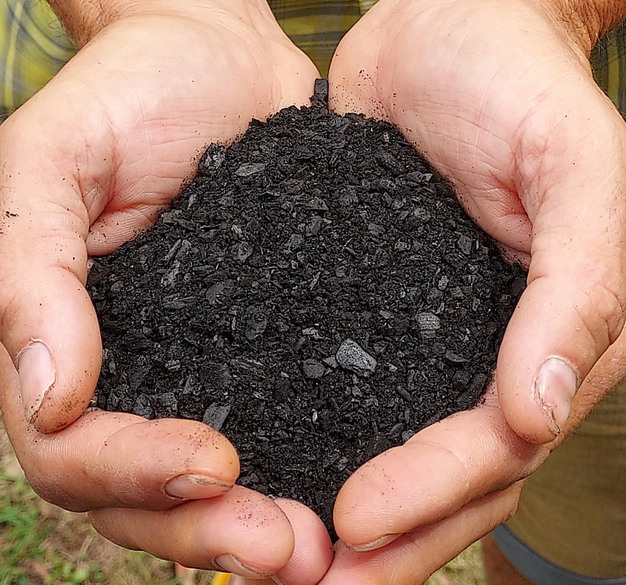
At the cooperative Carbón Vivo, promoter of the LivingChar brand, the team works with biochar produced from pine wood and certified under the European Biochar Certificate, which guarantees both process sustainability and product safety. “Biochar is an organic carbon material whose purpose is to improve the physical, chemical and biological properties of soil and act as a carbon sequestration tool,” explains Abel Zahínos, one of the project’s promoters.
More than carbon, soil infrastructure
“Our biochar contains more than 80 percent carbon and acts as a soil regenerator by restoring a key mineral, carbon, which many Spanish soils have lost due to intensive agronomic practices, high temperatures and reduced water availability. Unlike conventional fertilizers, biochar does not directly supply NPK,” he notes, “instead it improves soil structure, cation exchange capacity and the management of water and nutrients”.
“An ideal soil is made up of roughly 25 percent water, 25 percent air, and the remainder mineral fraction and organic matter. In degraded or compacted soils, those pores collapse and the capacity to store and properly manage the water and oxygen that plants need for their physiological functions is lost,” he explains. “That is why it is so important to provide soils with a structure that ensures proper circulation of water and gases, elements that are essential for crops to thrive and to be resilient to climate change”.
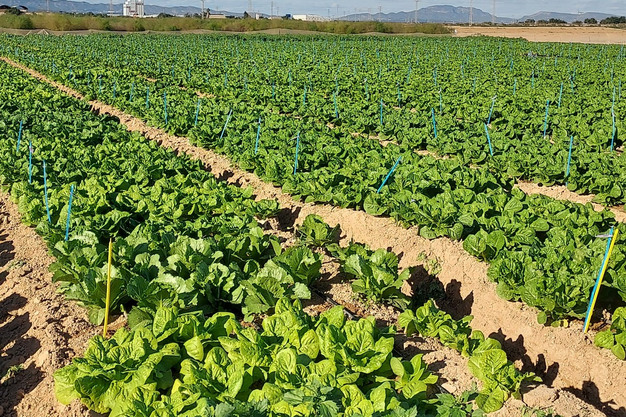
In this respect, biochar is particularly valuable because of its ability to increase plant available water in soils, the fraction of stored water that roots can extract and use for growth. “According to trials carried out with the Universidad Politécnica de Madrid, conventional compost provides around 7 percent plant available water, while biochar offers more than 50 percent. This allows for a significant improvement in soil water efficiency, a critical factor for Mediterranean crops”.
Less leaching, higher efficiency
Another key property of biochar is its high cation and anion exchange capacity. “In practical terms, it acts as a retention structure that binds nutrients and reduces losses through leaching. Nitrate losses can be reduced by up to 60 percent. This not only improves plant uptake, but also helps optimise fertiliser use and reduce the environmental impact linked to aquifer pollution”.
On this basis, LivingChar has developed solutions such as Compostchar, a regenerative fertiliser combining organic compost, biochar and rock minerals, and Arbochar, designed for woody crops and long term plantations. “The goal is to permanently improve soil conditions from the moment the crop is established”.
In addition, the biochar production process through pyrolysis allows the carbon previously captured by plants during photosynthesis to be stabilised. “Each tonne of our biochar sequesters up to 2.9 tonnes of CO₂ equivalent. Unlike natural biomass decomposition, which returns carbon to the atmosphere, biochar stabilises it in the soil for estimated periods ranging from 700 to 3,000 years”.
“In fact, the Intergovernmental Panel on Climate Change recognizes it as one of the currently available technologies with net carbon removal, adding a climate dimension to its agronomic application”.
From fields to cities
Beyond agriculture, biochar is also gaining prominence in urban gardening and arboriculture projects. “Cities such as Stockholm began incorporating biochar into their plantings after detecting mortality and disease rates of up to 80 percent in urban trees due to soil compaction. Since 2008, all new trees have been planted with biochar, achieving survival rates close to 100 percent,” Abel shares.
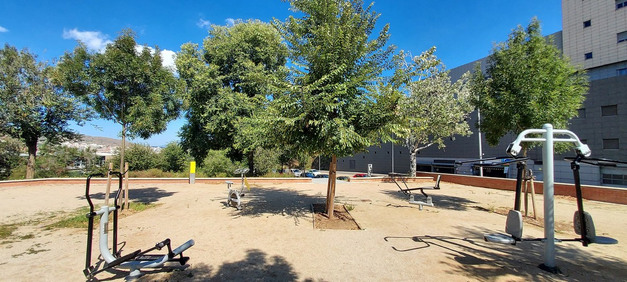
In Spain, LivingChar is working with municipalities such as Barcelona and Córdoba to improve urban soils. “The problem in cities is compaction. Soil loses its ability to properly manage the air and water that trees need, and roots cannot develop. A tree, and plants in general, can die both from lack of oxygen and from lack of water,” he points out.
An emerging market with room to grow
Although awareness of biochar has increased over the past five years, adoption in professional agriculture remains limited. “At LivingChar we recognise that there is still a strong need for outreach and for clear differentiation in quality, since raw material, production process and certification make a substantial difference to the final product”.
“At present, we are focusing on the Spanish market, with a grower focused model based on soil analysis and personalized technical advice. But we are convinced that wider use of biochar is only a matter of time”.
 For more information:
Livingchar
C/ Margarit 37
08004 Barcelona
T. (+34) 670 585 159
hola@livingchar.com
https://www.livingchar.com
Frontpage photo: © Livingchar
New food safety laws for berry, leafy vegetables, and melon growersby Murray River Council and FreshPlaza
New food safety laws for berry, leafy vegetables, and melon growers
Anyone growing berries, leafy vegetables, or melons for sale in New South Wales, Australia, must meet on-farm requirements and provide their business details to the NSW Food Authority.
Small-scale growers selling directly to the public, including at markets, at the farm gate, or through home delivery, are also required to notify the Council of their business details.
The new requirements are outlined in the Australia New Zealand Food Standards Code and address key food safety risks associated with berries, leafy vegetables, and melons. These include contamination from soil, water, fertilisers, animals, and worker hygiene.
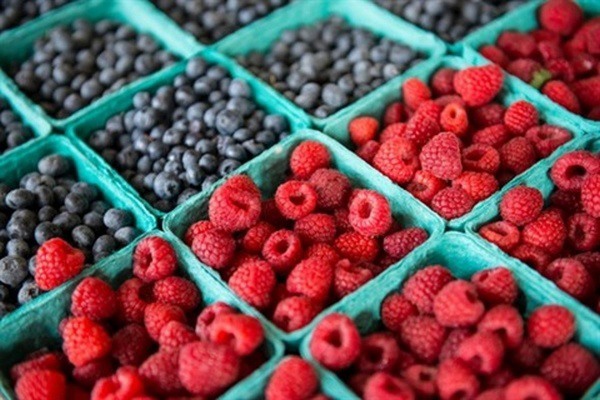
To reduce administrative burden for smaller operations, businesses growing less than 2 hectares of berries, leafy vegetables, or melons are required only to notify the Food Authority and manage on-farm risks. Larger producers must obtain a Food Authority licence. Licence fees have been waived until 12 February 2027.
The Food Authority’s acting CEO, Andrew Davies, said the new laws aim to strengthen consumer confidence by ensuring all growers address key food safety risks and that produce remains traceable throughout the supply chain.
“Typically eaten raw, berries, leafy vegetables, and melons have been linked to multiple foodborne illness outbreaks in Australia and internationally,” he said.
“I encourage berry, leafy vegetable, and melon farmers in [council area] to find out more about the requirements on the Food Authority website and to get in touch with us early to ensure a smooth transition.”
For more information:
Murray River Council
Tel: +61 1300 087 004
Email: admin@murrayriver.nsw.gov.au
www.murrayriver.nsw.gov.au Publication date: Mon 16 Feb 2026
Strawberry pop-up highlights premium varieties at Lumine Agri Marche Tokyo by FreshPlaza
Strawberry pop-up highlights premium varieties at Lumine Agri Marche Tokyo
Fruit curation brand ORVIIA, founded by presenter Yumi Nagashima, will hold its first physical pop-up at Lumine Agri Marche in Shinjuku, Tokyo, from February 20 to 22, 2026. The activation focuses on strawberries from the second harvest, positioned at the seasonal peak in terms of balance between acidity and sweetness.
The pop-up features red and white strawberry varieties, allowing visitors to compare aroma, sweetness, and texture. Yumi Nagashima will be present to explain varietal characteristics and share background from producers. The initiative connects consumers with fruit typically supplied to luxury hotels and restaurants.
Lumine Agri Marche, located outside JR Shinjuku Station at Newoman Shinjuku, promotes links between agriculture and urban consumers. ORVIIA participates during the final three days of the broader event. Opening times are Thursday and Friday from 1 pm to 8 pm, Saturday from 1 pm to 8 pm, and Sunday from 11 am to 6 pm.
Japan’s premium fruit segment has expanded steadily, with strawberries leading the category. Production is conducted under controlled conditions to optimize shape, flavour balance, and uniformity. White varieties have gained market share in recent years due to their mild sweetness and distinct appearance. Consumer demand centres on provenance and harvest timing.
Nagashima previously worked as a presenter on Fuji TV and has reported on agriculture and producers. She founded ORVIIA after testing hundreds of varieties and selecting fruit based on flavour balance. The brand was initially launched online and is now expanding into physical retail.
At the pop-up, ORVIIA presents strawberries selected from more than 300 evaluated varieties. Red cultivars include Akama, Kotoka, and Tochou. White cultivars include Milky Berry, Cotton Berry, and Alabaster Snow. The concept enables side-by-side comparison of different flavour profiles and aftertaste characteristics.
Limited edition packs are available during the event. The 2026 Edition Limited Box Beni contains three red varieties and is priced at US$10.00. The 2026 Edition Limited Box Shiro contains three white varieties and is priced at US$13.20. The ORVIIA CUVÉE box, which combines 15 strawberries from five varieties, is priced at US$105.00 in its standard format.
Strawberries are handled shortly before the event to maintain freshness, with refrigerated transport to Shinjuku. Packaging is designed to protect the fruit structure during distribution.
The event forms part of a broader trend to increase urban engagement with seasonal horticultural production and curated premium fruit offerings in Japan.
Source: mix vale
“只要需求允许,本季我们将继续出口新鲜草莓” FreshPlaza
“只要需求允许,本季我们将继续出口新鲜草莓”
埃及草莓正在经历一个特殊的季节,产量的大幅增加导致草莓价格稳定,而竞争和运输成本的增加则加剧了出口商的困难。Green Tiba 公司的销售经理 Moustafa Shaalan 承认,”与往季相比,本季的产业发生了很多变化”。
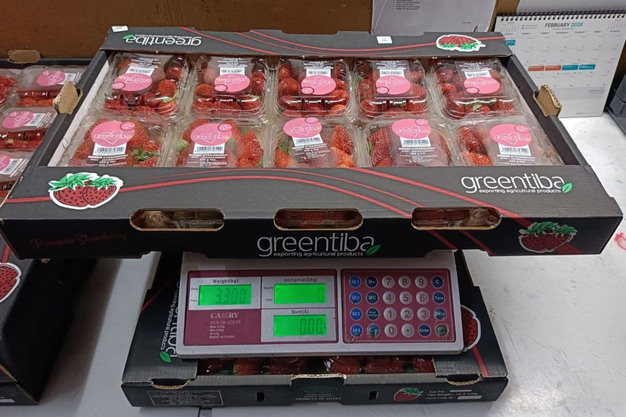
这一季的开始时间比往年早,因为种植者急于抢先进入市场,但随着供过于求的情况充斥市场,价格也随之下跌。Shaalan 说:”产量大幅增加,使出口商陷入困境,特别是运输成本的上涨也无济于事。本季我们还不得不对草莓进行多次分拣,尤其是在恶劣天气条件下,以便完成装货计划,并使 Green Tiba 的品牌始终在市场上占有一席之地,无论埃及的天气条件如何。”
“来自希腊、土耳其和伊朗等其他产地的竞争也很激烈。在这种情况下,埃及草莓的需求和出口量受到直接影响。但对所有出口商的影响并不相同,这就是品牌优势的不同之处,”Shaalan 继续说。
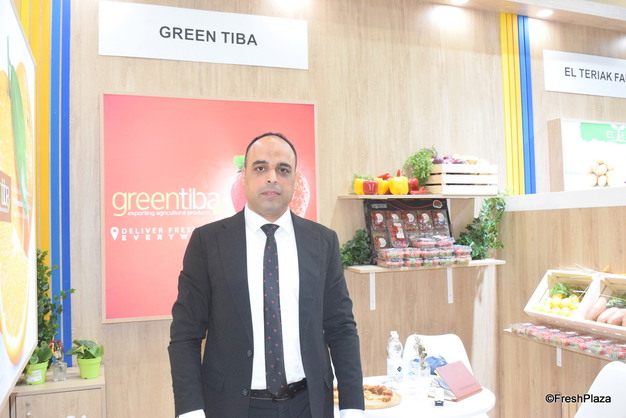
随着产量的增加,许多不熟悉出口市场最高残留限量目标的新种植者进入该行业,导致欧洲和英国市场对埃及草莓的控制更加严格。Shaalan 评论道:”遵守最大残留限量标准,以及水果处理、保质期和选择草莓采摘的关键时刻,是埃及种植者之间的差异所在。在 Green Tiba,我们很高兴我们成功地维护了客户的信心,而其他公司却在这个特殊的季节里举步维艰。”
“尽管面临所有这些挑战,我们仍然表现出色,出口量与上一季同期相比增加了 40%。这一结果证明,我们的草莓和我们的经营方式符合最高标准。”
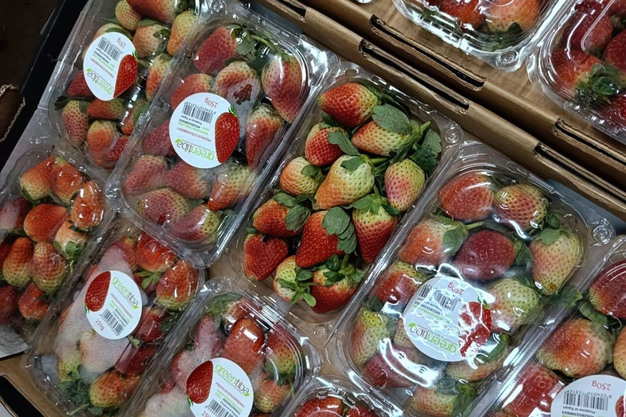
Shaalan 解释了他的成功秘诀:”我们的第一个优势是我们的草莓完全不含农药,符合全球质量控制标准。今年,我们还调整了包装和标签,以满足客户的不同需求。例如,我们推出了情人节主题的特殊包装和不同的标签选择,以满足不同的需求,因为马来西亚的批发商显然与德国或英国的超市有着不同的要求。”
“我们还采用了新的水果分拣和处理技术,以保证新鲜度和延长保质期。这使我们能够保持客户的信任,包括荷兰、德国和英国的超市。”
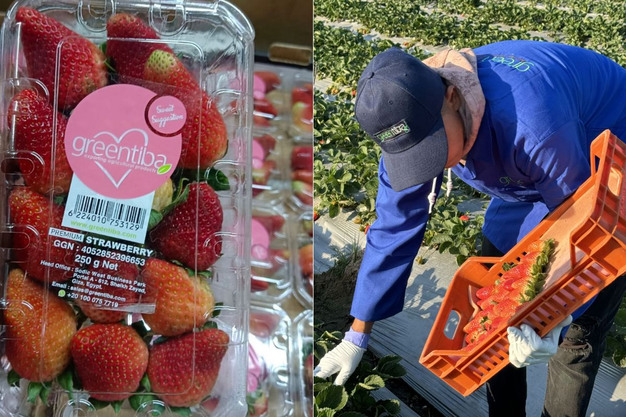
虽然生产商和出口商现阶段的趋势是转向冷冻领域,但 Shaalan 表示:”在 Green Tiba,我们将继续在本季后期出口新鲜的 Festival 和 Sensation 草莓,只要需求允许。也就是说,直到向欧洲出口的产季结束,然后再向俄罗斯、亚洲和海湾合作委员会国家的其他市场出口。”
欲了解更多信息,请联系:
Moustafa Shaalan
Green Tiba
电话:+201023332544
电子邮件:moustafa.shaalan@greentiba.com 发布日期: 2026年2月12日星期四
“Varietal adaptation is essential to remain competitive in international blackberry markets”Berryum Varieties by FreshPlaza
Mariana Ochoa Cordero, of Berryum:
“Varietal adaptation is essential to remain competitive in international blackberry markets”
Berryum is a varietal improvement program specialized in berries, based on the experience gained in blackberry production. Its aim is the development of varieties that can help face the productive, phytosanitary, and commercial challenges of the international market.
“Through systematic trials and advanced genetic selection methodologies, Berryum generates applied knowledge that serves as a reference for producers and technicians in the sector, helping consolidate quality, productivity, and sustainability standards in the berry industry,” says Mariana Ochoa Cordero, genetics and nursery director at Berryum Varieties.
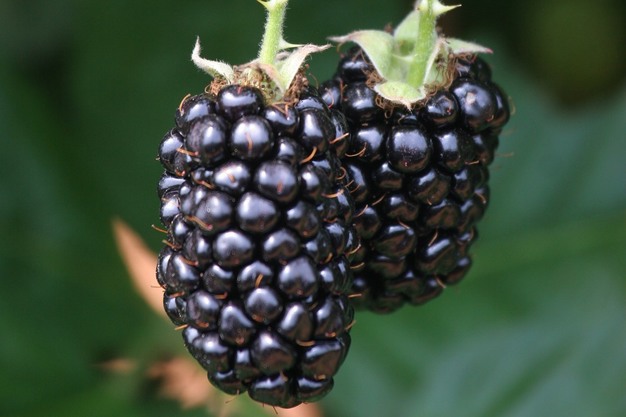
According to Mariana, trials conducted by Berryum show how blackberry production is being transformed by genetic diversification and varietal improvement. “In the face of increased sanitary pressure and growing phytosanitary restrictions, the varieties developed allow year-round harvests, with an average yield of 7.8 kg/ml. The transition from longcane to primocane systems, together with varietal innovation, shows that applied research doesn’t just offer one-off solutions, but constitutes a structural strategy capable of guaranteeing efficiency and sustained quality in production.”
“The results also show the successful adaptation of blackberry varieties to diverse conditions, from Spain and Portugal to Morocco, Italy, and Mexico,” she says. “This shows the importance of taking into account climatic, logistical, and consumption differences. A variety won’t deliver the same results in all countries, and it’s essential to work with local growers beforehand to optimize its performance. This adaptability allows growers to better plan their harvests, keep quality consistent, and extend seasonal availability, all essential to be able to compete in international markets and minimize losses due to pests or adverse weather conditions.
Varietal improvement also reduces dependence on chemical treatments, helps extend the fruit’s shelf life, improves its organoleptic characteristics, and increases its commercial value. “In this sense, our trials show that applied genetics makes it easier for Spanish blackberries to compete in different places worldwide without quality or yields being compromised. The quick response to phytosanitary issues and market developments facilitated by these trials has become a critical factor in keeping the sector competitive and resilient,” says Mariana.
Although most trials focus on blackberries, Berryum applies similar approaches to raspberries and blueberries. “We optimize production cycles, pest resistance, and fruit quality, thus strengthening our leading position in varietal innovation in the berry sector, and not just with a single crop,” says Berryum’s genetics and nursery director.
The international relevance of these trials also highlights Spain’s role as a driver of innovation. “Genetic diversification and adaptation to different climates allow European and North African growers to have a year-round fruit supply, while expansion into markets such as Mexico and the United States shows how applied innovation can respond to different production environments and commercial demands. This strategy is giving a boost to the supply of high-quality blackberries and is also contributing to optimizing the carbon footprint, prioritizing production close to consumer markets,” says Mariana.
“Overall, the results of our trials show that genetic diversification and varietal improvement are key tools to tackle phytosanitary challenges, maximize productivity, and adapt to different international markets. The technical evidence obtained confirms the relevance of applied innovation in berries and is allowing Berryum to consolidate its position as a sectoral leader and source of knowledge for producers and professionals in the international market,” says Mariana Ochoa.
 For more information:
Mariana Ochoa Cordero
Berryum Varieties
Tel.: +34 618 424 298
mochoa@berryneo.com
www.berryum.es Publication date: Mon 9 Feb 2026
Raspberry: A strategic option to expand Peru’s agro-export offerings Ministry of Agrarian Development and Irrigation of Peru by FreshPlaza
Raspberry: A strategic option to expand Peru’s agro-export offerings
Raspberries are emerging as an important crop in Peru’s efforts to diversify its fruit production. Agromercado, an entity affiliated with the Ministry of Agrarian Development and Irrigation (Midagri), highlighted this during the webinar “Commercial trends of raspberry cultivation in Peru,” which analyzed the international market and opportunities for this high-value berry.
According to data, global raspberry production reached 920 million tons in 2024, driven by steady growth from the main producing countries: Russia, Mexico, Serbia, the United States, and Poland.
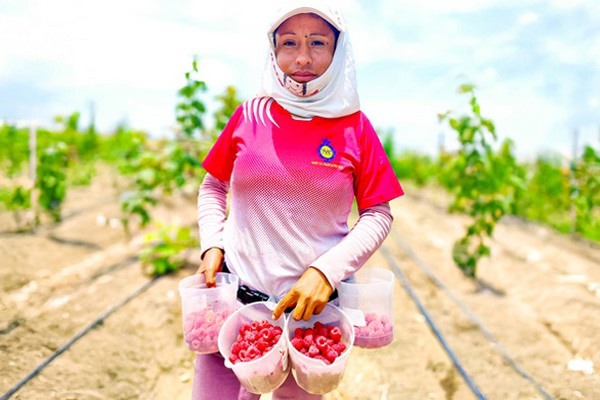
This dynamism is also evident in the international trade of frozen berries, which, under tariff heading 081120, covering raspberries, blackberries, and currants, generated approximately 1.251 billion dollars in the same year.
The European Union remains the main consumer market. Germany, for instance, records a per capita consumption of about five kilograms of berries annually, and demand continues to grow. This creates opportunities for exporting countries that can ensure quality, consistent supply, and adherence to sanitary standards.
In this context, raspberries stand out not only for their commercial appeal but also for their nutritional profile, which features high levels of antioxidants, fiber, and vitamin C. Additionally, they align well with the healthy eating preferences of European consumers.
Peru primarily exports frozen raspberries. According to Agromercado, 95% of shipments go to the United States and 5% to Chile, which indicates there is significant potential for diversifying destinations, especially toward the European Union.
Although the crop is still in early stages compared to established berries like blueberries, Midagri emphasized that its potential relies on scaling production, organizing supply, and meeting market demands for volume, continuity, and logistics.
The country’s top agro-exporters have shown interest in adding raspberries to their offerings, primarily for export as frozen products, pending industrial testing. They are drawn to the advantages, such as a six-month production cycle, a shelf life of up to 15 years, and high yields per hectare.
In addition, it allows a dual commercial orientation: fresh and value-added products for domestic consumption, and frozen products for export.
The webinar organized by Agromercado delivered a compelling message: raspberries are a strategic opportunity to boost Peru’s agro-export supply with high-value products and increase global demand.
For more information:
Ministry of Agrarian Development and Irrigation (Midagri)
www.gob.pe Publication date: Mon 9 Feb 2026
“In the face of fierce competition, differentiated, high-quality strawberry varieties are standing out” in China by FreshPlaza and Dandong Shengye Berry Professional Cooperative
“In the face of fierce competition, differentiated, high-quality strawberry varieties are standing out”
China is currently in peak strawberry season, and the second crop of frozen seedlings from Dandong is gradually entering the market, with both supply and demand rising simultaneously. Compared with previous years, overall strawberry market prices are lower this season, while purchase prices for greenhouse-grown strawberries are about 10%–12% higher year on year. Mr. Ma Tingdong of the Dandong Shengye Berry Cooperative shared insights on the current market situation.
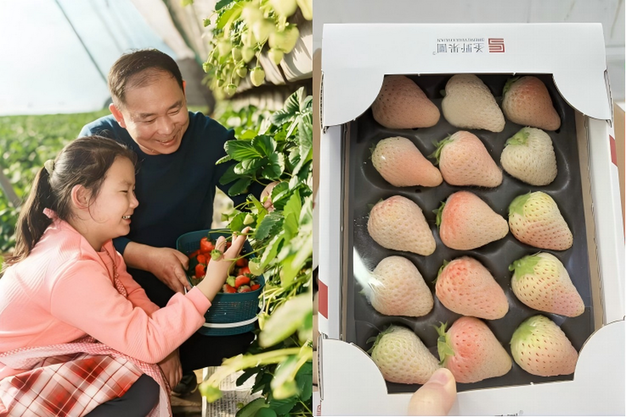
“The increase in strawberry prices at the production level in Dandong is driven by several factors. First, due to the poor strawberry market last year, some growers shifted to blueberries, resulting in a reduction in strawberry planting area. Second, improvements in frozen seedling technology have enabled Dandong strawberries to enter the market earlier, avoiding direct competition with southern producing regions and supporting higher purchase prices for early fruit. In addition, positive coverage by CCTV has helped correct public misconceptions about strawberries, while continuous improvements in varieties and flavor have further strengthened market confidence.”
“At the same time, we are seeing a price inversion between production-area prices and market prices. This is mainly because the recent boom in the strawberry market has attracted a large number of new suppliers. Intensifying competition has pushed retail prices down, squeezing profit margins for many traders.”
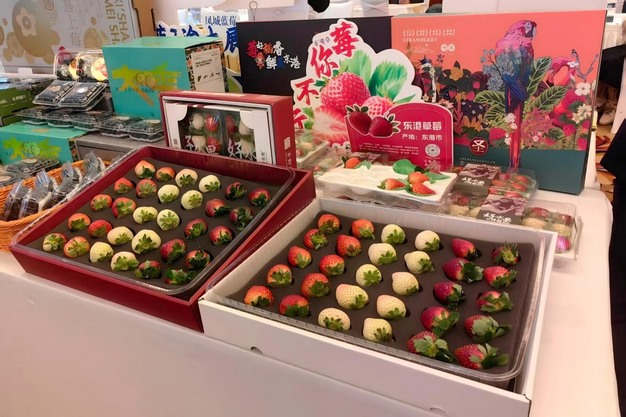
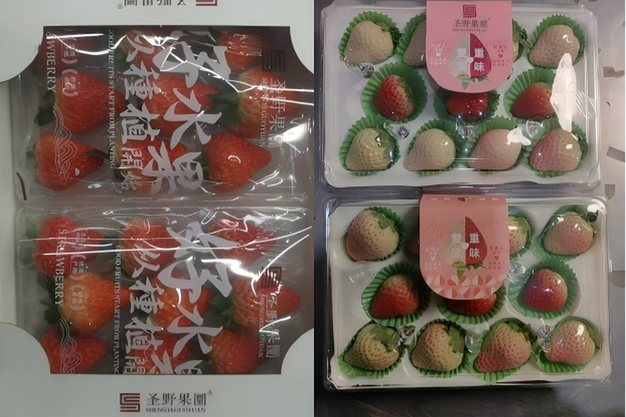
In terms of varieties, high-quality, differentiated specialty strawberries are increasingly standing out. “White, pink, and black strawberries, along with other multi-colored varieties, command significantly higher prices than traditional red strawberries and are gaining popularity. Black strawberries, in particular, have seen notable increases in both demand and price due to their rarity and high sugar content. However, because of their lower yields and more complex cultivation requirements, the expansion of black strawberry planting remains relatively slow.”
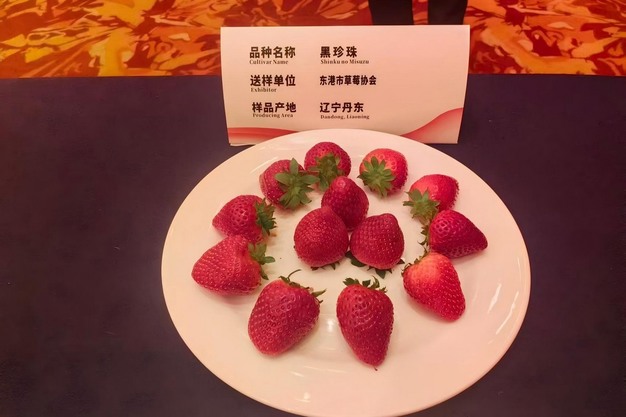
According to Mr. Ma, the strawberry industry continues to optimize through the upgrading of facility agriculture and the expansion of e-commerce channels. “Strawberry quality this season is overall very good, especially for early fruit. At the same time, market differentiation is becoming increasingly evident. Growers with refined management and superior fruit quality continue to enjoy strong demand despite higher prices, while those focused primarily on volume with poorer quality are facing pressure on both prices and sales. Consumers are becoming more demanding in terms of appearance, flavor, firmness, and aroma, further intensifying this differentiation, which is particularly pronounced this season.”
Regarding exports, Mr. Ma noted that Dandong’s strawberry export volume is roughly unchanged from previous years, but price competition has intensified, especially from large enterprises. “Pressure from the Hong Kong market is the most pronounced. Southeast Asian and Russian markets remain relatively stable, although prices in Russia are also lower than last year. Strong demand in the Russian market has attracted more exporters, which has affected pricing this season.”
“Differentiated products also have a clear advantage in export markets. Although the export volume of multi-colored strawberries is not large, profit margins are relatively good. This year, Dandong’s planting area for multi-colored strawberries has doubled compared with last year.”
“High-quality, differentiated strawberries will continue to be favored by the market, with relatively mild price competition. Looking ahead, more industry participants are expected to cultivate or cooperate on varieties with intellectual property rights to avoid homogeneous competition,” Mr. Ma added, sharing his observations on industry trends.
As for the pre–Chinese New Year market outlook, Mr. Ma said it remains uncertain. “The final trend will depend largely on the performance of competing holiday fruits such as cherries and blueberries, as their price movements directly influence strawberry sales. That said, demand in the gift market is currently strong, and differentiated, high-quality strawberry varieties are expected to have better opportunities.”
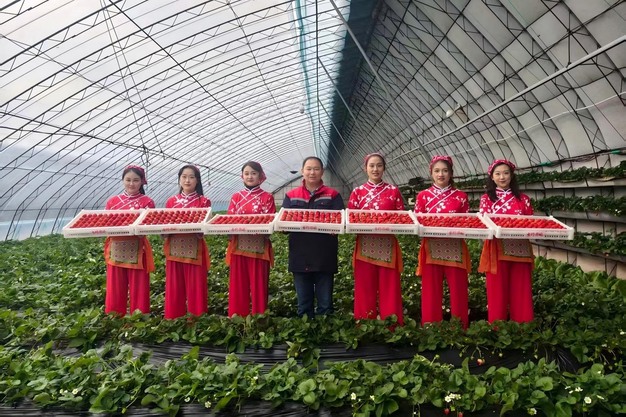
The Dandong Shengye Berry Cooperative operates approximately 800 hectares of orchards under the brand, Shengye Guoyuan. Its products include strawberries, blueberries, and kiwifruit, which are sold both domestically and in export markets.
For more information:
Ma Tingdong
Dandong Shengye Berry Professional Cooperative
+86 18342549777
syjgmtd@163.com Publication date: Tue 3 Feb 2026
Organto Foods appoints Chad Hagen to board by FreshPlaza
Organto Foods appoints Chad Hagen to board
Organto Foods has appointed Chad Hagen to its board of directors, effective January 27, 2026. He replaces Alejandro Maldonado, who resigned from the board effective January 26, 2026.
The company, which operates in the natural and organic food sector, is headquartered in Vancouver, British Columbia, and Breda, the Netherlands. Steve Bromley, chair and co-CEO of Organto Foods, thanked Mr. Maldonado for his contributions following his departure.
Mr. Hagen has more than 30 years of experience across the food, beverage, and fresh produce industries. He currently serves as chief commercial officer at Sojo Industries, a U.S.-based company providing packaging and logistics solutions using robotics and software. Prior to this role, he spent 17 years at SunOpta Inc., where he held several commercial and customer-focused positions, most recently as chief customer officer.
Earlier in his career, Mr. Hagen worked for more than a decade in the organic fresh produce sector, with roles at Robinson Fresh, Newman’s Own Organics, Cape Organics, and Pavich Farms. His work included brand development and supply chain operations across more than 15 countries. He holds a Bachelor of Science degree in agricultural business from California Polytechnic State University, San Luis Obispo.
Following the board change, Organto Foods’ board remains composed of six directors, four of whom are considered independent. The remaining two are classified as non-independent due to their roles as officers and consultants of the company.
In connection with Mr. Hagen’s appointment, the company granted 100,000 stock options with an exercise price of US$0.85 per share, expiring on January 26, 2031, as well as 75,000 restricted share units. The stock options vest in stages, with 25 per cent vesting immediately and further portions vesting every six months. The restricted share units vest over a three-year period.
Organto Foods also provided an update on its digital marketing services agreement with Machai Capital Inc. The agreement, originally announced in November 2025, was amended and restated on December 22, 2025. Under the revised terms, Machai will provide digital marketing services, including branding, content optimisation, and search engine marketing, from January through December 2026 for a base fee of US$200,000, excluding GST.
As part of the amendment, 200,000 previously issued stock options to Machai at an exercise price of US$0.58 were cancelled and replaced with 200,000 new options at an exercise price of US$0.67. These options vest quarterly over one year and expire on December 22, 2027.
 For more information
John Rathwell
Organto Foods
Email: john.rathwell@organto.com
www.organto.com Publication date: Wed 28 Jan 2026
By PromPerú and FreshPlaza
Peruvian blueberry exports increase, managing distribution is crucial to prevent price drops
PromPerú
Peruvian blueberry exports increase, managing distribution is crucial to prevent price drops
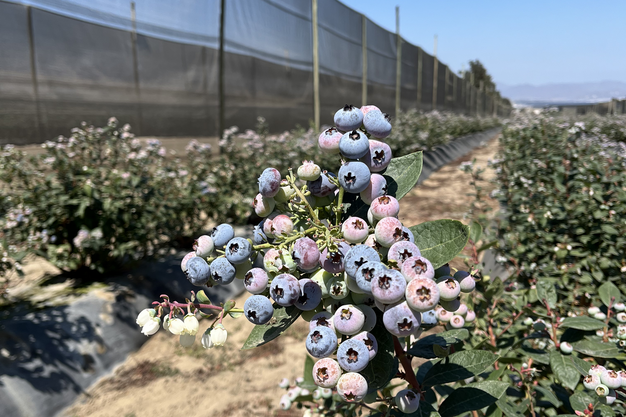
The Peruvian blueberry season is centered in the United States and Europe.
“The Peruvian blueberry season 2025/26 is advancing steadily, with evident signs of increased competition in the key destination markets. By the end of week 2, Peru had exported 347,105 tons, a 20% rise from the previous season,” according to ProArándanos data derived from Senasa figures.
This increase in volume confirms the trend seen in recent seasons: a growing supply, which means shipments must be managed more carefully. “As noted in previous market analyses, price impacts are not solely due to total seasonal volume but also to the concentration of fruit within very short windows, which can create immediate pressure on the markets,” they stated.
“The United States remains the leading destination, accounting for 47% of total exports with 163,651 tons. Europe follows with 96,630 tons (28%), and China with 44,304 tons (13%). Europe, in particular, stands out with a 35% increase compared to last year, strengthening its position as a crucial market for diversifying export destinations,” PromPerú stated.
“The region of La Libertad leads shipments with 49% of the total volume, followed by Lambayeque and Ica. This regional growth has been accompanied by a strong focus on maritime transport, which now accounts for 96% of shipments, reflecting improvements in logistics and planning. However, air transport remains important for certain niches,” they stated.
The increased availability of fruit has heightened competition among different origins in international markets. Recent experience shows that a structured weekly volume distribution is crucial to prevent sharp price drops during peak production periods across multiple countries.
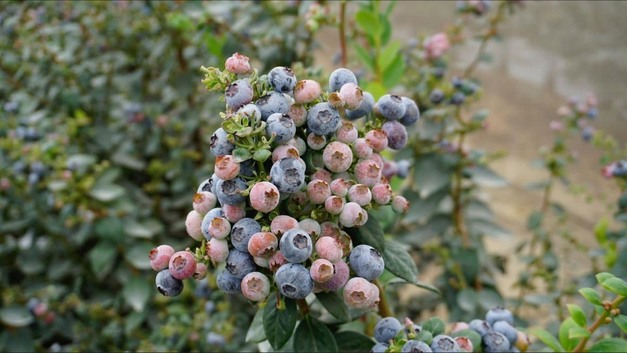
PromPerú is promoting a growth strategy centered on commercial planning, volume management, and diversification of destinations. The 2025/26 season emphasizes a structured approach to entering international markets, with a focus on commercial sustainability and competitiveness.
In early February, PromPerú is organizing a trade mission in the run-up to Fruit Logistica. Activities will take place in Rotterdam, Europe’s leading agri-food hub, on February 2 and 3. Eight export companies will participate in business meetings, visit the Port of Rotterdam, distribution centers, and supermarkets to better understand logistics processes, consumer behavior, and commercial potential.
The delegation will then travel to Berlin to participate in Fruit Logistica 2026 (February 4-6). Peru will be represented in the national pavilion and networking areas with international buyers, aiming to strengthen the position of its agro-export offerings in Europe.
 For more information:
PromPeru
Tel: +51 979 367 355
Email: agro@promperu.gob.pe Publication date: Tue 27 Jan 2026