Archive

Peru anticipates increasing asparagus exports to the U.S. by 15 percent by FreshPlaza and Peruvian Asparagus Importers Association
Peru anticipates increasing asparagus exports to the U.S. by 15 percent
It’s peak season for asparagus from Peru. While the product is brought into the U.S. market year-round, supply typically peaks from September or October through January. “The outlook is positive as growing conditions have generally favored healthy crops this season,” says Priscilla Lleras, Executive Director of the Peruvian Asparagus Import Association (PAIA). “Mild temperatures have supported steady asparagus development and current projections suggest a robust year, potentially exceeding last year’s import volumes.” Quality has also been reported as consistently high with Peruvian exporters focusing on exceeding standards to meet U.S. quality demands.
The U.S. continues to be the primary import destination for fresh Peruvian asparagus with additional markets including Canada and several European countries. The 2025 season is anticipated to conclude with an estimated 15 percent year-over-year growth.
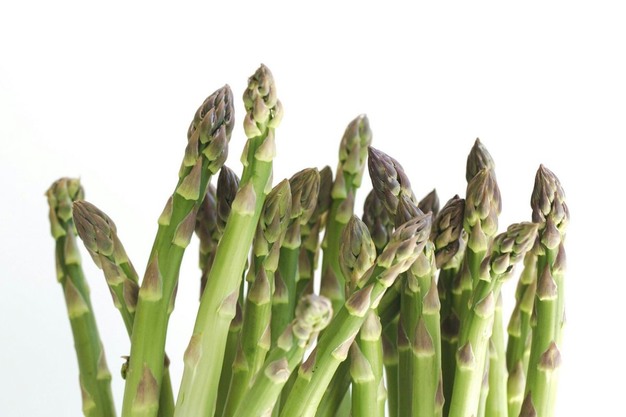
During Peru’s peak season, the availability of other regions imported asparagus does not present competition from October to December. Conversely, regions such Mexico and Peru supplement the fresh asparagus market during those periods of high consumer demand, effectively complementing supply rather than competing.
Peru’s reliable supply chain and strong logistical infrastructure help maintain its competitive edge to the U.S. meet demand. Despite the occasional disruptions due to port strikes or labor shortages, such issues may cause temporary delays, however the overall distribution ensures that Peruvian asparagus remains available in U.S. markets from early autumn through mid-winter, providing U.S. consumers with fresh asparagus for an extended period each year.
 For more information:
Priscilla Lleras
Peruvian Asparagus Importers Association
Tel: (+1) 817 – 793 -3133
priscillaprestige@outlook.com
www.peruvianasparagusimportersassociation.com Publication date: Wed 29 Oct 2025
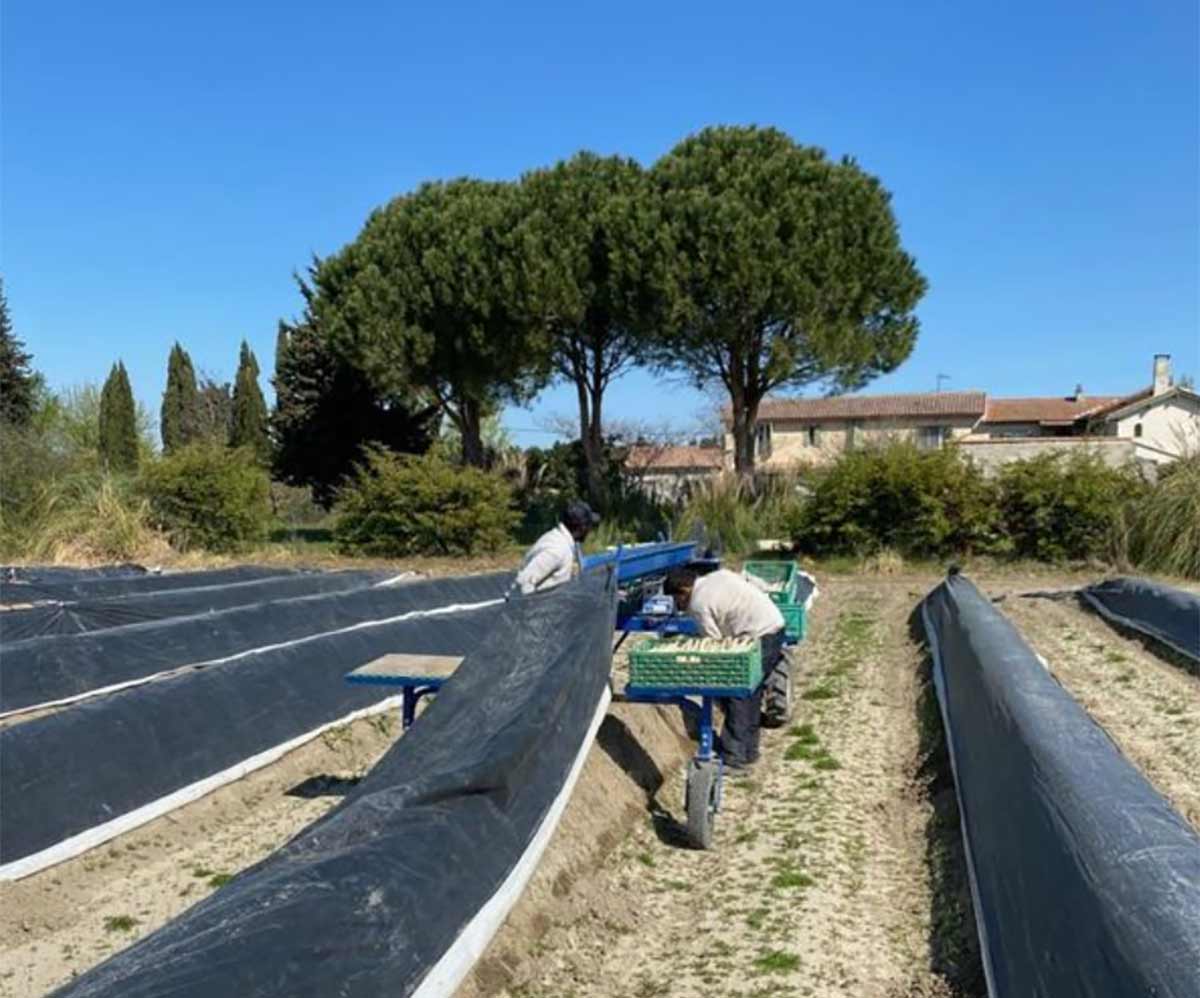
4 used Engels machines to help harvest green or white asparagus from Le Bon Coin
Management with social contributions, spreading by drone, learning by Fruits and Vegetables
A YouTube video on white and green asparagus in France and Germany, it is a very complete Arte document which talks about the origin, the benefits of asparagus but also its cultivation and its packaging without forgetting of course its recipes
The Sierra de Yeguas Asparagus Fair returns with new features on April 26 and 27 Las 4 Esquinas The talk will be given by Christian Befve, consultant and one of the world’s leading specialists in the cultivation of white and green asparagus

The “Sauvons les Fruits et Légumes de France” Collective criticizes Lidl “Today, the retailer is once again waging a price war” – especially on asparagus and strawberries by FreshPlaza
“The days when Lidl stood out for respecting French producers are long gone,” states the Sauvons les Fruits et Légumes de France collective, which accuses the German discount retailer of “reviving the price war.” This shift is directly linked, according to the group, to the departure of Michel Biero.
“Today, Lidl is once again waging a price war”
“Today, the retailer is reigniting the price war, with the major risk that its competitors will follow suit—completely disregarding the strong commitments made at the Agriculture Fair regarding French origin and fair producer compensation.” The group highlights examples like apples, cucumbers, and strawberries.
“In the apple category, not a single kilo should leave the packing stations at under €1. Yet RNM price listings show that entry-level items (like 2 kg bags) have been dropping since the beginning of the season and are now 10% below last year’s prices. For strawberries, during Easter week—despite insufficient supply—Lidl is demanding price cuts of over €0.20 per kilo compared to its competitors. For cucumbers, the same low-cost strategy is in place, and even comes with the threat of imports. Producers are seriously concerned about Spanish cucumbers appearing on the shelves very soon,” says the collective, which calls on consumers to stay alert:
“Low prices don’t support farmers. Imports are killing them.”
“As soon as Michel Biero left, Lidl abandoned its commitments to French origin”
“The departure of Michel Biero from Lidl raised concerns among upstream fruit and vegetable players about worsening purchasing practices harming producers,” the collective notes. For years, Lidl, through its (former) leader Michel Biero, had worked with French producers through sector agreements, tripartite contracts in certain categories, and a focus on French origin in the fresh produce section, including defined roadmaps. These concerns, the collective says, are now proving justified:
“Our producers are paying the price for Lidl’s renewed desire to wage a price war.”
Lidl targeted by protesting farmers in the Gard region
Yesterday on its X (Twitter) account, the collective shared the action carried out by farmers in Gard against a Lidl store. “Barely three months after his departure, @lidlfrance has already forgotten the wise commitments of its former president in favor of French food sovereignty.”
At the call of the Gard branch of the FDSEA, local farmers gathered on Tuesday morning in front of the Lidl store in Bagnols-sur-Cèze, dumping dozens of kilos of asparagus. Their goal: to denounce the sale of low-cost Mexican asparagus and Spanish strawberries.
Green asparagus is driving consumption in France, particularly among younger people. While more popular than white asparagus, it unfortunately only accounts for 5% of the volume produced in France. Why? A look at the situation with producers Christophe Paillaugue and Guillaume Thomas.
Lire l’article de Julia Commandeur « Pourquoi produire de l’asperge verte en France est un enjeu autant qu’un challenge ? »
sur le site Réussir Fruits et Légumes FLD :
Spain is expected to produce 60,000 tons of green asparagus this year. But recent rains and flooding have hampered forecasts. Producers in Guadalajara are already reporting losses of 15%.
Lire l’article de Julia Commandeur «
sur le site Réussir Fruits et Légumes FLD :