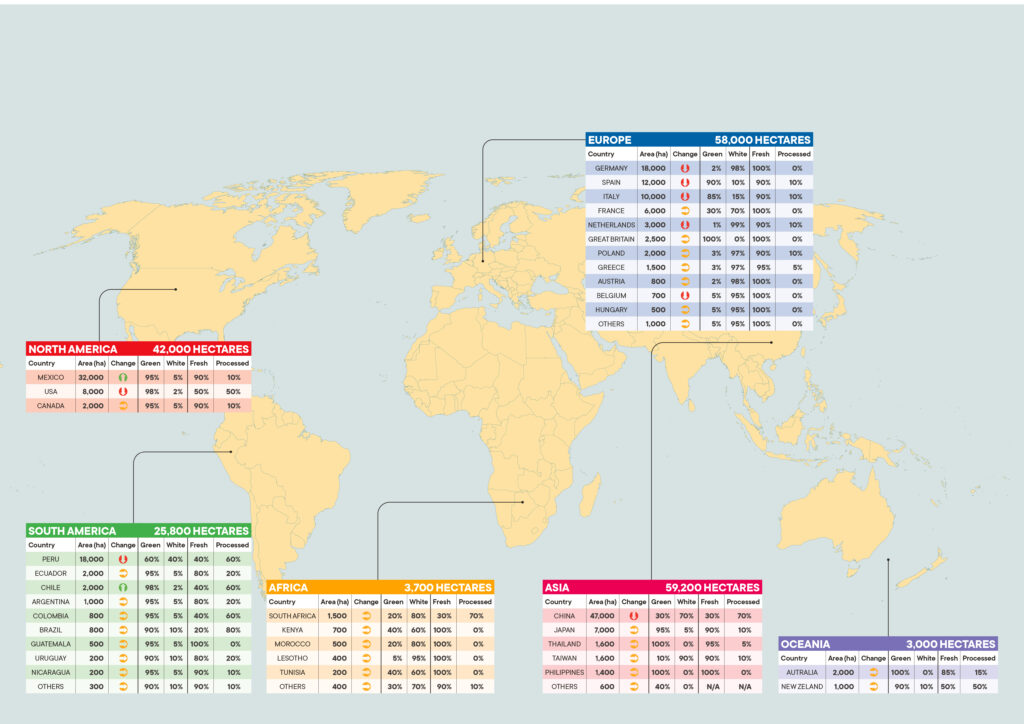
The worldwide asparagus area has fallen below 200,000 ha after a peak of 280,000 ha

Euro Green Tech presented its latest creation: the EGT-ASPARAGO SE electric harvester. The EGT-ASPARAGO SE offers a working autonomy of 16 hours, significantly reducing the environmental impact compared to traditional combustion engines. The ergonomic and efficient design of the machine ensures that the operator can work comfortably seated, adjusting both the seat height and the distance from the control pedals. the EGT-ASPARAGUS SE ensures precise and efficient harvesting, reducing waste and maximizing crop yield. The front-wheel drive and electric steering improve the machine’s grip on the ground and maneuverability. Euro Green Tech also presents the EGT-ASPARAGUS SM, the versatile counterpart of the EGT-ASPARAGUS SE. with the EGT-ASPARAGUS SE and the EGT-ASPARAGUS SM, Euro Green Tech offers advanced solutions that meet the needs of modern farmers, while promoting more sustainable and responsible agricultural practices.

Hermeler, an asparagus specialist manufacturer, proposed a ridger specially built for SIVAL and intended for the wide-spaced asparagus crops set up by some French asparagus growers. The Leofan 56 ABB, a variation of the Leofan 56, has a rotor distance of 1.80m. It allows the creation of a higher and, above all, wider mound suitable for asparagus groves planted in double rows.
Hello Nature offers Laphrassea, a source of organic matter obtained by the digestion of plant matter by insect larvae. Laphrassea makes it possible to meet the requirements of crops throughout their growth cycle thanks to the gradual release of nitrogen (N=3%), and to sustainably improve soil fertility thanks to the high potential for humus creation (75% organic matter). Laphrassea stimulates the microbiological activity of the soil through the presence of beneficial bacteria and chitin. Chitosan is considered a primary substance and can be used in organic farming. It claims to function as an “Elicitor with fungicidal and bactericidal effects by means of the stimulation of the plants’ natural defence mechanisms”.

One of the best results granted by Algas Pacific’s products is the 15% to 32% increase in asparagus root mass. Specialized in marine science and plant biostimulation, Algas Pacific has developed innovative algae solutions for sustainable agriculture proving efficiency of application at asparagus crop’s stages: establishment, growth, and harvest. In 12 years, results have shown: better rooting; 10% to 23% increase in yield; harvest precocity; better resistance to stress and diseases; and up to 18% greater size, caliber and weight of shoots. For Algas Pacific, customized programming and technical assistance are the key for achieving these results.

A healthy and strong root system is essential to ensure a high quality and yield of asparagus. Recently in asparagus in Europe and for many years in various crops (such as berries, grapes, avocado) in other continents, Innovak Global has introduced an efficient technique to evaluate root quality with the use of the minirhizotron camera Zuzunaga-Rosas et al., 2024). Currently, a trial is about to begin with asparagus on asparagus installed on land at the Darbonne nurseries in Le Barp, using Pfenery technology based on polyphenols of plant origin where a new root observation system called “Rhizobox” will be tested.

Walker Brothers joined forces with Professor Motoki and his team from Meiji University in Japan to select new varieties using the One-year Whole Harvest Cultivation Method. One of the new hybrids, WB212 produce the highest marketable yield when cultivated using the One-year Whole Harvest Cultivation Method. As a result, the Walker Brothers Team has decided to set up a demonstration trial at their home base in New Jersey this spring. Domestic and international growers are expected to be able to visit the demonstration fields in New Jersey shortly.

Huon offers the Revival to achieve optimal asparagus growth. This organic fertiliser based on aerobic composted farm manure and enriched with Trichoderma harzianum (AMM N°1220086) has the property of colonising the inter-root space, boosting the microbial life of the soil and enhancing organic matter. By optimising the breaking down of organic matter optimal regulation of nutrient inputs is ensured.

With its LOS MONTEROS brand, Centro Sur only sells products with the PGI Asparagus de Huétor Tájar label, a distinction awarded for its excellent quality. In 2024, the company is off ering larger canned asparagus, a crunchier texture, and a milder, fruitier fl avour making it one of the most delicate asparagus varieties. Centro Sur also sells frozen green asparagus using a sustainable freezing process from renewable energy.

As a specialist distributor, Agrivaloire is expanding its range by offering the new ridge moulding machine from Engels Machines, Tenrit Foodtec peelers, as well as knives and gouges. The EcoSpader 2030 is an innovative asparagus ridger that offers significant labour savings as well as greater respect for the soil and the environment. Distributed in France by Agrivaloire, the EcoSpader maximises the productivity of pickers and reduces the risk of musculoskeletal disorders. Agrivaloire is also the official distributor in France of Tenrit’s Asparagus range and offers new and used peelers, including the Tenrit SOLO A, a reference in the field of asparagus peelers.

Europlastic continues to innovate.This season a new thermal fi lm was developed by Europlastic. This new highly transparent fi lm, thanks to its light optimizing surfactant principle, allows a greater and faster heating of asparagus mounds. Condensation inside the tunnel is limited, promoting greater light transmission especially at the level of infrared rays that provide calories. A very early and very fast start of production was observed this season at the beginning of production with the use of these 2 films (one film placed directly on the mound and another on arches). Very promising results for future seasons.

If you’ve noticed fungal lesions on your asparagus during harvest: it’s time to take back control of the situation. GAIA SOL contains a synergistic combination of beneficial microorganisms: Bacillus amyloliquefaciens & Trichoderma harzianum. Medinbio recommends using GAIA SOL at the end of the harvest with strong irrigation for a perfect impregnation of the soil and to produce metabolites favourable to soil remediation.
Asparagus World : What are the pros and cons of drip irrigation ?
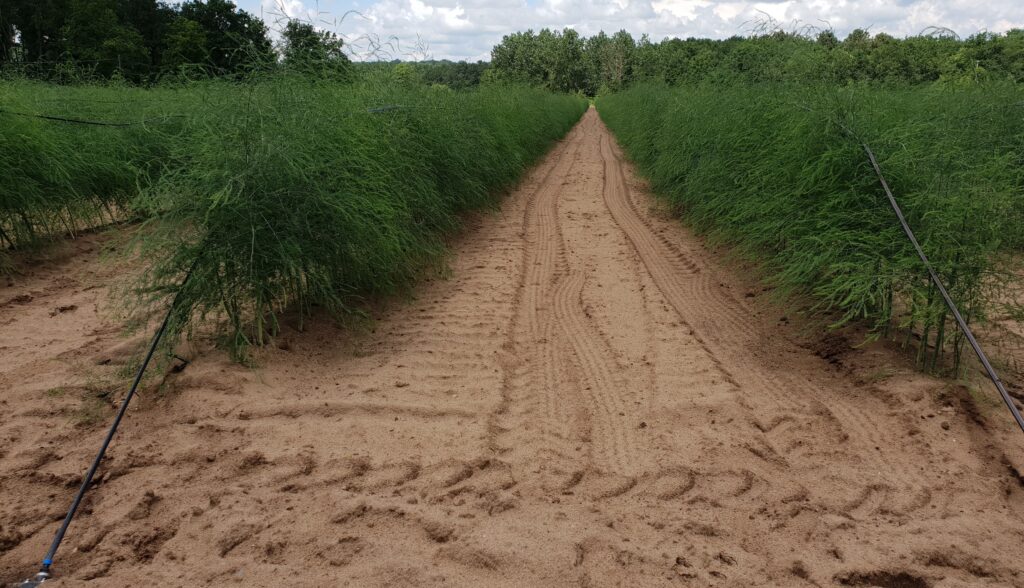
Jean-Michel Bourrousse : Drip irrigation is first and foremost a means of water conservation. The volume of water supplied can be up to 50% less than with the sprinkler method which suffers loss due to evaporation. The drip irrigation system also makes it possible to control and localise fertilisation. On the other hand, drip irrigation requires more technical expertise and monitoring of intakes. Drip piping can be buried, laid on the surface, or placed in foliage. The buried drip pipe, under the crown, is only used in heavy soils (clay, silt) which allow water to rise by capillary action at the level of the roots. For sandy and well-drained soils, the drippers should be placed on the ground or slightly buried (5 cm). The objective is to moisten a layer from 0-70 cm deep.
AW : What are the constraints on use?
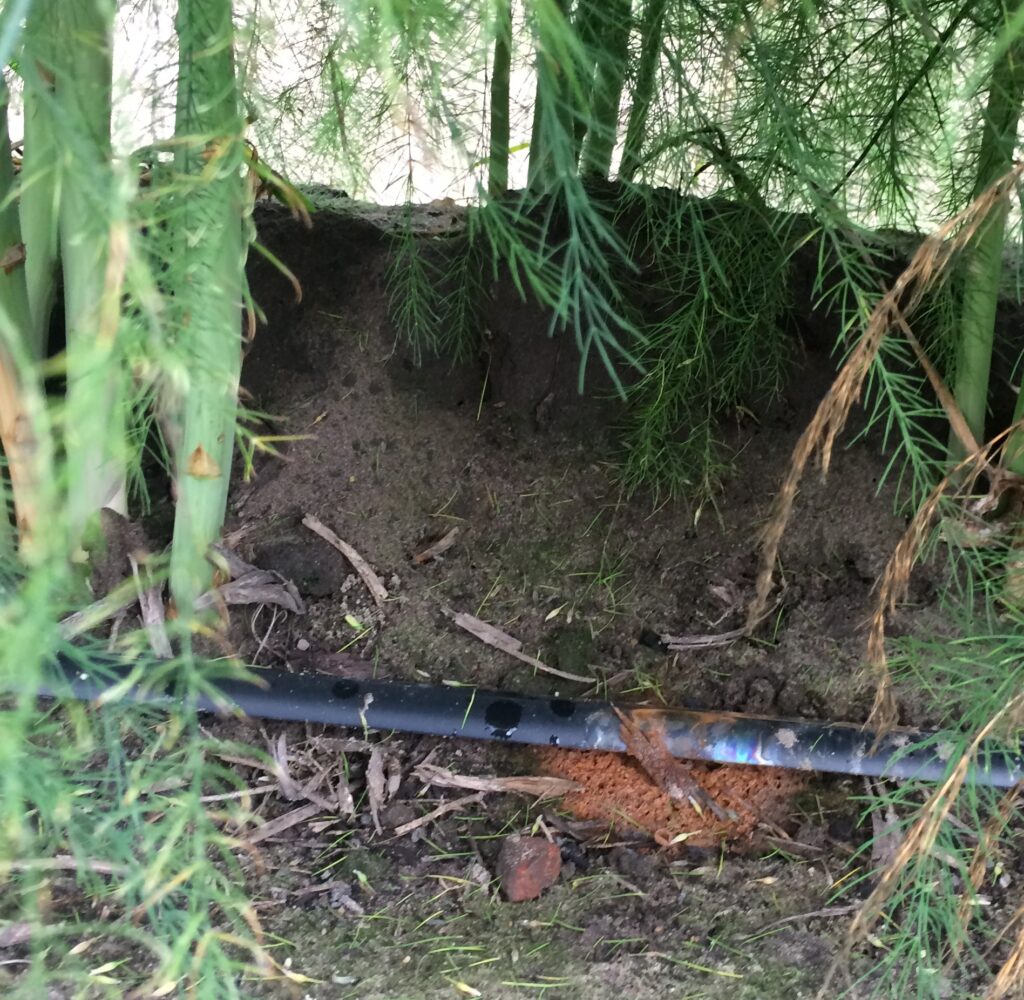
J-M. B. : Drip irrigation requires a good level of technical knowhow and, above all, observation. You have to look in the soil and under the roots to check the moisture levels and gradients. Tensiometer probes are useful for this. The piping network must be checked because it can be degraded by insect larvae attacks (wireworms, etc.), birds and even small game. Water quality is also important. Usually, surface water (river, lake, etc.) is loaded with silt, algae and organic matter. Groundwater is, however, sometimes too high in calcium and iron. Drip irrigation therefore requires a good filtration system upstream of the installation and regular maintenance and checking of the network and piping.
AW : What are the rules for installing a drip system?
J-M. B. : The supply of water by drip can be achieved using recyclable piping (thickness of 200 micron) and renewed every year or using recoverable piping (1 mm thick) that can be used throughout the duration of the crop. Recyclable piping makes it possible to have new equipment every year but this can be more prone to damage. Recoverable piping is more robust but requires more maintenance.
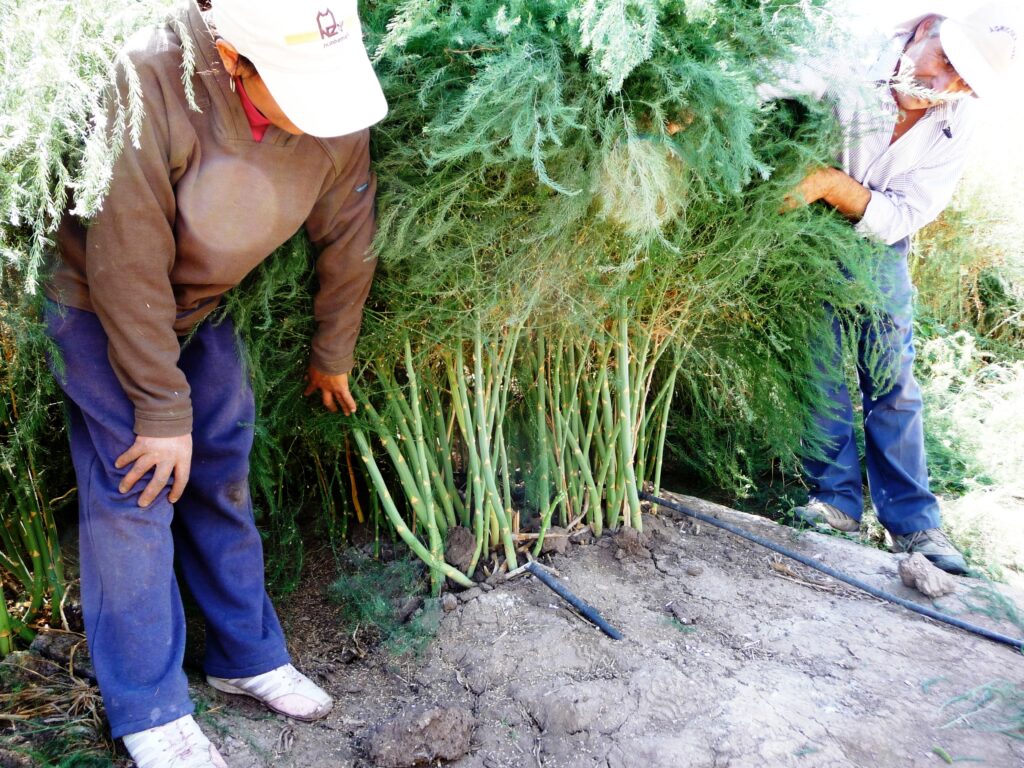
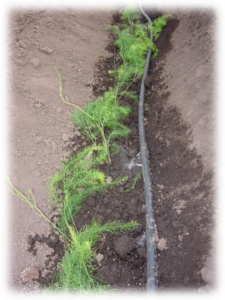
The number of irrigation lines depends on the nature of the soil and the number of planting rows, either 1 or 2. In silty clay, 1 line of drippers is installed beside the planting line. In sandy soil, it is essential to install two lines, one on each side. The piping is laid on the ground and slightly buried (5 cm). To avoid damage (insects, larvae, birds), the piping is sometimes installed in the foliage, which can lead to a less homogeneous distribution and to extra installation time. Once the installation is set up, it is very important to check the wet bulb formation at the roots and to monitor the moisture in the soil by visual observations (with an auger) and/or tensiometer probes.
Iron is dissolved in water in the form of ferrous oxide and is transformed into ferric oxide during pumping, an oxide that is suspended in the water in particles of 0.5 microns and more, the build-up of which will clog drippers.
Iron bacteria grow in an anaerobic environment. In contact with oxygen, the oxidation of iron and the death of bacteria cause the appearance of an orange gelatinous mass that may clog drippers. This contamination of iron-rich groundwater is difficult to precisely predict. However, above an iron (ferrous oxide) level of more than 1.5 ppm (1.5 g/l), an iron removal plant should be installed.
Various sand filter methods can be used. The most effective is the injection of air into an oxidation tower and then filtration of the ferric oxide particles either via a sieve or disc filters or, better still, sand filters with automatic backwash. Sand filters are preferable for long-term drip installations. It should be noted that their use significantly raises the pH of the water, something that needs to be taken into account for ferti-irrigation. Successive waterfalls and settling in a basin before pumping and filtration are also a possible solution. Injection of caustic soda (aqueous solution of sodium hydroxide) is also possible. In short, In the presence of iron, the operation of drip irrigation requires increased vigilance and high-performance equipment to ensure the efficiency and sustainability of the installation.
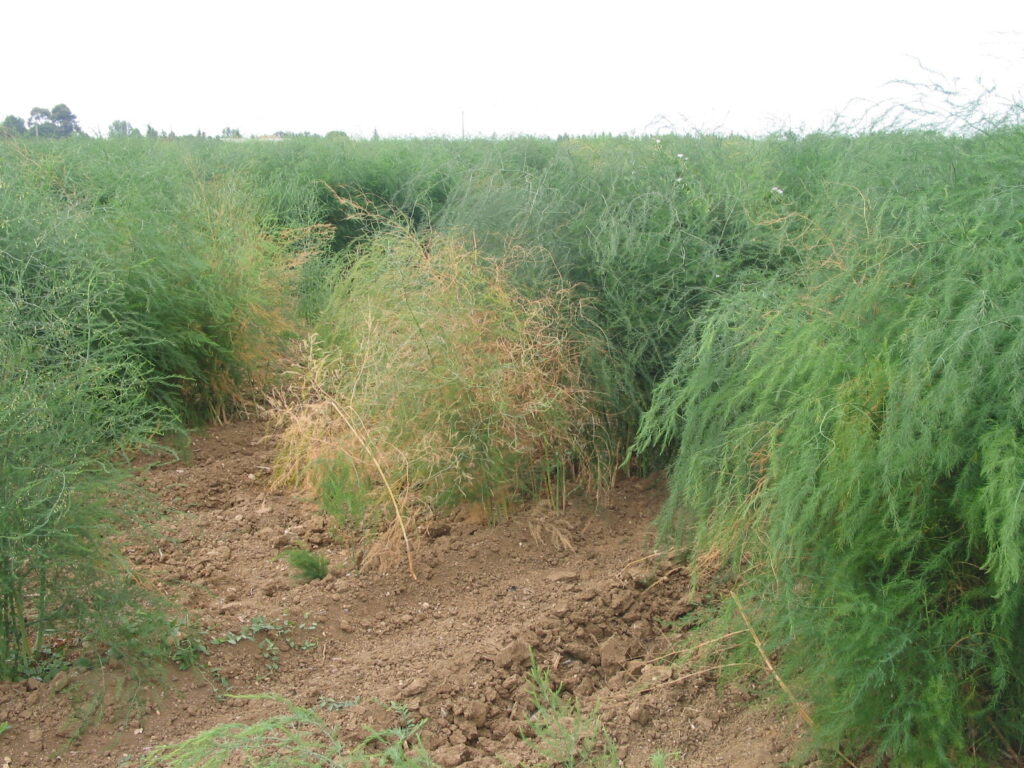
Like all plants, asparagus is largely composed of water. If you need convincing, all you have to do is cut a spear to see a droplet appear in less than a minute. Nevertheless, “when it comes to providing it with this vital element, it is not necessary to give it a bath, because it hates soaking its feet in the water. It prefers a shower,” says international consultant Christian Befve. Indeed, the plant seems to dread stagnation at root level. This is why asparagus likes well drained soils. And even if the size of its root system can lead one to believe that this plant is adapted to, or even resistant to drought, its water needs are actually significant. The needs of asparagus are close to the PET (potential evapotranspiration). In temperate climates in the Northern Hemisphere (Europe, North America), this represents 400 to 500 mm from the end of April to mid-September. This is because the plant fears water stagnation at the root level. This is why asparagus likes well drained soils. However, its water needs are significant. Even if the size of its root system can lead one to believe that this plant is adapted, or even resistant, to drought. The needs of asparagus are close to the PET.

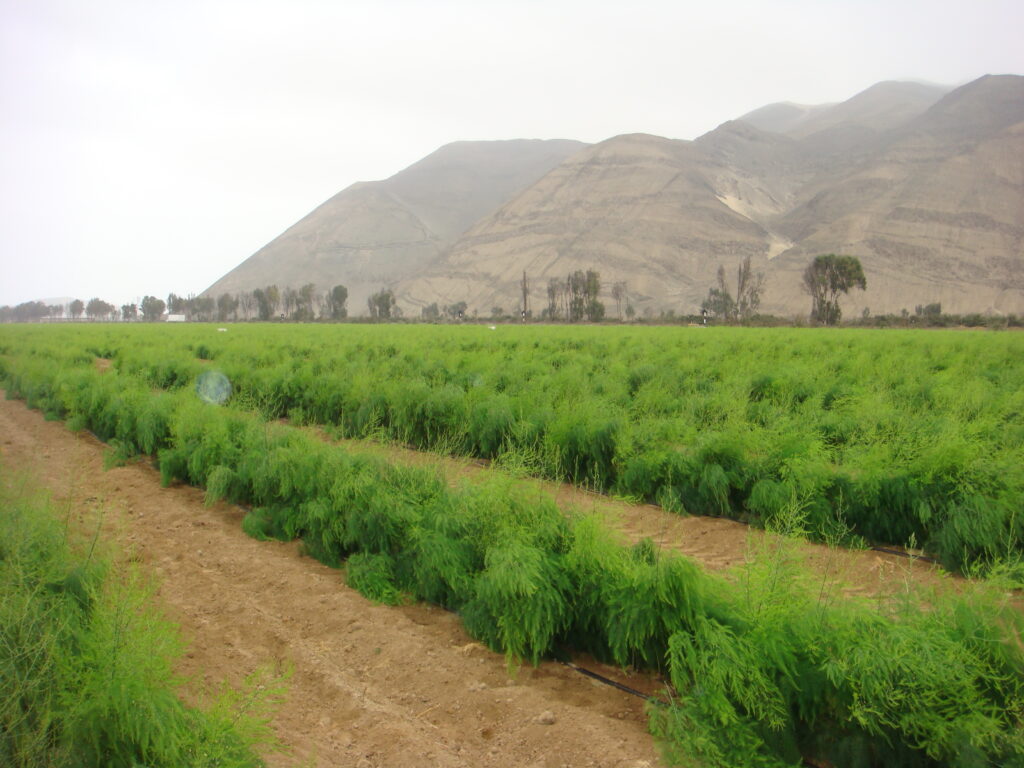
All over the world, depending on the production area and technique used, the water needed for plant development is supplied by three methods: gravity irrigation by flooding, sprinklers and drip irrigation. It is estimated that only 5% of the world’s asparagus acreage is solely rain-fed, showing the importance of irrigation for this crop. Drip irrigation is the most used water supply method, representing 70% of surfaces, while flooding is used for 15% and sprinklers 15%. (source: C.Befve). Sprinklers can also be used under certain conditions to protect the crop from frost (see box). For maximum efficiency, water must be supplied at the root level. However, 80% of the root volume lies under the foliage. In the case of the gravity method (flooding between the rows) or sprinklers (which are prone to the ‘umbrella effect’, whereby the water does not penetrate below foliage), the water does not reach the roots, unlike what occurs with drip irrigation. It should be noted that the underground drip method used in the early days of this technique (1980-90s) has now been abandoned worldwide in favour of surface drip irrigation. Placed above the root level, the drip line creates the recommended ‘shower effect’. Localised sprinkler irrigation is a possible variant of localised drip irrigation. In this case, the water is supplied by sprinklers placed under the foliage. Water is also brought directly to the mound. “This technique is particularly attractive due to its use of surface water and/or water with a high mineral load (calcium, iron), which leads to problems with clogging of the drippers,” Befve said.

The water supply must allow for the hydrological comfort of the plant in order to ensure the development of the shoots – which will later be harvested as spears in the first phase of the crop cycle – then leaf stalks and foliage. This second part of the vegetative cycle provides storage of reserves for the following year. Gravity irrigation allows for infrequent inputs of large volumes of water that saturate the soil every 3 to 4 weeks. The plant feeds on water retained in the “readily usable reserve” of the soil constituted by the clay-humic complex. This technique can only be used in soils with a high retention capacity. Its effectiveness is very limited in sandy soils. With sprinklers, water can be applied every week, depending on its availability, and the technical means used (strips, sprinklers). This regularity allows for more homogeneous water supplies to satisfy a plant’s needs. With drip irrigation, water can be applied several times a week, depending on the needs of the plant and the state of the soil reserves estimated using tensiometric probes. The division of the inputs makes it possible to maintain the “soil volume/air volume” ratio, which is favourable to the oxygenation of the roots. “It is only with drip irrigation that we can really talk about irrigation management,” says Christian Befve.
“This control can be seen in the field directly on the plant. When the plant is in hydrological comfort, its cladodes are numerous, long and open, giving the foliage an ample volume,” the specialist says. Conversely, a situation of hydrological stress generates short, tightly packed cladodes in the shape of a ‘fox’s tail’. Moreover, adding water to the planting line ensures the development of the roots under the foliage area and at depth, unlike sprinklers and gravity, which moisten the soil over the entire surface. The roots then develop more superficially and in the inter-row. This, in turn, exposes them to degradation by the ridging tools. “This impact on the root system should be seen as leading to a reduction in the production potential and longevity of the crop,” Befve says. The management of water and fertiliser inputs thanks to drip irrigation takes place according to the physiological stages of the plant (see also When should fertiliser be added, and how?).
After the harvest, when the first growth starts, irrigation and fertilisation must meet 110% of the PET for the first two weeks and 40% of the overall nitrogen requirement (see also Water efficiency and the effects of irrigation methods). The water must be supplied at close intervals to allow the plant to produce a large number of spears. For the next 3 weeks, irrigation can be less frequent and represent just 90% of PET. The mineral feed should be 10% of the total nitrogen inputs and 20% of the potash, magnesia, phosphorus, boron and calcium inputs. Then, after 5 weeks, the plant goes through a second growth to produce new spears. Water inputs must be high – 120% of PET – because the foliage of the plant is already developed. At this stage, its nitrogen requirement is 20%. Over the next three weeks, less frequent irrigation sessions should cover 80% of PET and provide 10% of nitrogen and 30% of potash, magnesia, phosphorus and boron requirements.
A third growth phase may take place 5 weeks later. Water requirements, 130% of the PET, are important because the plant is at the maximum development of its foliage. Nitrogen consumption of 20% of global input. These inputs should be maintained for 3 weeks. In the following weeks, irrigation is reduced to 70% of PET with watering sessions more spread out. Nitrogen inputs cease. During this third growth phase, the inputs of potash, magnesia, phosphorus and boron represent half of global input in order to ensure the plant can store sufficient reserves.

The comparison table allows evaluation of how the different methods of irrigation of an asparagus plantation, as well as a non-irrigated crop, differ in outcomes across factors including water efficiency, the effects of crop management techniques, various constraints and their costs. Drip irrigation is the most water-efficient system. Compared to PET, it allows only 80% of this volume to be used to meet the needs of a crop. With losses mainly due to evaporation, sprinklers require 120% of the PET. And gravity (flood) irrigation, which accumulates runoff losses, consumes 150% of PET. The consumption or overconsumption of fertilisers is also linked to the consumption of water. The application of fertiliser by drip feed makes it possible to match the inputs to the demand of the plant (100% basis). To cover the same needs, the fertiliser application should be 120% for sprinklers and 150% for gravity irrigation. It should be noted that non-irrigated plots require more fertiliser (120% of needs) to compensate for the lack of availability of elements due to the lack of water. Irrigation methods also have a direct effect on the crop. Taking 100 as a base for the grass cover of a plot irrigated by sprinklers, the grass cover due to drip irrigation is 60, and 150 for the plot irrigated.
Irrigation is a critical factor in the yield and lifespan of an asparagus plantation. According to the data collected by Christian Befve and based on 100 yield/ha for an unirrigated crop, irrigation via flooding delivers an efficiency of 130, sprinklers 140 and drip irrigation 160. “It is the quality of the water supply and not the quantity of water supplied that makes this improvement possible,” says the specialist (see Box 1). He also believes that the lifespan of an asparagus plantation is also linked to its irrigation method: 6 years if unirrigated, 8 years with gravity irrigation, 10 years with sprinklers and 12 years with drip feed irrigation.

Irrigating an asparagus plantation has a cost. It is zero if solely rainfed but increases to 100 euros/ha for gravity irrigation (flooding), 800 euros/ha for sprinklers and 1,500 euros/ha for drip irrigation. This increase is mainly due to the necessary investments in the equipment used (figures excluding boreholes and canals). Hours worked are also to be taken into account. They are estimated at 90 hours per hectare for flood irrigation requiring the development of plots (canals, channels); 25 hours for sprinklers for the time spent moving the sprinklers, and 11 hours for drip irrigation, which includes 6 hours of set-up and the rest in network monitoring.
Michigan is the largest producer of asparagus in the United States, providing spears both for processing and the fresh market. In spring, asparagus is direct seeded into a nursery and grown for one year. The resulting crowns are then transplanted into production fields and a limited number of harvests take place until the third year of growth. Michigan’s asparagus is harvested from May through June after which the fern develops. Fusarium crown and root rot (FCRR) disease of asparagus causes wilt, fern chlorosis, vascular discoloration, root rot, and crown death significantly reducing yields. Unfortunately, fusarium is a persistent and pervasive soil plant pathogen in Michigan’s asparagus growing region, making management difficult. Cultural and chemical control options are limited.

Fusarium spp. prefer poorly drained soils and humid climates. The pathogen may be disseminated by wind, rain splash, and soil movement and is resistant to harsh conditions, surviving on plant residues and in the soil for 20 years or more. Limiting disease caused by Fusarium spp. includes removing asparagus crop residues from fields and cleaning machinery between fields, managing weed hosts, minimising plant stress, and practising crop rotation. Treating crowns with fungicides before planting and fumigating crown nurseries and production fields are methods that have been used by Michigan growers in recent years.
Purple spot on asparagus spears and ferns is also a significant problem for asparagus producers in Michigan. Purplish lesions may affect 60-90 % of the spears, rendering them unmarketable. The emergence of this disease occurred with the adoption of a no-till cultural system. Due to the sporadic nature of disease occurrence, fungicide cost, and lack of control with some fungicide spray programs, it was desirable to apply fungicides according to a disease forecaster. TOMCAST, a disease forecasting system derived from FAST, (forecast system for Alternaria solani on tomato), appeared promising in managing purple spot disease on asparagus. The fungicides chlorothalonil and mancozeb are commonly used to protect the fern from purple spot but products with new active ingredients are needed to maximise control.
A greenhouse evaluation of biorationals and a fungicide plus a field evaluation of fungicides for control of Fusarium crown and root rot on seedlings were conducted by B.R. Harlan and M.K. Hausbeck from the Department of Plant, Soil and Microbial Sciences of the Michigan State University. An evaluation of fungicides for control of purple spot on the fern was also conducted. For the greenhouse evaluation, disease development was moderate with the untreated inoculated plants. Industry standard fludioxonil (Cannonball WP) was the only treatment that resulted in statistically healthier crowns compared to the untreated inoculated control. The field evaluation of fungicide for control of Fusarium root rot on seedlings is shown in Table 2, and the evaluation of fungicides for control of purple spot on the fern is shown in Table 3. It indicates that fungicides can limit disease caused by soilborne and foliar pathogens. The fungicides that were of primary interest include fludioxonil (Cannonball WP) applied as a drench to seedlings for control of Fusarium crown and root rot or as a premix of pydiflumetofen + fludioxonil (Miravis Prime SC) for purple spot foliar disease. Currently, these fungicides are not registered for use on asparagus seedlings or fern in the United States but could fill an important void in disease management. Fungicides containing chlorothalonil (Bravo WeatherStik SC) or mancozeb (Roper), “would be good candidates for use in an overall program that includes pydiflumetofen + fludioxonil (Miravis Prime SC),” the researchers said, later adding that they “can be used in conjunction with the disease forecaster TOMCAST to provide long lasting protection.” They also said that, “The asparagus crown nursery offers a unique opportunity to protect the developing crown from disease to ensure that plant propagules used to establish production fields are as healthy as possible.”
Past work with chloride salts has shown that fertility is very important in delaying the effects of decline due to FCRR. A strong positive association was noted between chloride applications, micronutrient (Cu and Mn) uptake and disease suppression. In Quebec, scientists concluded that Fusarium abundance was negatively associated with Cu and that declining fields had reduced levels of Mn. More recently, B and Mn deficiency has been associated with asparagus decline. Applying micronutrients in nanoscale may offer a novel approach to deliver these elements to asparagus roots. The oxide forms are relatively non-toxic when compared to the ionic salts. The large surface areas allow for enhanced dissolution and their extremely small size, these particles can enter and move within plant tissues for intra-plant transport. Split root pot culture was used in the greenhouse assays to test the efficacy of nanoscale micronutrients such as B (500 nm), CuO (40 nm), MnO (30 nm), MoO (100 nm), and ZnO (10-30 nm). Field studies were also conducted and research plots were established in sites that had previously been planted to asparagus.
The first preliminary greenhouse study conducted by W.H. Elmer, N. Zuverza-Mena and J.C. White from the Connecticut Agricultural Experiment Station screened B, CuO, MnO, MoO, and ZnO in split root pots and assessed the disease severity (% root lesions) on the exposed and non-exposed sides. Inoculation with F. oxysporum f. sp. asparagi resulted in root lesions over 58-60% of the root system, but when plants were treated with CuO and MnO, the exposed and non-exposed root sides had significant reductions. Nano-Cu reduced disease severity from an average 59% to 23% on the exposed side and from 59% to 30% on the non-exposed roots, demonstrating a systemic response, the researchers said. Similarly, nano MnO reduced disease severity from 59% to 16% on the exposed side and from 59% to 28% on the non-exposed roots. Molybdenum oxide reduced disease on the exposed side, but not on the non-exposed side, while nano Zn was ineffective on the exposed, but systemically reduced disease on the non-exposed side. B did not affect the disease severity. These findings agree with reports in the literature that Cu and Mn were positively associated with plant health.
Although most nano micronutrients improved growth and suppressed disease, nano CuO and nano MnO were superior in the control split root studies. Nano CuO and nano MnO were not systemic in the plant but were retained in the exposed treated root only. However, both nano CuO and nano MnO promoted a systemic defence to infection and colonisation of FOA in non-exposed roots. Field studies were also conducted by the same scientists in Hamden and Griswold. Yields from 2020 and 2021 were combined. All of the yield variables showed the same trend so only marketable spear yield was presented. Yields in untreated plots in Hamden were the lowest, but soaking crowns with B, CuO. MnO, MoO or ZnO in 2018 led to 1.5-, 1.8-, 1.9-, 2.0-, or 1.3-fold respective increases in marketable yield. Responses were not as striking in Griswold, but notable differences were still evident. Increases of 35%, 32%, 23%, and 30% in the trimmed spear weights were observed for B, CuO, MnO and ZnO respectively. “The observations that a single crown soak treatment at planting could lead to increases in yield three years later is astonishing,” the researchers said. While fumigation and fungicide soaks/drenches have resulted in improved health during the first year, the suppression did not last and/or was cost prohibitive. In contrast, nano forms of micronutrients were effective in suppressing disease and increasing yield after three years.
Asparagus has been promoted as a paddy field conversion crop in Japan. However, converted paddy fields are prone to excessive soil moisture due to their low permeability and high-water retention. In previous research it has been reported that asparagus grown in such conditions had rotting underground stems and roots, resulting in reduced yields. Furthermore, in recent years, torrential rains have caused flooding of asparagus fields in Japan, affecting the growth and yield of asparagus. However, mitigation measures for flooded fields have not yet been established. Poor field drainage contributes to the development of soil diseases, such as wilt and blight. Fusarium oxysporum f. sp. asparagi, for example, is widely distributed in production fields and causes extensive damage to asparagus production. Although F. oxysporum has such a serious impact on asparagus cultivation, there’s been scarce research into its relationship with flooding. Therefore, a study was conducted by T. Sonoda from Rakuno Gakuen University, Japan to determine the effects of different periods of flooding and F. oxysporum f. sp. asparagi infection on asparagus growth in order to contribute to the improvement of asparagus cultivation methods in former rice paddies.
The first experiment studied the effect of flooding-period length on the growth of asparagus cultivars. The main asparagus cultivars used in Japan, ‘UC157’ and ‘Gijnlim’, were used as test cultivars. One month after sowing, their seeds were transplanted to PVC tubes filled with horticultural medium (photo) and grown in a glasshouse. Ten days after transplanting, when the roots had grown 20 cm, water was poured to the ground level to flood the asparagus seedlings. Flooding periods were 0, 1, 5, and 10 days. After the applicable flooding period, the plots were drained of excess water and thereafter irrigated in the same way as the control plots. Seedlings were then removed and their maximum grass height, number of stems, maximum root length, degree of root damage, aboveground dry matter weight and belowground dry matter weight were assessed. Root damage was determined by using a five-level index to identify root necrosis and rotting.
Root lengths tended to be shorter with increasing durations of flooding, but the extent of shortening did not vary between cultivars. The degree of root damage increased with increasing periods of flooding. Differences in grass height and above- and below-ground dry matter weight were observed between the cultivars, and no differences were observed between them during the different flooding periods. “No differences in stem and root number were observed between different periods of flooding or between cultivars. There was no interaction between the duration of flooding and cultivar type for any of the growth parameters,” the authors said.

Prolonged flooding seems to inhibit root growth. But even if a field was flooded, the impact on asparagus would be minimal if rapid drainage could be achieved. “These findings suggest that when asparagus is grown in paddy-conversion fields, it is important to construct ditch drain or underdrain in the field to quickly drain excess soil moisture and avoid prolonged flooding of the root zone,” the researchers wrote. They also said that If these measures are not sufficient, “it is necessary to implement cultivation with raised rows to ensure drainage and sufficient rooting area and to use water-tolerant cultivars.”

The second experiment studied the effect of infection with F. oxysporum f. sp. asparagi and flooding-period length on asparagus growth. Growing conditions and methods for this experiment were performed as described in the first experiment. F. oxysporum f. sp. asparagi was used for inoculation, which was isolated from asparagus production fields in Japan. Root damage observed on plants inoculated and flooded for 5 and 10 days was higher than plants inoculated and not flooded. Further, statistical test results indicate that there is an interaction between presence of fungus and duration of flooding. In F. oxysporum-inoculated areas, root length was significantly longer in the 0-day flooded area than in the 5- and 10-day flooded areas, and the degree of root damage increased as the flooding-period length increased. In the absence of F. oxysporum, there was no difference in root damage depending on the duration of flooding, while in the presence of F. oxysporum, the longer the duration of flooding, the greater the root damage. The results of this study suggest that disease development caused by F. oxysporum is accelerated by prolonged flooding. “Adding drainage measures to disease-resistant cultivars would reduce the impact of flooding and F. oxysporum f. sp. asparagi on asparagus growth,” the author said.
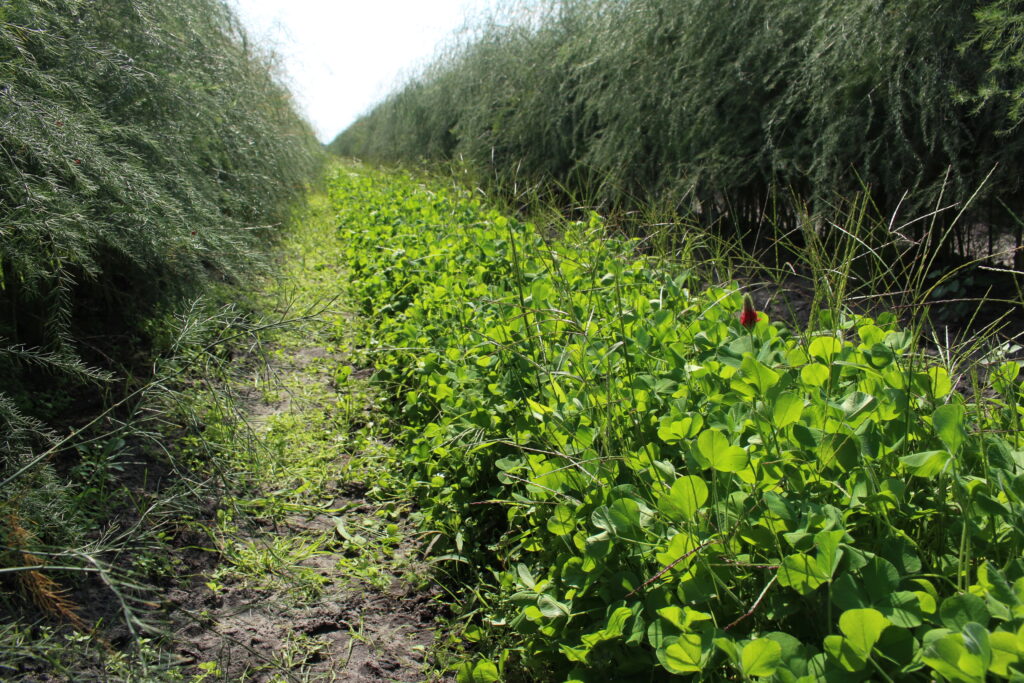
Growing vegetation coverage between the rows in asparagus plantations is a recent practice. It started with green asparagus crops to facilitate the passage of harvesting machinery and to limit soil compaction. The technique has also shown other advantages, too, such as the wind protection it offers for the asparagus to ensure a better-quality harvest and straighter spears. The many agronomic, thermal, ecological and environmental benefits afforded by vegetation coverage has now led to its use with white asparagus in several European production areas.

From an agronomical perspective, vegetation cover improves soil structure through the roots’ development of species in different soil horizons, thus enhancing the soil’s water capacity. The cover also protects against soil erosion. What’s more, growing species with taproots captures mineral elements such as nitrates in the deepest layers of the soil and limits leaching, while legumes bring nitrogen to the soil. Pulverising the foliage and root volume makes it possible to increase the soil’s humus content. The addition of organic matter significantly improves the soil’s microbial activity, thereby increasing the availability of nutrients. When a vegetation cover is maintained on a plot throughout the life of an asparagus plantation, the percentage of organic matter in the inter-rows is higher, rendering the plot more favourable for replanting, especially in asparagus groves with large spacing (more than 3.50m). It is worth considering applying vegetation coverage permanently in order to make the most of its thermal benefits throughout the crop cycle. In spring, when the vegetation cover develops above the mounds prior to harvest, this offers a “windbreak effect” that makes the plastics less likely to fly away or be removed. It also assists by warming the mound more quickly as it is less exposed to the wind, often from the north. An additional degree above 12°C at the crown can result in an additional 30 kg/ha harvested per day at the beginning of the asparagus season. Once it has been cut down in the first days of harvest, the vegetation cover can provide the soil with greater bearing capacity for the passage of harvesting machinery, especially during +rainy periods.

At the end of harvest, new plants develop, generating favourable conditions for the presence of auxiliary fauna (hoverflies, ground beetles, lacewings, ladybirds, etc.). They also limit the development of weeds in the inter-row. This is particularly useful when seeking to reduce the use of herbicides or for organic cultivation. After pulverising, the vegetation can be placed onto the planting row to provide a natural mulch that limits grass growth on the row. In autumn and winter, the cover can mitigate the effect of heavy rains. However, there can also be certain drawbacks to using soil cover, such as reduced aeration in the row and increased risk of disease due to higher humidity. Furthermore, in some situations, it can encourage the development of rodent populations.
The vegetation cover must be planted, controlled and maintained. It can be sown at the end of the harvest and benefit from the rains. At a later point, its installation will be easier if the plot is irrigated using a sprinkler system. It is recommended to combine different plant families, including grasses: rye, oats, and ryegrass (important root hair); cruciferous plants: fodder radish, Chinese radish, and white mustard (taproot); and legumes: Alexandria clover and fodder lentil (nitrogen fixation). The required duration of the vegetation cover (i.e., whether it is permanent or seasonal) also determines the choice of species. In this sense, it is necessary to take into account the plants’ sensitivity to frost. Oats, Alexandrian clover and phacelia are also sensitive to frost, whereas ryegrass, rye, lentil and radish are not very sensitive. Between 12 and 15kg/ha should be used depending on the planting distance and the width of the inter-row.
Maintaining a permanent vegetation cover requires certain adaptations, and even material investment. Long planting distances allow for grassing of the row all year round while keeping enough soil available for the mounding. Some machinery manufacturers (e.g., Engels) have also adapted ridgers to maintain the grass cover of the row (see Equipment section). Even though grassing of the row requires repeated passages by a tractor and pulveriser to control the cover’s development (every 8-10 days with sprinkler irrigation or every 3 weeks with drip feed), fuel consumption is much lower than with tillage tools. Lastly, the “greening” of asparagus rows improves the integration of asparagus plots into the landscape and greatly reduces the “visual pollution” associated with asparagus that locals complain about in certain areas.
The initial establishment of an asparagus plantation deserves special attention because its later technical and economic success depends upon it. And this is particularly the case when asparagus is being replanted in a field where it has previously been grown. The development of rotary spaders (Farmax and Imants), however, has provided a way to facilitate the establishment of an asparagus crop. Preparing the soil to a depth of up to 1.1 m allows the creation of a homogeneous zone which favours the plant’s growth. The addition of soil conditioners and fertilisers makes it possible to harness the “soilless cultivation – in the soil” approach developed by Christian Befve&Co. This involves taking the following steps before planting the crop.
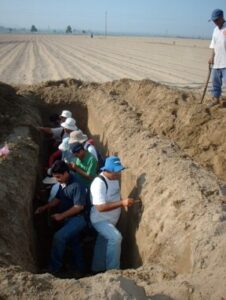
1. A soil study starting with a physical and chemical analysis of the soil structure at two levels: the surface layer (to a depth of 30 cm) and the subsoil (from a depth of 50 cm). (See image 1.) A visual soil evaluation via the “profil cultural” method is necessary. The purpose of this profile is to determine if there are indications of life in the soil, such as the roots of previous crops. Their depth gives indications of possible areas of compaction, ground water level, differences in soil structures (sand, clay, gravel, etc.) -photo 2- The depth at which the deepest roots are located will determine the depth of the subsequent tillage.
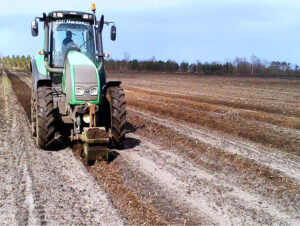
2. A significant addition of organic matter – from 80-150 tons/hectare depending on the nature of the soil improver – improves the structure and fertility of the soil. Organic matter from local sources is recommended. Depending on what is available nearby, manure (from cows, horses, sheep or poultry), grape pomace or vegetable waste (rice husks, crushed palms) may be used. The application must be concentrated on the planting row as the rotary spader passes over it in order to provide the best possible conditions for the plant to grow. (See images 3 and 4.) The addition of microorganisms (e.g. Bacillus and Trichoderma) improves soil health and limits growth of pathogenic fungi (e.g. Fusarium sp., Rhizoctonia).
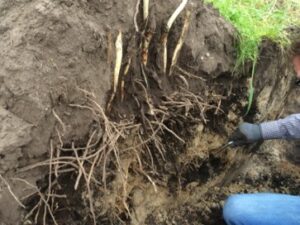
3. Tillage creates a favourable area for root development by creating a larger volume of soil than would otherwise be available. This can be achieved with hand tools, as in Madagascar (image 5), or via use of tillage machinery (images 6 and 7). In either case, the roots are able to extend abundantly throughout the area that has been tilled.
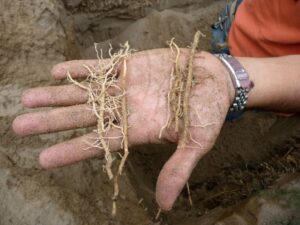
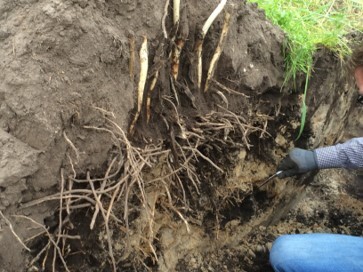
4. Observation of the roots in both areas, under tillage as well as the no-till soil, clearly shows the benefits of deep tillage (namely use of a rotary spader). In the tilled soil, the roots are numerous, white with large fibrous rootlets (left). In the no-till area, the roots are brown, soil fungus is present and there are only a few rootlets (right).
5. Tillage provides long-term benefits for an asparagus farm. In this comparative table based on the average yield of 14 asparagus plantations in 5 different countries, it can be seen that soil prepared with a rotary spader delivers higher yields than no-till soil from the very first harvest and the maximum potential continues to increase each year for the first six years. In contrast, without use of a rotary spader, the yield is lower and potential peaks in the 5th year. Over the years, the production potential is always greater with the spader and there is greater longevity (+2 years). In total, over the lifespan of the asparagus farm, this soil preparation technique delivers a 50% higher yield than no-till.
6. The increase in the volume of loose, healthy and fertile soil is the key to this greater yield thanks to its promotion of root development. Observations 4 months after planting indicate that the root systems in a soil tilled by a rotary spader have 30% more roots per plant, with a depth of establishment twice as great, and a vertical orientation. This establishment slows the usual rise of the root system level to 0.5 cm per year instead of 3 cm, and thus keeps it to just 5 cm after 10 years instead of 30 cm. As a result, the crop is productive for longer.
Argentina’s current population of about 46 million people is more than 4 million above what it was in 2012, when the country’s annual asparagus crop surpassed the 10,000 ton mark for the first time, with a total of 10,500 tons. But unlike its population, Argentina’s asparagus production has hovered at much the same level ever since. The result for 2022 was 10,605 tons, ranking Argentina 15th among the world’s biggest asparagus producers. (Faostat) Meanwhile, the country’s levels of fresh asparagus imports have fluctuated, standing at 23.5 tons in 2012 then 39 tons a decade later, with a high point of 81.3 tons in 2018. (ITC Trade Map) And according to a media report in 2021, annual consumption of asparagus in Argentina was about 300 g per capita and trending downwards. As for exports, from 674 tons in 2005 (of which 37% went to Spain, 35% to the US and 9% to Italy), the total dwindled to zero in 2018 (ITC Trade Map), when Argentina nosedived into an economic crisis from which it has never fully recovered.
Asparagus is currently enjoying a global surge in consumer popularity on the back of its nutritional benefits, gourmet status and versatility as a vegetable. Within Argentina, where it is currently cultivated in eight provinces, and in other Latin American countries, surveys similarly show a marked consumer preference for this species among non-traditional crops. With Argentina seeking to diversify its perennial crop production, which is currently highly focused on extensive crops, there is interest there in considering if asparagus would be a suitable alternative crop. A study is thus underway in the Province of Buenos Aires – where asparagus has been cultivated since 1912 – that seeks to identify which specific asparagus cultivars hold the most promise in terms of commercial productivity. The study is part of the Fourth International Asparagus Cultivar Trial organised by the Asparagus Working Group of the International Society for Horticultural Science (ISHS).
As stated in the article “Productivity of a trial of thirteen asparagus genotypes in their eighth year”, the correct choice of genotypes to cultivate in a certain region is one of the main factors affecting later productivity. Because asparagus is a crop that presents marked genotype-environment interaction, it is necessary to evaluate the behaviour of different hybrids over various years in target production areas in order to determine which ones truly are the best adapted to the local agricultural and climatic conditions, especially when it comes to rainfed plantations. For this reason, the aim of the trial was to evaluate the performance of the 13 genotypes chosen once they had reached their stable productive stage – eighth harvest year.
The thirteen all male hybrids chosen for the experiment were from three different countries: Italy, China and the United States. The six Italian green genotypes, obtained from the CRA (Center for Agricultural Research) in Lodi, were ‘IÍtalo’, ‘Vittorio’, ‘Eros’, ‘Ercole’, ‘Giove’ and ‘Franco’. From China came ‘Chino’ and from the United States the following six cultivars: ‘Early-California’, ‘UC 157’, ‘Patron’, ‘NJ-1189’, ‘NJ-1123’ (green) and ‘NJ-1192’ (a purple tetraploid). The experiment was initiated on November 16, 2011, close to the city of Azul in the centre of the Province of Buenos Aires, Argentina, in the Experimental Field (36°48’S, 59°51’W) of the Faculty of Agronomy, National University of the Centre of the Province de Buenos Aires (UNCPBA). Seedlings of 120 cm3 were planted in a random complete block design with four repetitions and at a density of 23,810 plants per hectare (1.4 m between rows and 0.3 m between plants within rows). Before planting, the experimental area was prepared with several applications of a disc plough and two of a cross chisel, and days before planting the discs were reapplied, followed by a tiller. The rows were marked with a furrow opener to a depth of 0.25 m.
The experiment’s planted area was kept free of weeds via a combined system involving use of a motocultivator, manual removal and chemical control. Prior to plantation, Trifluralina was applied at 2 L/ha and in subsequent years a mixture of 0.5 kg/ha of 35% Metribuzı́n (C8H14N4OS) and 2.5 L/ha of 31.7% Pendimetalı́n (C13H19N3O4) (from the second year), in pre-emergence. In post-emergence, the following were applied as necessary: Glyphosate (C3H8NO5P) and Bentazon (C10H12N2O3S), in the areas affected by Cyperus rotundus; among other species.
Where needed, supplementary drip irrigation was applied weekly during the first few years after planting. Once a stable productive stage was reached the plants were solely rain-fed. Fertiliser was applied at the base in bands of 0.3 m with diammonium phosphate ((NH4)2HPO4) at 250 kg ha-1, and broadcast application of urea (CH4N2O) took place once a year during the vegetative phase, with dosage varying according to the point in the crop cycle. On November 28, 2018, the biological fertiliser Arco-Plus, of Mycophos (1 L ha-1) was applied, composed of macronutrients (4.6; 1.2 and 7% NPK, respectively); 14 micronutrients and vegetable hormones.
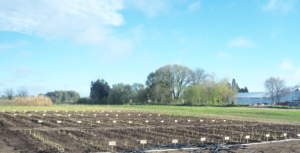
From September 18 to November 12, 2019, spears were harvested – cut with knives at soil level – every second day, making for 27 days of harvesting in total. The harvest started when the spears were at least 23 cm long and had compact heads, which is the parameter denoting commercial maturity under the applicable quality protocol* in Argentina. All spears produced were harvested, even if destined as waste, so that the remaining spears could develop. Once harvested, the spears were taken to the Processing Laboratory of Horticulture of the Faculty of Agronomy, UNCPBA, for washing and post-harvest processes including grading. This transport took place as soon as possible after harvesting in order to preserve the organoleptic properties of the spears.
The researchers said that in the stable productivity stage of the trial (eighth harvest year), five male green asparagus genotypes of Italian origin (‘Franco’, ‘Giove’, ‘IÍtalo’, ‘Eros’ and ‘Vittorio’) and two genotypes of North American origin (‘NJ-1123’ (green) and ‘NJ-1192’ (purple tetraploid) demonstrated their productive superiority in tons per hectare for the central zone of the Province of Buenos Aires. In terms of the number of spears suitable for marketing, the North American genotype ‘NJ-1123’ delivered the best result. Although it also had the highest proportion of discarded and number two grade spears, it maintained its status as one of the best performers for commercial spear numbers, they said. (‘NJ-1123’ actually stood out for its productivity in each size not just in the eighth year of the trial but from the start of the plantation’s productive life.) Next after ‘NJ-1123’ in terms of total number of spears in the eighth year came ‘Giove’, ‘Ercole’, ‘Eros’ and ‘Early California’. For the largest spear diameters, ‘Eros’ and ‘Giove’ were the most productive genotypes, while for the smallest spear diameters it was ‘Early-California’ and ‘UC-157’.
In their conclusions in the paper, the researchers said that, as would be expected, the plantation productively evolved over the years and produced many more spears in the eighth year compared to the early productive years. They remarked that the percentage of discarded spears was high, “indicating that efforts to improve management practices during harvest should result in increases in commercial productivity.” (Earlier in the paper, they said the high discard rate was possibly due to the frequency of harvest being every other day, rather than every day.) Observing that there were notable differences in the ranking of the genotypes for productivity and spear number between the eighth productive year (reported in the paper) and earlier years of the plantation, they said, “It would seem that some genotypes require several years of growth before their adaptation to a certain geographic zone becomes apparent.”
In order to establish the cultivars with the best commercial productivity, they were evaluated according to the following variables:
– Total fresh productivity (TFP) (1st and 2nd quality, plus discarded spears), in tons per hectare;
– Commercial fresh productivity (CFP) (1st quality spears) through two cutting lengths of short, 17 cm (CFP-S) and long, 22 cm (CFP-L);
– Total number of spears (TNS), commercial and discarded;
– Number of commercial spears (NCS) and its short and long components, NCS-S and NCS-L, respectively;
– Proportion of discarded spears and types of defects: bolted spears, freeze-damaged spears, plague-damaged spears, overly short spears, and other defects, such as diseased, twisted or double spears;
– Spear diameter distribution, according to the spear diameter 2 cm from the base: Asparagina (Asp): <6 mm; Small (S): 6-9 mm; Medium (M): 9-12 mm; Large (L): 12-16 mm; Extra Large (XL): 16-18 mm; Jumbo (J): >18 mm, as indicated by the aforementioned Argentine quality protocol.
The statistical evaluation was carried out by analysis of variance (ANOVA) and least significant difference (LSD), with a significance level of P≥0.05.
Non-selective harvesters cut all spears regardless of their quality, length, or other requirements, while selective machines harvest spears based on specific criteria. When it comes to green asparagus, nonselective harvesters cut all spears, regardless of length, at or near the soil surface and place the cut spears in collection devices. For white asparagus, they cut all spears, regardless of length, just above the crown in the soil mound then transport both spears and soil onto a conveyor, before separating the spears from the soil by vibration. The soil is then re-mounded over the plant row, Drost says.
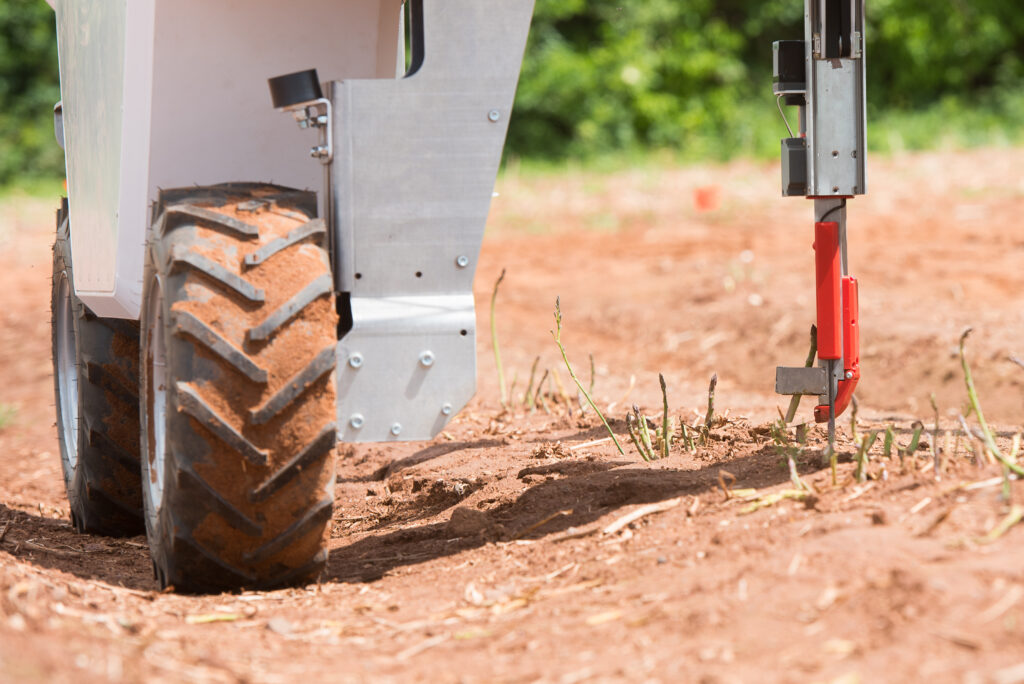
Selective harvesters for green asparagus require advanced sensor data processing to identify individual spears of the appropriate length from fields of spears of many different lengths. Spear identification is difficult in on-farm conditions where speed and accuracy are key. To be integrated into existing production systems, selective harvesters need to operate at speeds and efficiencies comparable to human labour and perform the task without damaging the harvested spear or injuring surrounding spears in the field that was not selected for harvest. Thus, harvesters require real-time (in the order of tens of milliseconds) perception and cognition of the spears, as well as high-speed actuators and robust mechanical designs. Given enough computational power and accurate GPS data, non-selected spears could be mapped for future harvest, which may speed up harvest operations. Predicting when spears achieve the appropriate length for harvest requires knowledge of spear growth rates in addition to position information.
Selective harvesters for white asparagus are more complex. To automate the harvesting process for white asparagus, the row guidance system needs to maintain the integrity of the asparagus soil mound, and the spear harvesting device needs to identify the spear’s location, cut off the spear under the ground, and successfully extract it from the soil with minimal damage to the spear. According to Drost, the guidance part is easier to create, while much more engineering is needed to get the spear-cutting and extraction mechanisms to work efficiently. Ground-penetrating radar has also been evaluated as an alternative approach to sensing crown depth to obtain the optimal cutting height for nonselective harvesters and would ensure that long spears would be cut while crown damage would be minimised.
* Source: “Asparagus breeding: Future research needs for sustainable production” by Prof. Daniel Drost (Front. Plant Sci., 27 March 2023)