Archive

Nouvelle-Zélande : de quelle quantité d’azote les asperges ont-elles besoin ?

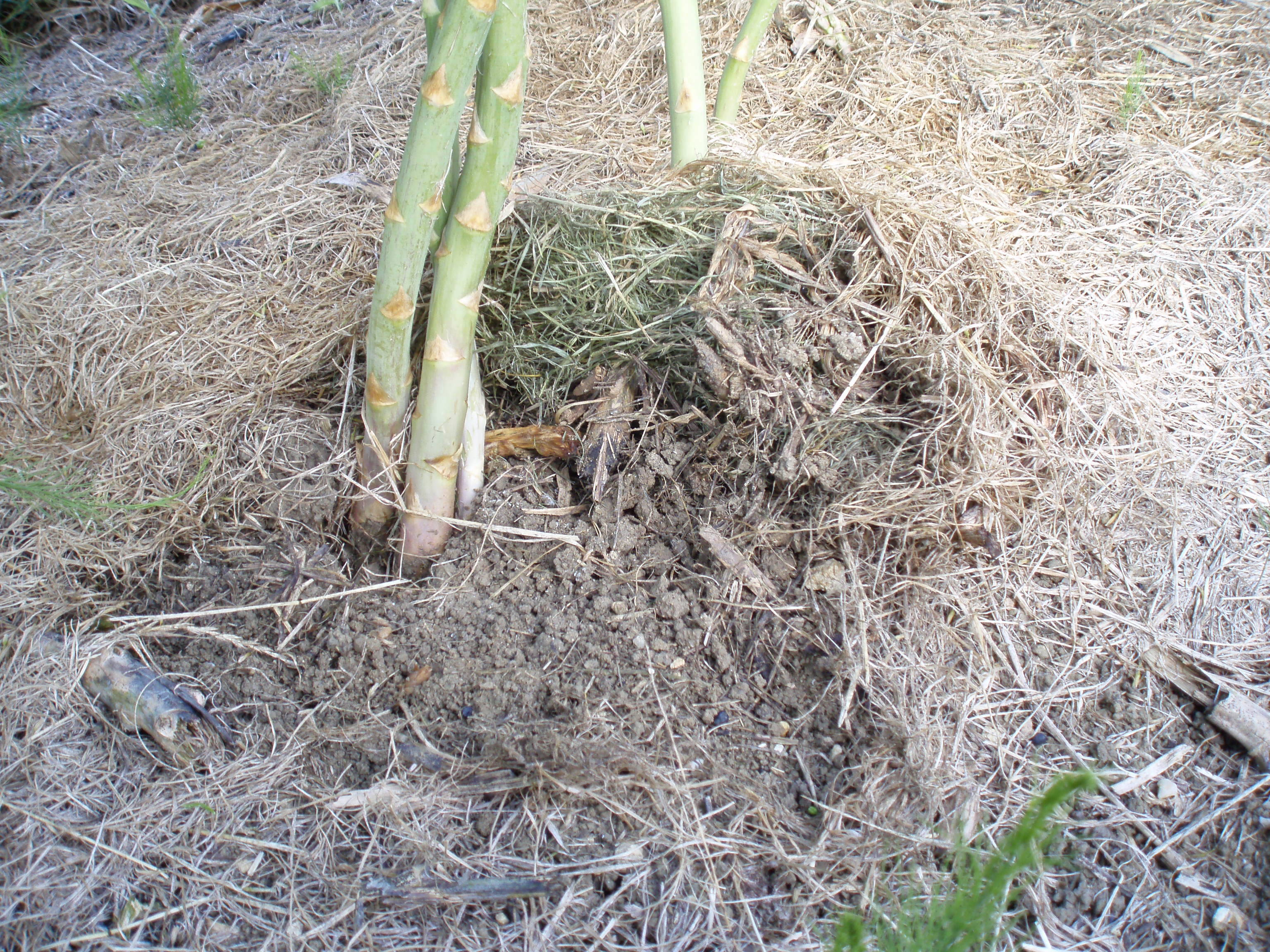
Experts say nitrogen fertiliser should be applied in the establishing years for asparagus, but thereafter, only the nitrogen removed during harvest needs to be replaced. Anecdotally, asparagus has been considered a low nitrogen crop, but grower practices in New Zealand don’t always reflect this. For example, a 2019 survey of grower practice in Waikato suggested an extremely wide range of application rates with typical applications exceeding crop exports.

Lack of nitrates guidelines specific to NZ asparagus crops

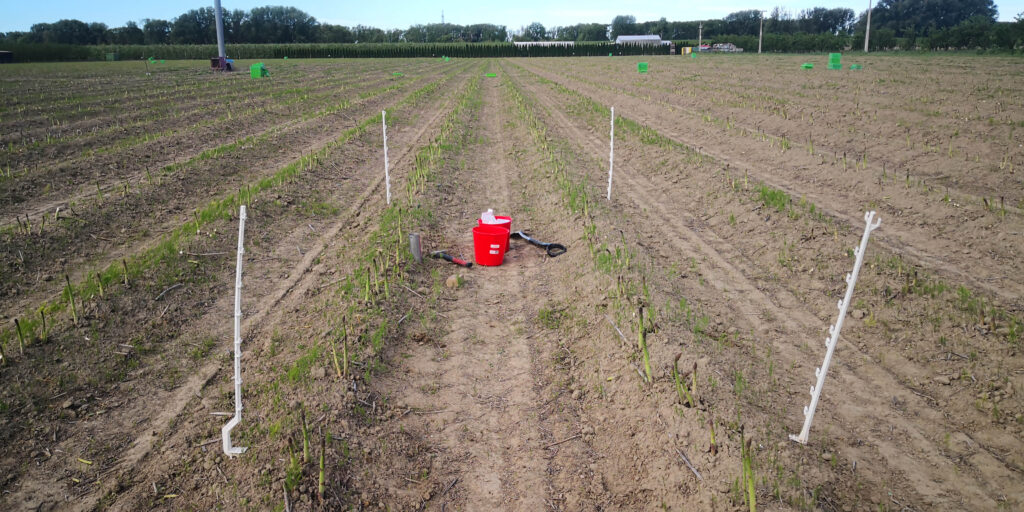
A few years ago, LandWISE, an organisation promoting sustainable land management, worked with vegetable growers in Levin amid concerns they were losing nitrogen to Lake Horowhenua. It developed a simple nutrient budget template that suits most crops. But when LandWISE manager Dan Bloomer heard asparagus growers were also keen to use it, he realised no reliable data or guidelines were available for their green asparagus. Thus, after talks with the NZ Asparagus vest needs to be replaced. Anecdotally, asparagus has been considered a low nitrogen crop, but grower practices in New Zealand don’t always reflect this. For example, a 2019 survey of grower practice in Waikato suggested an extremely wide range of application rates with typical applications exceeding crop exports.

Lack of nitrates guidelines specific to NZ asparagus crops

A few years ago, LandWISE, an organisation promo-ting sustainable land management, worked with vegetable growers in Levin amid concerns they were losing nitrogen to Lake Horowhenua. It developed a simple nutrient budget template that suits most crops. But when LandWISE manager Dan Bloomer heard asparagus growers were also keen to use it, he realised no reliable data or guidelines were available for their green asparagus. Thus, after talks with the NZ Asparagus Council, and funding via the Rural Professionals Fund from NZ’s Our Land and Water National Science Challenge, a nitrate management trial started.

Some farmers replace a lot more nitrogen than is removed at harvest

Unfortunately grower input was limited by a Covid-19 lockdown and brutal season in 2021, but despite the difficulties, some insights were gained. So far, a wide range of nitrogen management practices have been identified, indicating no agreed industry best practice. Bloomer said grower comments varied from, “I don’t put any nitrogen on my asparagus, I save it up and put it on my broccoli”, through to putting it on “because Dad did”. “So there isn’t an industry standard practice,” he said. Some farmers were found to be applying nitrogen at rates much higher than were likely being exported in the harvested crop. The researchers estimated that the amount of NO3-N exported in the harvested crop is about 12–13 kg NO3-N/ha while rates of 24, 55 and 69 kg NO3-N/ha were used by those growers in the trial who reported applying nitrogen fertilisers.

Sources :

Project report: Collaborative Research Towards Best Practice Nitrogen Management in Asparagus Cropping: Final report.

How Much Nitrogen Does Asparagus Need?

Brits cut back on asparagus as inflation continues to bite

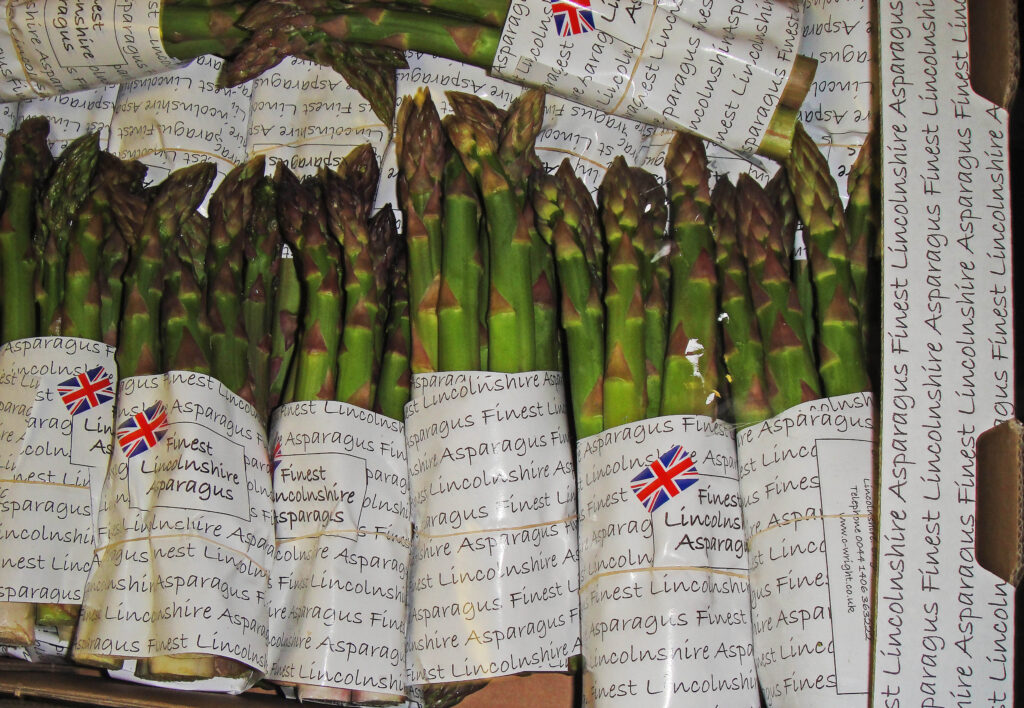
With prices still highly inflated, the volume and value of asparagus sold in Great Britain continues its descent. The 8,365 tons sold at retail in the last 12 months is 6.8% lower than the previous year’s total. In comparison, the wider vegetable market declined by just 2.1% and the full fresh produce market by 2.8% over the same period. The average price per kilo of asparagus rose nearly 5% to £9.28 over the 52 weeks to September 3 and caused penetration to fall for several months, dropping nearly 6% since a year ago to 26.5% of British households. However, this downward trend appears to be softening, Kantar says.

Brits swapping out asparagus for staples like potatoes

Kantar data also shows the price inflation has affec-ted purchase frequency, which has slipped 3.2% to just under 5.3 times a year. The shopper behaviour expert says there’s a clear correlation between this inflation and consumers exiting the category. Asparagus shoppers appear to be continuing to switch to more staple items such as potatoes and carrots. Existing shoppers are also buying less this year compared to last year (the volume per buyer is -1.9% to 1.1 kg for the latest 12 months), likely linked to the drop in frequency for asparagus purchases. However, trip volume has re-entered growth in the last couple of months (+1.4% to 210 g), meaning shoppers are now putting a bit more asparagus in their basket. “An increase in volume sold on ‘Y for £X’ deals has likely helped push trip volume back into growth,” Kantar said. “We are seeing across grocery that promotional levels are creeping up and it looks like this is happening within asparagus too,” it added. Overall, the spend on fresh asparagus at retail in Britain was down 2.3% year-on-year to about £77.6 million for the 52 weeks ending on September 3, 2023, a decline driven by fewer shoppers and fewer trips.

Fine asparagus has driven growth in trip volume

Spears account for the biggest share of asparagus sales in the UK, delivering 57% of the value and 70% of the volume sold at retail, followed by tips with 41% and 28% respectively and fine asparagus accounting for the about 3% remainder in both cases. Kantar reports all three of these asparagus sub-categories are seeing penetration decline.

Could the Dutch be convinced to eat even more asparagus?

The Dutch have long held a fondness for asparagus, with each person estimated to eat nearly 1 kg each year. And they are also known for growing high quality asparagus, which is mainly used to supply the domestic market but also exported to other parts of Europe and beyond. However, the planted area and annual production volume of ‘white gold’ in the Netherlands have been declining since 2018. At the International Asparagus Meeting, held as part of the asparagus and berry show, ExpoSE in Karlsruhe, Germany, on November 23, 2022, Teboza owner Will Teeuwen, a 3rd generation asparagus grower, sketched out the current context and the outlook for the Dutch sector.

Further concentration foreseen for Dutch asparagus production

The number of Dutch asparagus growers and the planted area has declined since 2018. The number of growers in 2014 was 800 but had dropped to 700 by 2018 and in 2021 stood at 500, while the planted area has gone from 2,800 almost a decade ago to 3,400 in 2018 and 2,900 in 2021. On average, there’s currently about 6 ha per grower and a net yield of about 6,000-7,000 kg/ha. “I think now we are in a kind of stable situation and the number of growers will still go down but the number of hectares will stay on this level,” Teeuwen said. Dutch production is concentrated in the country’s south, “which has something to do with the sandy soil but also with a bit more of a microclimate there, with warmer tem-peratures in spring.” Teboza is located in Limburg, which delivers 63% of production, with a further 33% in North Brabant and 4% dotted around other parts of Holland.

Overall consumption growth stalling, but green gaining traction

Teeuwen said fresh asparagus consumption is more or less stable in the Dutch market at an average of about 900 g per person, “which we think is quite good.” Twenty years ago, it was 200-300 g, “so we did a good job in those 20 years but in the last 5-6 years it has more or less been stable, so there’s a challenge to increase consumption,” he said. White currently accounts for 88% of
asparagus sales in the Netherlands, green 11% and purple under 1%. But the influence of green asparagus is increasing, “not very fast, but it’s increasing and I think it’s mainly because the younger people are focused more on the green asparagus but also people from abroad, and there’s quite a lot in the Netherlands, are also more into the green.”

Accommodation the biggest workforce challenge

Teeuwen said that in 2023, the minimum hourly wage in the Netherlands is €11.75 gross (up from €10.24 in 2021), which after taxes puts about €9.50 net in an employee’s pocket. But the employer cost is actually €17.63 per hour, which includes payments such as for social security and pension plans for the seasonal workers. “I always thought we had the most expensive salaries in the world but then I saw that Canada is doing quite a good job on that one also,” he quipped. Teboza’s harvest workers mainly come from Romania. It still has some coming from Greece, but these numbers are decreasing. “The biggest challenge we have at the moment in Holland is not getting the people, by being a good employer we get them, but we also have to house them,” he said.

Successful robot harvesting probably still 3-4 years away

Teboza has been doing a lot of tests with robotic harvest machines, including in its fields last year. “Unfortunately, the first one (Cerescon’s Sparter) went bankrupt in the middle of the season and that caused us a big challenge because we had to take out this machine somewhere in April. The other one (from AVL Motion), is still going on but I think we still need some more time before these machines will be suitable for harvesting asparagus on a large scale,” Teeuwen said.

Rising costs also a major headache

“The biggest challenge we have in the business, not only us as an asparagus grower but as a business in general, is how we can cope with increasing costs,” he went on to say. “We are constantly trying to innovate in our company.” In addition, Teboza is saving a lot of money on packing materials, which is good both for sustainability and reducing costs. Teeuwen said it is focusing a lot on decreasing packing materials but in the meantime, retail customers are still showing high demand for packed asparagus, “so although we decreased our use of the packaging material signi-ficantly we are packing more asparagus,” he said.

Against asparagus dieback, unity is strength

The phenomenon of asparagus plantation dieback concerns all production areas in France, with variations depending on the year and climatic conditions. “In Maine-et-Loire, Landes or Gard, the mortality rate of shoots in vegetation is estimated at 10 to 20% on asparagus plantations over 8 years old. And yield losses can reach 30%,” said Maurane Pagniez of Invenio Asparagus Pole (a French experimentation centre). Phytophthoras, fusariums and purple rhizoctonia are the main causes and mycorrhization could limit or even resist these pathogens.

Promote the establishment of mycorrhizae

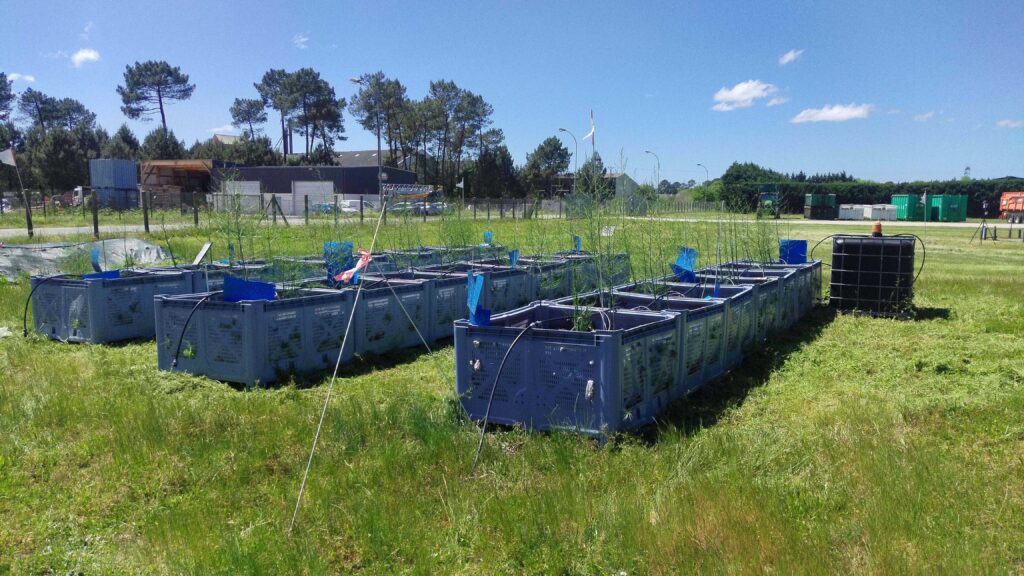
To avoid contamination of asparagus fields, crowns are often disinfected and treated before planting. “But this operation has the effect of destroying the endogenous mycorrhizae normally present on the crowns and making the young plants more sensi-tive to soil pathogens,” said Pagniez. The objective of a study by Invenio called Mycado is to evaluate the potential positive effects of the establishment of mycorrhizae. The project also aims to identify whether these mycorrhizae, once installed, have an impact on plant vigour. These tests involve comparing several strategies for promoting the establishment of mycorrhizae. “First of all, it is possible to wait for these mycorrhizae to settle without outside help, since it is a natural phenomenon,” said Pagniez. A second strategy is to employ « commercial solutions » for bringing these fungi. A third way is to obtain plants whereby nursery workers directly introduce mycorrhizae. The last strategy requires an intermediate step of relaying plants so as to multiply mycorrhizae, either by natural or commercial means, then incorporating this soil into the growing medium.

Impact on dieback

“After a year of culture in pallox, mycorrhizae became established via all modalities, including the control modality; that is to say, the one containing just the soil of a plot on which an absence of mycorrhization had been noted,” said Pagniez. In response to the other strategies, results will vary depending on whether the focus is on mycorrhization or on asparagus biomass. “The trial, which was set up in 2021, must be monitored over time with disease inoculations if necessary to ultimately validate the impact of mycorrhizae on resistance to dieback,” said Pagniez.

Asparagus sectors pushes to extend standard lengths

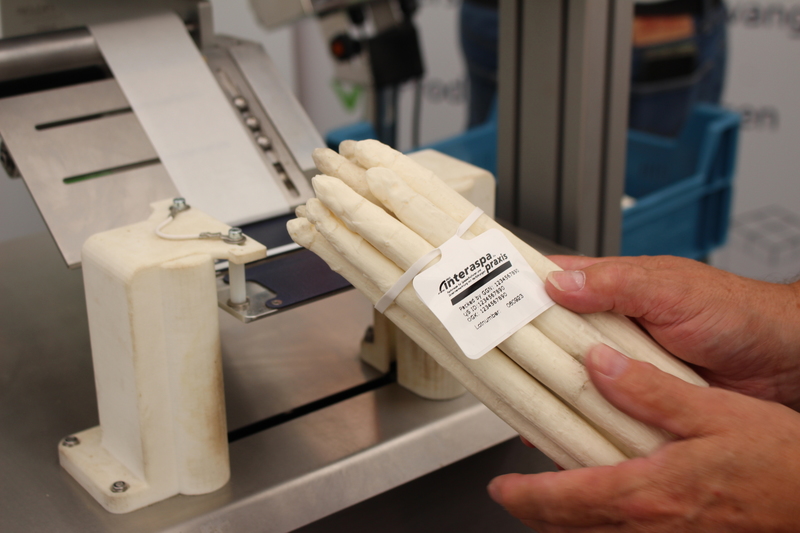
An informal meeting was held by representatives of German asparagus producer unions (North, South and East) and the French asparagus producers union during the Interaspa 2023 trade fair in Sandhatten, Germany at the beginning of September. The discussions, initiated in Germany, focused on proposals to change European standards regulating the harvesting length of CAT I and II asparagus, extending the dimensions from 22 cm to 24 cm.

An economically beneficial standard

The proposed new standard would enable a higher volume of marketed product without changing the quantity of inputs (plastic, pesticides, fertilisers, water, etc.). This would provide economic benefits to asparagus producers, through greater yield per hectare for unchanged production costs (particularly in terms of labour). The measure would not impact product quality because modern cultivation techniques with high mounds and new varieties are already being developed. In addition, it would allow waste reduction in the field, an argument that should also appeal to Brussels. The proposed new standard would simply be added to previous ones, with no obligation on producers to follow it. Everyone would remain free to continue to sell 22 cm asparagus instead of 24 cm. This would provide plenty of time for adapting labels, while also allowing producers that prefer not to make the calibre change to highlight their traditions. For its part, the French industry seems divided on the subject, with delegates expressing fears (poorly substantiated) concerning the risk of fibrosity in the last two centimetres of the spear and lower taste quality.
The exchanges prompted a desire for a broader sharing of information between Germany and France, as well as with other producing countries in Europe. The coordination work could continue during ExpoSE in Karlsruhe in November, with an official meeting between Italian, Spanish and Greek authorities.

Interaspa reflects gloomy German asparagus campaign

Attendance at Interaspa, a show dedicated to asparagus and berries in Sandhatten in Germany, is in sharp decline. Show director Fred Eickhorst said that this is the case with many agricultural events in the region. The sector is doing poorly, continuing the downward trend from the previous season, with a deflated market amidst spiralling production costs. Labour in particular represents a significant burden for German producers while the minimum wage continues to increase in the country. Bank interest rates are also rising, making it more difficult to invest to renew crops on German farms. In addition, producers are also encountering difficulties in handing down their activity to younger generations along the Rhine. So, the climate is far from calm, given all the uncertainties concerning the future of the German sector.

French campaign in sharp contrast to its neighbour’s

The 2023 German campaign saw volumes drop slightly, in line with the trend from the previous campaign, with stable prices, although price disparities were observed in different German regions. The climate remains gloomy for German producers walking the show’s aisles. By contrast, the French 2023 asparagus campaign went well, despite average sale prices over the season being identical to those registered in 2022 and production costs jumping again (+15%). However, French production is in currently going through a different phase from German production. The French asparagus sector is now stable after a period of drastic decline in surface area, and benefits from a dynamic domestic market. The German asparagus market, for its part, is a price-driven market. Experts from the sector advocate educating German consumers so that the share of household income allocated to food will rise from its current level in Germany of only 11% to closer to the 14% it is in France (Sources: Eurostat 2018; INSEE 2021).

The art of covering crops

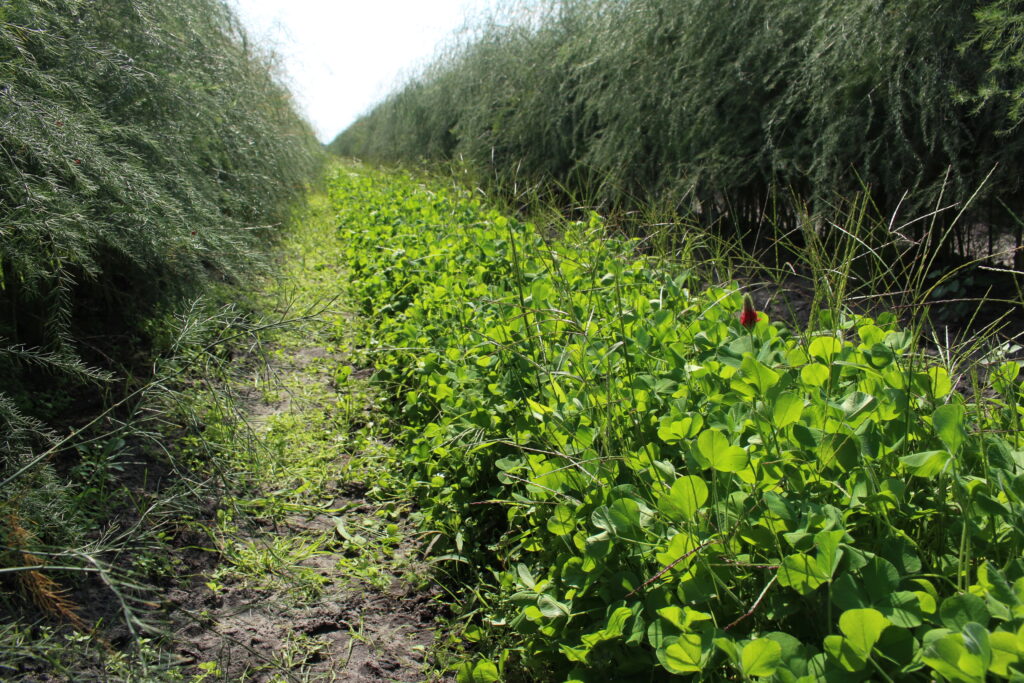
Growing vegetation coverage between the rows in asparagus plantations is a recent practice. It started with green asparagus crops to facilitate the passage of harvesting machinery and to limit soil compaction. The technique has also shown other advantages, too, such as the wind protection it offers for the asparagus to ensure a better-quality harvest and straighter spears. The many agronomic, thermal, ecological and environmental benefits afforded by vegetation coverage has now led to its use with white asparagus in several European production areas.

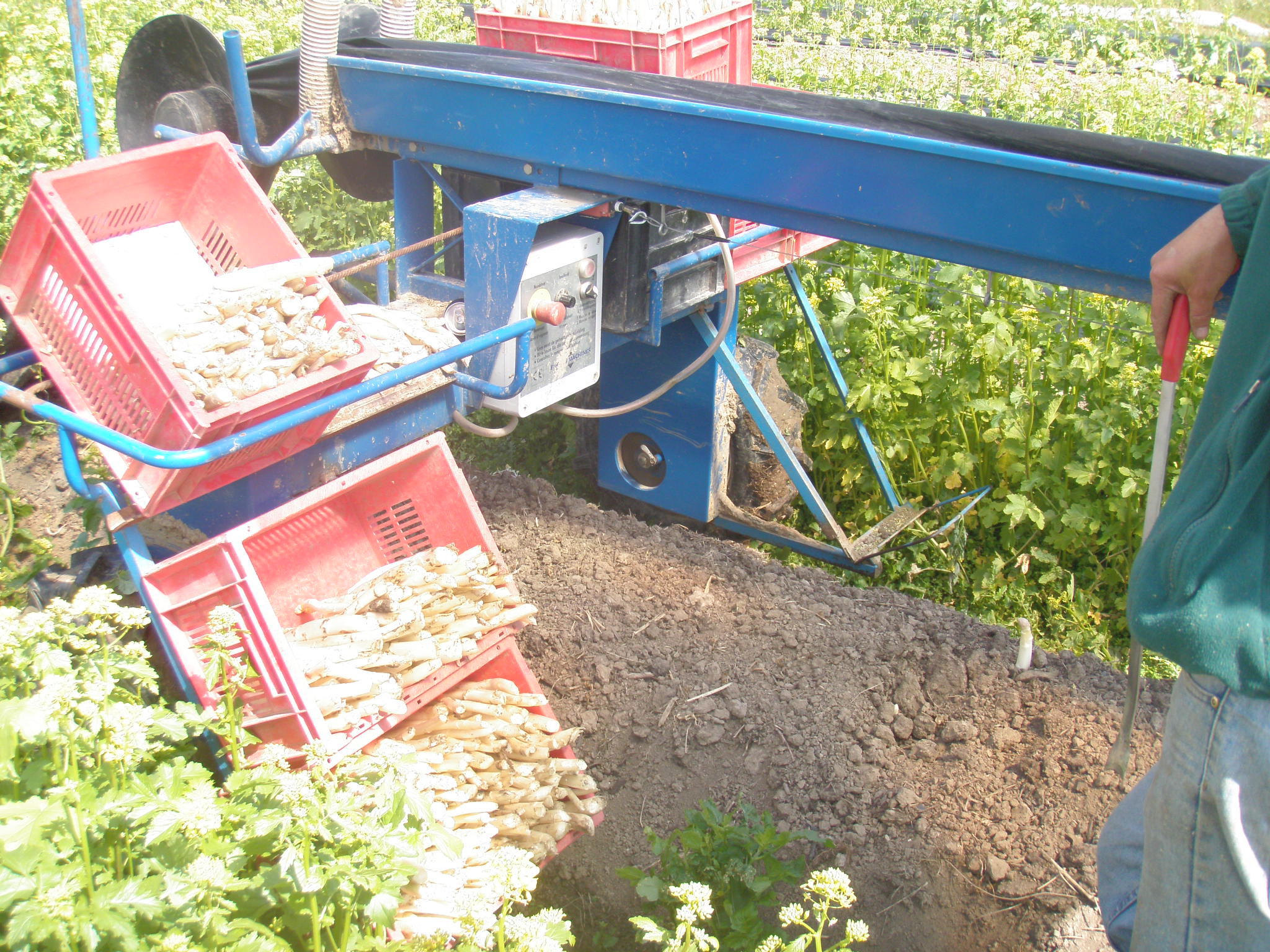
The vegetation cover enhances the bearing capacity of the soil to support the passage of harvesting assistance machines, especially during rainy periods.

Benefiting from a “windbreak effect”

From an agronomical perspective, vegetation cover improves soil structure through the root development of species in different soil horizons, thus enhancing the soil’s water capacity. The cover also protects against soil erosion. What’s more, growing species with taproots captures mineral elements such as nitrates in the deepest layers of the soil and limits leaching, while legumes bring nitrogen to the soil. Pulverising the foliage and root volume makes it possible to increase the soil’s humus content. The addition of organic matter significantly improves the soil’s microbial activity, thereby increasing the availability of nutrients. When a vegetation cover is maintained on a plot throughout the life of an asparagus plantation, the percentage of organic matter in the inter-rows is higher, rendering the plot more favourable for replanting, especially in asparagus groves with large spacing (more than 3.5 m). It is worth considering applying vegetation coverage permanently in order to make the most of its thermal benefits throughout the crop cycle. In spring, when the vegetation cover develops above the mounds prior to harvest, this offers a “windbreak effect” that makes the plastics less likely to fly away or be removed. It also assists by warming the mound more quickly as it is less exposed to the wind, often from the north. An additional degree above 12°C at the crown can result in an additional 30 kg/ha harvested per day at the beginning of the asparagus season. Once it has been cut down in the first days of harvest, the vegetation cover can provide the soil with greater bearing capacity for the passage of harvesting machinery, especially during rainy periods.

Planted, controlled and maintained

At the end of harvest, new plants develop, generating favourable conditions for the presence of auxiliary fauna (hoverflies, ground beetles, lacewings, ladybirds, etc.). They also limit the development of weeds in the inter-row. This is particularly useful when seeking to reduce the use of herbicides or for organic cultivation. After being pulverised, the vegetation can be placed onto the planting row to provide a natural mulch that limits grass growth. In autumn and winter, the cover can mitigate the effect of heavy rains. However, there can also be certain drawbacks to using vegetation cover, such as reduced aeration in the row and increased risk of disease due to higher humidity. Furthermore, in some situations, it can encourage the development of rodent populations.

The vegetation cover enhances the bearing capacity of the soil to support the passage of harvesting assistance machines, especially during rainy periods.

The vegetation cover must be planted, controlled and maintained. It can be sown at the end of the harvest and benefit from the rains. At a later point, its installation will be easier if the plot is irrigated using a sprinkler system. It is advisable to combine different plant families, including grasses: rye, oats, and ryegrass (important root); cruciferous plants: fodder radish, Chinese radish, and white mustard (taproot); and legumes: Alexandria clover and fodder lentil (nitrogen fixation). The required duration of the vegetation cover (i.e., whether it is permanent or seasonal) also determines the choice of species. In this sense, it is necessary to take into account the plants’ sensitivity to frost. Oats, Alexandrian clover and phacelia are also sensitive to frost, whereas ryegrass, rye, lentil and radish are not very sensitive. Between 12 and 15 kg/ha should be used depending on the planting distance and the width of the inter-row.

Improving plastics integration

Maintaining a permanent vegetation cover requires certain adaptations, and even material investment. Long planting distances allow for grassing of the row year-round while keeping enough soil available for the mounding. Some machinery manufacturers (e.g.: Engels) have also adapted ridgers to maintain the grass cover of the row (see Equipment section). Even though grassing of the row requires repeated passages by a tractor and pulveriser to control the cover’s development (every 8-10 days with sprinkler irrigation or every 3 weeks with drip feed), fuel consumption is much lower than with tillage tools. Lastly, the “greening” of asparagus rows improves the integration of asparagus plots into the landscape and greatly reduces the “visual pollution” associated with asparagus that locals complain about in certain areas.

Long harvests, extensive daylight and high yields in China

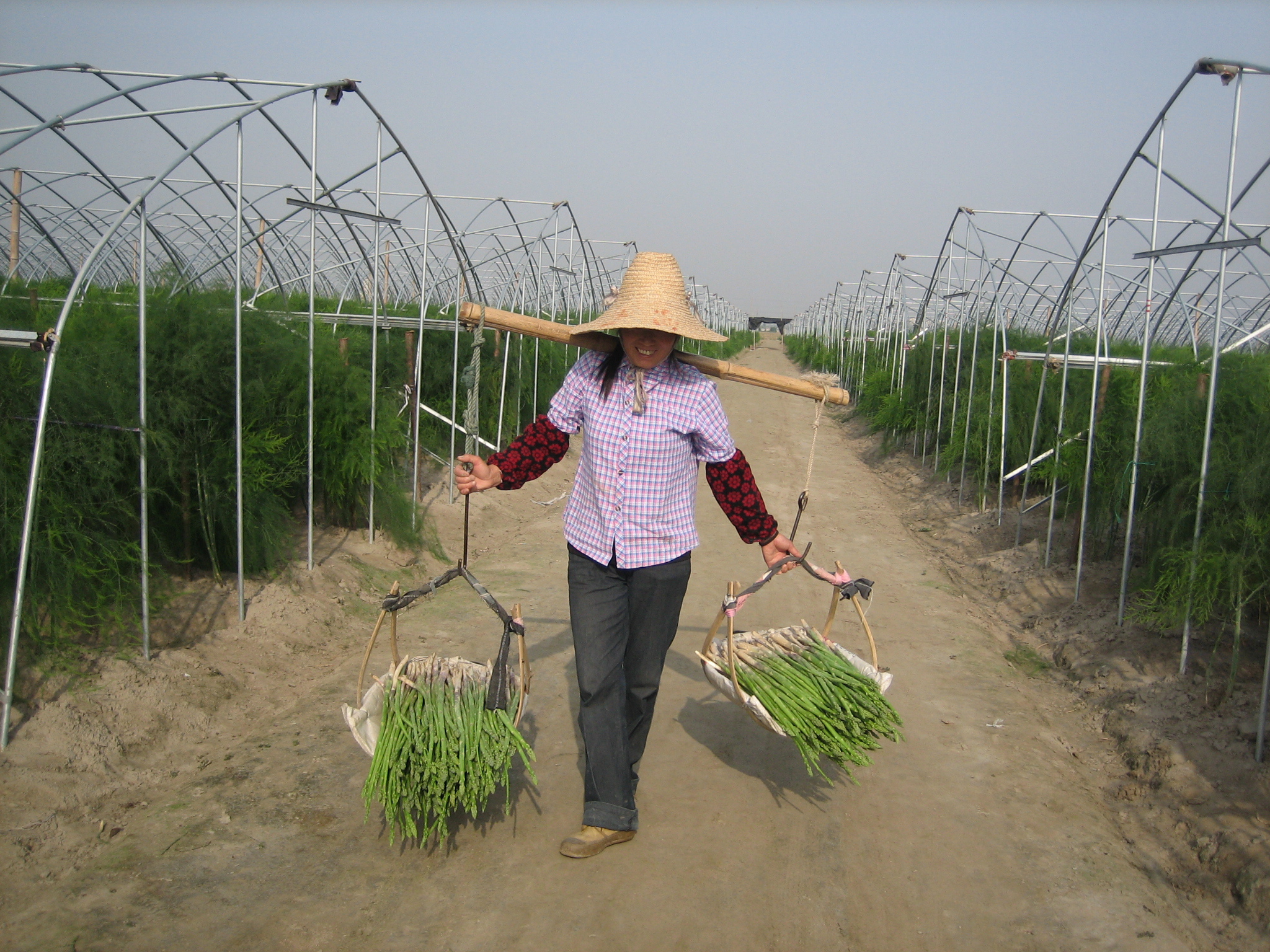
Hangzhou Jiahui Agricultural Development Co., Ltd was founded in 2000. The asparagus planting area is located near the edge of the Qiantang River in Hangzhou, Zhejiang Province, a region with a subtropical monsoon climate, high summer temperatures and humidity, leading to extremely serious risk of stem blight. What’s more, the soil is sandy loam. As a result, the asparagus is planted in plastic tunnels. The products are mainly sold in Beijing, Shanghai, Guangzhou and other big cities, but some is exported to Japan. Asparagus consumption in China is on the rise thanks to increased demand from hotels, restaurants and festivals. But there is currently a lack of supply, which makes planting very profitable. Some production areas are as large as 68 hectares. However, input and labour costs are rising each year, which is cutting into producers’ profit margins and slowing the expansion of planting area. To respond to these issues, Hangzhou Jiajui has begun to focus on creating new cultivation technologies and breeding new varieties.

Harvesting spears over three stages

The main varieties grown by the company are UC157, Atlas, Grande, Jialu No. 1, Depola, Fengdao No. 1, Fengdao No. 2, Jinguan, Feicui Mingzhu, Huamiao, and more, all of which are planted in greenhouses or plastic tunnels. The plants remain in these enclosures throughout the growing cycle, keeping mother-stems twice and harvesting spears three times a year. Production is ongoing throughout the whole year. After fertilising in early December, a plastic film is used to cover the whole tunnel. There is usually a smaller tunnel in the greenhouses for heating, with double plastic tunnels commonly used to increase temperatures and produce early spears. The inside tunnel is removed by early March. The films on both sides of the tunnel are rolled up in early May and just the top film remains until December.

The top-covering method is employed to prevent outbreaks or spread of stem blight pathogens. The winter harvest period can also be advanced to the end of December or start of January. Asparagus can also be on the market just in time for the Chinese Spring Festival, when the price is at its peak. In autumn, the harvesting period can be postponed until the middle of November, and the dormancy period of asparagus is less than two months.

Using mother-stems twice

The first harvest, called the “spring harvest”, is from late December or January to early April. Spears with a diameter larger than 1cm are selected for use as spring mother-stems. The second harvest, the “summer harvest”, is from mid-May to late August, when spears are harvested under the mother-stems. Then, all the mother-stems are removed and spears with a diameter larger than 0.8cm are selected for use as autumn mother-stems.

The third harvest (the autumn harvest) is from early September to mid-November. All stems are removed after the arrival of the frosts and the plants enter their dormant period.The spears are harvested by hand when they reach 35-40 cm. Thanks to the multiple harvesting periods and the extensive use of organic fertiliser, the annual yield of 4-8-year-old unprocessed asparagus can reach about 75 tons per hectare. The sorted and bundled spears (35-37 cm or shorter) have their white roots cut off and are sent for marketing. Partition management is used in the production area, with each farmer managing 1.3-2 hectares or more. The input materials are purchased and distributed by the company, which is also responsible for recycling and selling all products under a joint brand. Ninety percent of the proceeds goes back to the farmers, which is very motivating for them and has improved productivity and efficiency levels.

Four patents

The firm has its own research centre, equipped with a small laboratory and technicians, who mainly work on developing new cultivation techniques and breeding new varieties. As a result of its cultivation technology research, four patents have been obtained, including for asparagus cultivation, a fertilisation method, a seed plot management method, and a biodegradable film for promoting early asparagus harvests in winter and spring.

In addition, three varieties have been developed:

1) Jialu No. 1, which has a green colouring and is medium-ripe;

2) Zaojia No. 2, which is early and stout, has a long harvesting period in spring, and a tight head that is not easy to scatter; and

3) JH120, which responds to the local market’s preference for stout asparagus. It has a tightly wrapped head and a lightish colouring.

A complex and changeable natural environment

As the economy of this region is relatively developed, there is a high standard of living and asparagus demand is still growing. But competition in the asparagus industry is fierce. As a result, businesses are actively exploring more efficient, sustainable and practical cultivation techniques, as well as more cost-effective and convenient sales methods, so as to cope with the complex and changeable natural environment, improve the quality and safety of asparagus products, and meet the quality standards expected by consumers. As farmers recognise the critical role played by variety choice, such decisions are made very carefully.

Fertilisation and pest control process

1/ Fertiliser and water management

Apply decomposed organic manure (e.g. pig manure) and ternary compound fertiliser by ditch application three times a year. A three-compound fertiliser (15% N, 15% P2O5, 15% K2O) is applied once a month for topdressing during harvest.

Drip irrigation is usually employed to replenish field moisture, and attention is paid to drainage during the summer rainy season.

2/ Disease and pest control

Stem blight (Phomopsis asparagi) is the main disease threat. The stems are kept dry and the spread of pathogens is controlled because the plastic greenhouses keep out the rain. Two critical control periods are needed: 1) When the spear has grown into its mother-stem, spraying fungicide can help to prevent the invasion of diseases in the process of stem lignification transformation; 2) After the mother stem has been completely removed, it is very helpful to remove the sick stalks in time and sterilise after removing all the stems. Noctuidae and thrips constitute the main pests. Sex attractant trapping is very necessary to combat noctuidae, and biological pesticides are also used to control both noctuidae and thrips.

Size determines the price

Asparagus products are mainly sold on the domestic market through supermarkets and local markets, but online sales and group buying have also emerged in recent years. Price is determined by size, with stouter asparagus fetching higher prices. Wholesale prices of asparagus fluctuate widely depending on availability, reaching a peak during the Spring Festival and the winter shortage period. The rest of the time, prices are relatively stable and depressed. Also during the period in which mother-stems are retained, there is less supply, which leads to a slight price increase.

Five steps of cultivation mode in Hangzhou Jiahui Agriculture

1. Double tunnels are used in winter and early spring.

2. Spears are pulled out by hand without mother-stems.

3. Mother-stems are retained after harvesting spring and summer asparagus

4. When the mother-stem matures, new shoots grow.

5. Harvesting summer and autumn asparagus under mother-stems

Un modèle de prédiction des récoltes

In many countries, especially in Europe, asparagus is the vegetable that heralds the return of spring and the new season. The date of its arrival and the development of production volumes are very much influenced by weather conditions during the previous winter in production basins (from south to north). In addition, the consumption of this “spring vegetable” and “pleasure vegetable” is also influenced by the sometimes-capricious weather at this time of year. This game of “supply and demand” constitutes the basis for setting asparagus prices and therefore the profitability of the crop. Being able to forecast the production dynamics is therefore a decisive asset, especially when asparagus is marketed by supermarket chains (hypermarkets, hard discounters) that require planning of supplies and prices. In France, where the total production is about 25,000 tons, asparagus is produced throughout the country, with large areas in Les Landes, Maine-et-Loire, Gironde, Gard and Bas-Rhin.

Better forecasting of production dynamics

“Prices are generally high at the beginning of the campaign, with quotations at the shipping stage, at the end of February for Les Landes, starting at around €12/kg (white asparagus, southwest, category 1, 16-22 mm) because information about the volumes remains confidential,” said Astrid Etèvenaux, director of the national PDO Asparagus of France. Then, prices fall significantly until the end of March, when all the basins are in production, with an observable uptick in prices around Easter, after which prices drop until the end of the season to their lowest price levels (between mid-May and early June) of €3 to €6/kg at the shipping stage (white asparagus, southwest, category 1, 16-22 mm). “It is around Easter that consumers are most eagerly awaiting asparagus, and that is when it is hoped the peak of production will be. The average retail price (in store) ranges from €5 to €7 per kg,” said Etèvenaux.

Faced with this situation, the members of Asperges de France have for several years been considering constructing a decision-making tool which would allow them to better anticipate the production dynamics of asparagus plantations. Such a model would make it possible to optimise communication amongst professionals, especially with major brands, as well as help with organising harvesting and packaging work. In the long term, it would also make it possible to anticipate the consequences of climate change for the sector. Asperges de France along with the INRAE and Invenio research stations are working on the development of a model. The first step involved identifying the main biological and technical parameters in the production kinetics of asparagus plantations. “The first prototype model was designed to estimate the date of peak production. We mainly focused on the influence of temperature on initiation and rate of growth. We collected air temperature data in several production basins and transformed the temperature of the outside air into the temperature of the covered mound at several depths. We then calculated the theoretical date at which the cold and hot needs of the asparagus plantation were reached, based on data from the scientific literature,” said Emilie Casteil, project manager at Asperges de France.

The ability to forecast the production dynamics is a key asset when it comes to forward planning of supplies and prices.

Other factors under consideration

Data collected from producer members of Asperges de France made it possible to set up this prototype to estimate peak harvest periods over previous years. The preliminary results of this analysis have been very encouraging and suggest that this approach is suitable for asparagus. “Peak production is estimated with an average accuracy of 6 days, ranging from 1 to 13 days, depending on the year. But the first prototype does not allow estimation of the start date of production or the projected yield,” said Casteil. Work will continue by collecting more data to refine the model and improve its reliability and accuracy. “It is necessary to refine the model by taking into account other factors such as the variety and age of the asparagus plantation, the impact of handling plastic films that can be turned either black or white face up, the sunshine and the reserves stored in the crown,” said Casteil. With plans to recruit a doctoral researcher in 2023, all of this work should allow significant progress to be made in understanding the dynamics of asparagus production so that producers may rely on this model for their decision-making. Finally, in the context of climate change, this tool should also make it possible to determine the impact it is having on asparagus production in the different regions of France. Producers’ expectations are high and the initial results are promising. According to Asperges de France, the model will be transferable to green asparagus since the input data will be identical. However, the model will have to be adapted to take into account the characteristics of green asparagus production, such as the absence of covers and the mounds, which requires different temperature considerations.

 
Challenges of estimating French asparagus crops

French asparagus production totals 25,800 tons on over 6,500 ha. France has five main asparagus production areas (Les Landes, Maine-et-Loire, Gironde, Gard and Bas-Rhin), but asparagus is grown throughout France. This makes for a fragmented production, with little organisation amongst producers, creating challenges for estimating production dynamics during the season. The asparagus harvest starts in February in the earliest production basins (Les Landes) and ends in June in the later basins (Maine-et-Loire). According to Kantar data, 58% of asparagus purchases are made in supermarkets (HM, SM, EDMP and GSF fresh supermarkets), with 23% in local markets, 10% in greengrocers, and 8% via direct sales.

Why Germany is cutting back on its asparagus crop

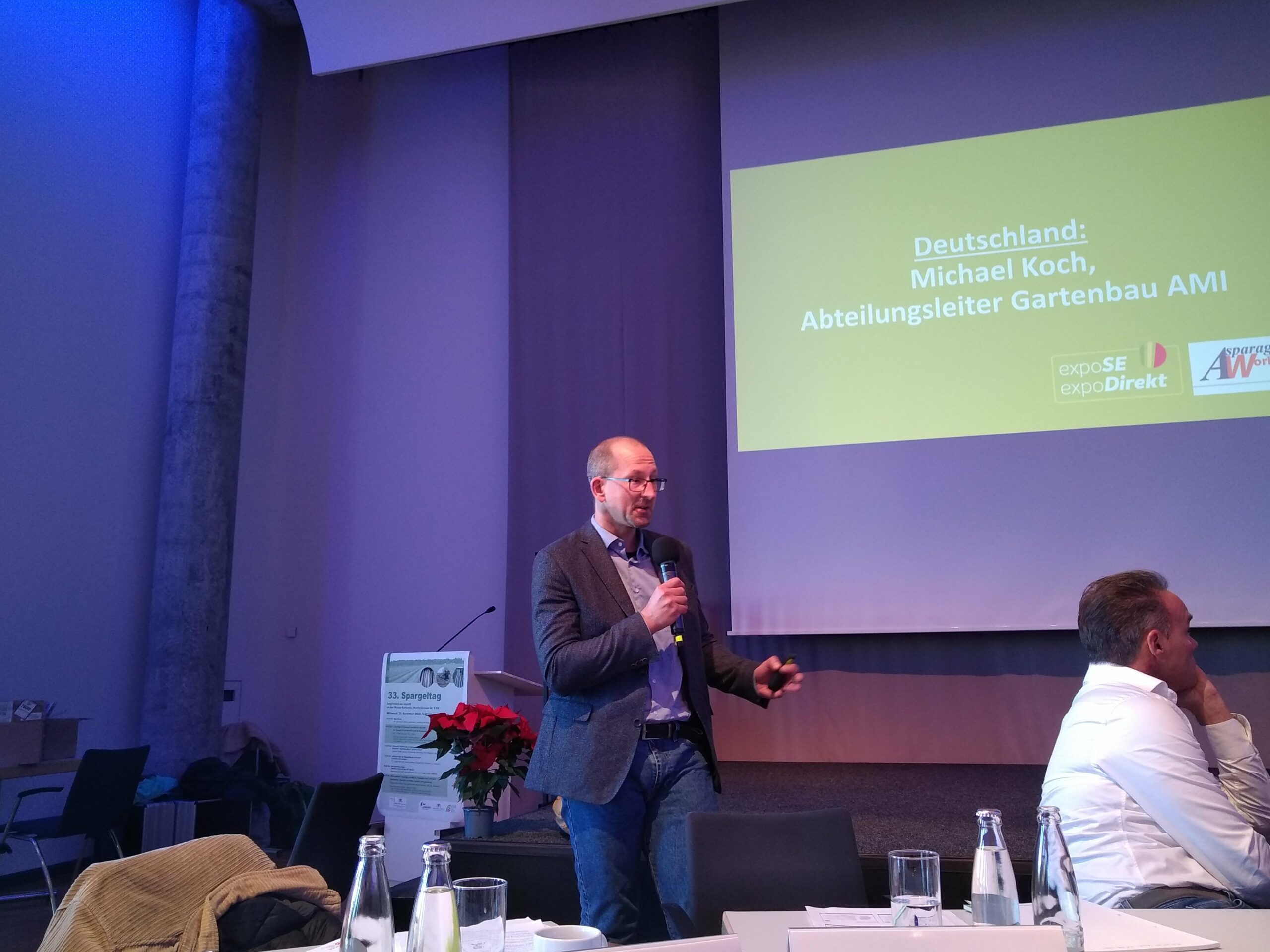
With a volume of 110,300 tons, Germany grew 40% of Europe’s asparagus crop in 2022. But Europe’s exporter countries needn’t fear, says AMI’s Michael Koch, because “we keep almost all our asparagus for ourselves – we don’t export much.” He was among the speakers at the International Asparagus Meeting held last November 23 as part of the asparagus and berry show, ExpoSE in Karlsruhe, Germany. Koch, head of Horticulture at AMI, Germany’s expert in agricultural market intelligence, provided a snapshot of supply and demand in the German asparagus market and a glimpse of where it may be headed in 2023.

Asparagus production declining in Germany

Koch started by outlining the changing production dynamic in Germany, where the volume has been on a downward slope in the last five years. The country reached a record of 133,020 tons in its asparagus production in 2018 which was “followed by very low prices, so in the last few years, production has reduced,” he said. The total asparagus acreage in Germany in 2022 was 25,046 ha, which was 2.5% below the previous year. The area actually in production in 2022, 21,267 ha, was down 5% YoY, while the area not used for production increased 11%. The harvest total of 110,300 tons was 7.5% under that of 2021 and Koch said a further drop is expected for the 2023 season, “because there was very weak demand in 2022 due to consumer uncertainty and we saw a decrease in prices, so some of the producers decided to stop harvesting before the time.” The average yield in 2022 was 5.19 t/ha, which was 3% lower than in 2021. and “we expect this number to be a bit lower in 2023,” Koch said.

Cultivation methods and how the harvest is rolled out

Covering the asparagus rows with plastic foils is the norm in Germany, where only about 10-14% of the planted area is without cover. Black or white covers are used for 84% of the area, triple cover for about 7% and perforated foil 2%. Mini tunnels account for 41% of the planted area. The harvest season kicks off in February with small quantities from some heated production areas, “but we’ll have to see if this is possible in the coming years due to the high cost of energy,” Koch said. After the heated cultivation the harvest moves to the plants under triple cover, double cover and then single cover with black or white top. “The challenge in most years is the time between April and May when all the acreage is in harvest and if the temperature is high and there’s a lot of sun, there is too much supply for the demand we have in Germany and this is always the time when prices go down in Germany,” Koch said. Last year the prices were too low to cover the rising production costs, he said.

Market supply and distribution channels

Of the 110,300 tons produced in 2022, producer organisations accounted for only about a tenth, “which is not very high,” Koch said, adding that there are many different players in the German market, which can sometimes be problematic for the market operation. Adding the imports to the domestic production made for a market supply of 129,800 tons in 2022, from which losses along the value chain to the tune of 28,400 tons are deducted, as well as Germany’s exports of 2,900 tons, to arrive at a total of 98,600 tons available for domestic consumption last year.

Asparagus still regarded as a specialty item in Germany

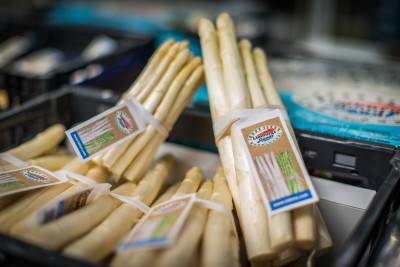
While white asparagus accounts for a 90% share of German production and green 10%, the relative shares are different when it comes to consumer demand in the country. Koch said German shoppers are shifting a little bit towards more green asparagus consumption, an area of demand that is mostly supplied by imports. Germans may have a reputation as the European champions of asparagus consumption, but Koch explained that, “there was very weak demand in 2022 due to consumer uncertainty and we saw a decrease in prices.” Overall, per capita consumption of fresh asparagus averaged 1.17 kg in Germany in 2022, compared to 1.33 kg in 2021 and 1.28 kg in 2020. Of the about 98.600 tons available for domestic consumption in Germany in 2022, private households accounted for 72% (70,971 t) and HoReCa for 28%. Koch highlighted that 61% of the private household purchases are from food retailers (about 43,200 tons in 2022), of which the share for discounters was just 33%. “This is very different to vegetables in total, for which discounters hold a (retail) share of around 50%, so asparagus is still a specialty.” He said a similar dynamic is seen in the non-retail segment, which accounts for 38% of sales to private households (27,200 tons), where at 18%, the share of asparagus bought direct from farms is very high, “much higher than for vegetables in total.”


Most of Germany’s fresh spear imports are green

April and May are the months when Germany imports most fresh asparagus, with Spain and Greece being the top source countries, followed by Italy, Peru and other countries. “Mexico is becoming a new big player and a substitute for the asparagus coming from Peru,” Koch said. Germany is 86% self-sufficient in fresh asparagus but nevertheless imported about 19,500 tons of fresh asparagus in 2022, “which was a low number,” said Koch, given that in other years it’s usually between 22,000-26,000 tons. While it’s currently not possible to quantify, the majority of the imports are understood to be green asparagus, with only small volumes of white asparagus imported, he said. Germany also exports asparagus, some in April and the majority in May, “but don’t be afraid,” Koch told audience members from other produce countries, “because as you can see, we are talking about less than 5,000 tons, which is a very small share of the total production.”

Rising seasonal worker costs a challenge

While in 2020 it was difficult to bring in harvest workers due to the pandemic, the availability of labour was better in 2021 and again last year. It’s estimated that Romania is the origin of 80% of the harvest workforce, followed by Poland with 15%, and 5% coming from other counties, such as Croatia and Bulgaria. During the harvest, the incentive (performance) wage is most common but other work is paid by hourly wages. The latter is one of the big challenges for the sector, “because in October, 2022, the minimum wage rose to €12 gross, an increase of 22% compared to the previous season,” Koch said. In exceptional cases, short-term employment conditions can apply, under which  social security contributions aren’t required. For about 30% of employees on German asparagus and berry farms, however, social security contributions must be paid by the employer, which means an additional cost to the tune of about 20% of the gross wages.

Diseases and pests

Germany generally didn’t have too many problems with diseases and pests last year however, during spring of 2022 there was a strong and long-lasting wave of the asparagus beetle which caused significant damage to green asparagus crops. In September, there was a small outbreak of the small asparagus aphid but it did not affect a large area and was largely without consequences. Similarly, there was one outbreak of asparagus fly last year, once again without significance. Also, last season’s drought and warm weather did not cause any significant disease pressure. There were some cases of Stemphylium but of no great importance. There was a short period of asparagus rust in spring and in August there was rust in almost all regions but seemingly with no consequences, Koch said. On the drought, Koch added, “We had to irrigate the plantations after the harvest so that meant another cost for production.”