Archive

Agrivaloire présente ses dernières nouveautés pour l’asperge avec la butteuse Engels, la peleuse de turions Tenrit et toute sa gamme de gouges pour la cueillette
A vendre d’occasion une butteuse asperge chez Roussel Agri62
Nuevas normas europeas para el esparrago blanco y verde
News normes european for green and white asparagus
Nouvelles normes européennes pour les asperges vertes, blanches, violettes avec en particulier la longueur des turions
La CE publica la solicitud de registro del espárrago verde de Guadalajara como IGP por Valencia Fruits
First heated asparagus from Northern Baden now available by FreshPlaza
Asparagus Update Week 10:
First heated asparagus from Northern Baden now available
In Northern Baden, the first asparagus has already been harvested: On March 2nd, around 30 kilograms were harvested at Forlenhof by Steffen Großhans. This was made possible by the 250 dairy cows on Forlenhof, or rather their excretions. These excretions power a biogas plant that produces electricity and heat by fermenting biomass. At the peak of the asparagus season, the quantity will rise to an average of about 150 kilograms. Then, the current price of 25 EUR per kilogram will drop slightly, according to the forecast.
NRW: 20 euros for a kilogram of asparagus?
«Three hours of sunshine per day would be enough, then maybe we’ll have asparagus by Easter!», says Johannes Miermann in an interview with Tagesschau. At least there will be asparagus later in the year. However, possibly less, which would make the asparagus more expensive: «So, we’re getting close to the 20-euro mark per kilo,» says Justus Beckmann. «But the price will go down over the season.» At Wesel asparagus producer Peter Heinen’s fields, work has not been possible so far. «And that’s probably going to take a few more weeks,» he says in an interview with NRZ.
Also, Ludwig Hengemann is a bit gloomy about the situation for lovers of the white gold: «I highly doubt we can harvest asparagus in commercial quantities by Easter. We might get a handful of spears out, but not much more.» The 30-year-old farmer operates an asparagus farm in Everswinkel in the district of Warendorf (NRW). He primarily cultivates white, but also green asparagus on eight hectares of land.
Lower Saxony: Optimism despite wet conditions
Asparagus growers in Lower Saxony are hoping for dry weather for the upcoming harvest season. If it stays dry over the next few days, some farms may be able to offer their first homegrown asparagus by Easter, said Fred Eickhorst from the Association of Asparagus and Berry Growers based in Sandhatten near Oldenburg. However, he remains optimistic that at least some farms will be able to offer the first regional asparagus by Easter.
Eastern Germany: Moisture could lead to smaller spears
Floods and a lot of rain: Saxony’s asparagus farmers are also looking beneath their covers with concern this year. The roots of the noble vegetable are often still wet, and can even rot. MDR visited three asparagus farms in the Altmark, at Nieschütz (LK Meißen), and in Leipzig. In addition, they address the increasing image problem of the noble vegetable: Younger customers have become rare. Consumption and consequently the cultivation area have been declining for some time.
Découvrez Blandine, l’asperge du Blayais par Aquitaine Online
Carlos Ortega, gerente de Hortovilla: “El espárrago mexicano está siendo esta campaña una competencia real para el español” “A pesar de venir de 9.000 km, tardan el mismo tiempo en llegar a Europa en avión que nosotros por carretera” por FreshPlaza
Carlos Ortega, gerente de Hortovilla: “El espárrago mexicano está siendo esta campaña una competencia real para el español”
“A pesar de venir de 9.000 km, tardan el mismo tiempo en llegar a Europa en avión que nosotros por carretera”
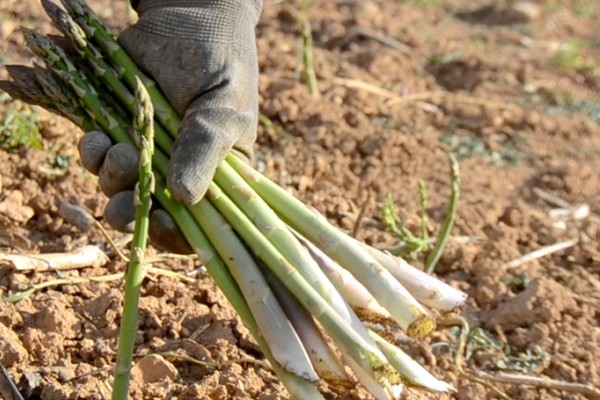
«Los clientes ya están preguntando por el espárrago español, pero vemos que en el mercado europeo hay mucha oferta de espárrago mexicano; por lo que los precios a los que vamos a salir ya son más bajos que los del año pasado».
«Todos dependemos mucho de la climatología. Nosotros empezaremos más tarde y se ve que ellos allí estarán teniendo un buen tiempo y una producción fuerte en este momento que coincide con nosotros», señala Carlos. «Además, a pesar de producirse a 9.000 km, en envíos aéreos llegan al mercado europeo, por ejemplo, en el mismo tiempo en el que nosotros tardamos en llegar por carretera, siendo una competencia real para los espárragos españoles».
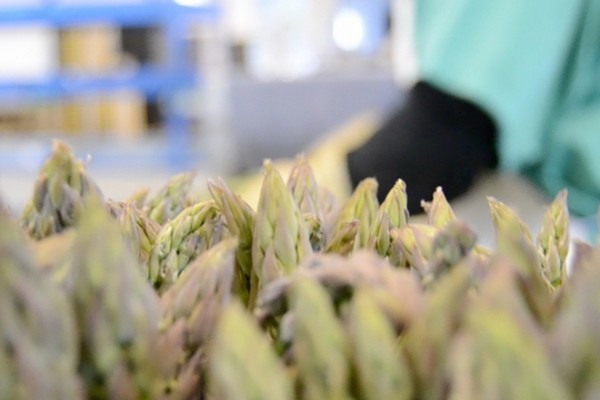
«Es cierto que en calidad y también en precio, por los menores costes logísticos, podemos competir con las importaciones; pero ellos llevan ya mes o mes y medio en plena producción y pueden hacer bajadas de precio, mientras que para nosotros el precio en el inicio de campaña debería ser el más alto, y este año estaremos perdiendo parte del valor que esperábamos conseguir». Sobre todo, recuerda Carlos, después de dos campañas consecutivas bastante complicadas con producciones por debajo de la media para un sector muy importante a nivel social y económico en la provincia de Granada.
«El año pasado las pérdidas en producción estuvieron en torno a un 25 y un 30%. Esperemos que pese a la helada de finales de febrero, no bajemos más de ahí y podamos recuperarnos finalmente esta campaña».
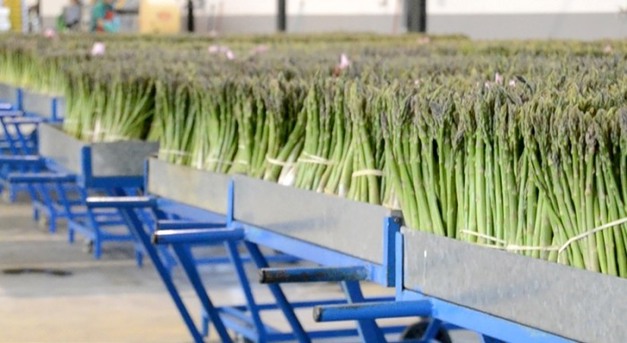
 Para más información:
Hortovilla
Paraje los Llanos, s/n
18369 Villanueva Mesía, Granada (España)
Tel.: +34 958 44 43 47
http://www.hortovilla.com