Camposol Holding PLC has released its preliminary financial results for the third quarter of 2025, covering the period ending September 30. The figures, prepared under International Financial Reporting Standards, remain subject to adjustment following the completion of audited financial statements.
For the first nine months of 2025, the company reported sales of USD 367 million, a 21 per cent increase compared with the same period of 2024. Volumes sold reached 99,737 metric tons, up 35 per cent year-on-year. EBITDA stood at USD 101.2 million, down 1 per cent from the previous year, with a margin of 28 per cent. Net profit was USD 19.2 million, a 41 per cent decline. The company’s net debt to EBITDA ratio was 2.81x.
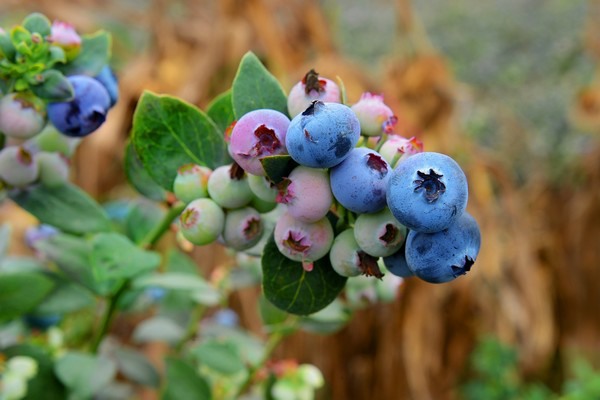
During the third quarter, Fitch Ratings upgraded the company’s long-term credit ratings to B+. The company also inaugurated a new biofactory in Virú, northern Peru. The 2,000-square-metre facility integrates in-vitro and ex-vitro production and has a stated annual capacity of up to five million blueberry plants. The facility is intended to support the company’s varietal development programme and long-term planting plans.
Camposol took part in several industry events throughout the quarter, including meetings focused on avocado and blueberry production. The company also received recognition from Peruvian export and regional trade organisations and obtained ISO 37001 certification for its anti-bribery management system.
In a statement, CEO Ricardo Naranjo said, “The third quarter demonstrated the continued strength of our strategy and disciplined execution. We delivered another solid financial performance, maintaining our Net Debt-to-EBITDA ratio well below the 3.5x threshold for the fifth consecutive quarter, reinforcing the progress of our deleveraging trajectory and the resilience of our financial profile.” He added that the inauguration of the Virú biofactory enhances the company’s development capacity and supports its replanting and new planting programs.
Blueberry volumes in the first nine months grew 62.8 per cent year-on-year to 36,500 metric tons. Sales reached USD 242.2 million, up 34.1 per cent, while gross profit rose 38.7 per cent. Cost per kilogram decreased 19.9 per cent, supported by pruning strategies applied in 2024 and an earlier start to the 2025–2026 season. Avocado volumes rose 14 per cent, and the company reported a 20 per cent gross profit margin for this crop despite lower market prices.
Tangerines experienced lower volumes and quality due to adverse weather in Uruguay and Peru. Mangoes and grapes performed in line with expectations following the close of the 2024–2025 season. Capital investments continued during the period, including funding for the new biofactory and nursery.
Short-term debt represented less than 27 per cent of total debt, and the company expects working capital levels to ease as blueberry collections take place in late 2025 and early 2026.
The rush to grow strawberries in Egypt results in falling prices
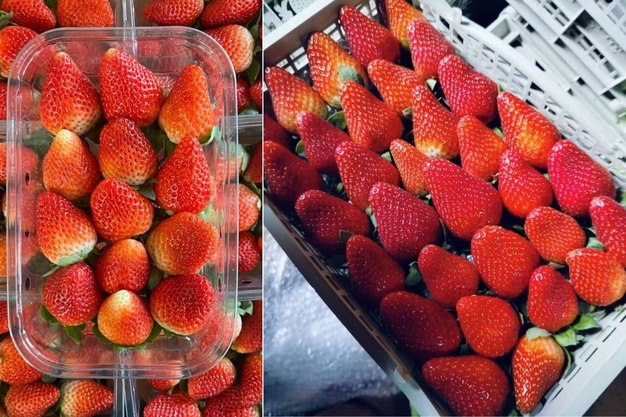
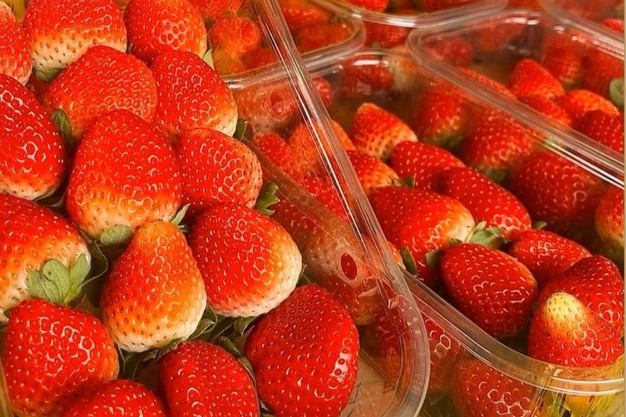
The first Egyptian strawberries of the season are hitting the market. The industry is emerging from a difficult planting period, marked by issues with seedling quality, only to face a decline in value. However, according to several growers, export volumes this season are expected to reach record highs.
Amr Kadah, export manager at Fruit.Farm, sums up the situation: “The strawberry acreage in Egypt has increased dramatically this year. Growers rushed to cultivate strawberries, and the total area increased by 35% to reach more than 100,000 feddans (1 feddan = 0.43 ha). This has been accompanied by widespread problems with the supply of good-quality seedlings, necessitating extensive replanting. We are now seeing huge volumes and very low prices at the start of the season.”
This craze for strawberries has naturally led to fierce competition among Egyptian exporters themselves. Kadah says, “Despite increased production and transportation costs, prices for fresh strawberries are now lower than last season.”
“Strange strawberry season. We are barely two weeks in, and already we are witnessing a masquerade in the markets. I do not understand how a box of strawberries can be exported at half its cost to Gulf countries,” an Egyptian exporter rants on LinkedIn.
Kadah comments, “This is the inevitable result of the large expansion in acreage and the big jump in volumes. We expect to exceed 550,000 tons exported in a single season, in both fresh and frozen strawberries.”
According to the exporter, strong demand and greater market diversification will help sustain the export campaign. He explains, “We expect a large increase in exports to China, which has exempted Egyptian exports from customs duties. China will join markets that import Egyptian strawberries in large quantities, such as Arab countries, Europe, and Russia.”
“Egypt is therefore set to remain at the top of the podium as the leading exporter of strawberries for the fourth consecutive year, despite strong competition, surpassing all other sources such as China, the United States, Mexico, Chile, Turkey, Morocco, and Spain, thanks to unbeatable prices,” the exporter continues.
According to Kadah, this season’s Egyptian production is dominated by the Florida, Sweet Sensation, Fortuna, and Festival varieties. He concludes: “We strive to offer our partners in all regions of the world the variety they want, at competitive prices and with impeccable quality.”
For more information: Amr Kadah Fruit.Farm Tel: +201009288377 Email: amr.kadah@mail.ru
« Des volumes records de myrtilles péruviennes étonnamment bien absorbés par le marché européen » par Debra van den Oever, de Berries Pride (Pays-Bas) et FreshPlaza
Debra van den Oever, de Berries Pride (Pays-Bas) :
« Des volumes records de myrtilles péruviennes étonnamment bien absorbés par le marché européen »
Après le passage d’El Niño et la saison qui l’a suivi, on s’attendait cette année à des volumes monstres de myrtilles au Pérou. « Les deux dernières saisons, les prix ont été extrêmement élevés en septembre et en octobre. Tout le monde était donc prêt pour une année normale, avec une bonne offre », explique Debra van den Oever de Berries Pride à De Lier. « Au début de la saison, on a même craint de ne pas pouvoir écouler ces volumes, mais à la surprise générale, ceci s’est avéré complètement injustifié. Nous avons obtenu de très bons prix et certaines semaines même plus élevés en Europe qu’en Amérique et en Chine. Vers la semaine 35, les baies de calibre 14+ à forte acidité conditionnées en 12×125 g se vendaient 4 à 6 $/kg FOB en Chine et 7 à 9 $/kg sur le marché néerlandais. »
Jose Castilla de los Santos, Debra van den Oever et Michael Aagaard de Berries Pride
Un potentiel infini « Avec les bonnes productions, cela conduit à une augmentation énorme de 48 % des myrtilles envoyées du Pérou vers l’Europe par rapport à 2024. Ces volumes ont été étonnamment bien absorbés. Cela montre que la consommation de myrtilles continue de croître. Le potentiel des myrtilles est infini à mon avis. Il y a encore beaucoup de marchés qui ne connaissent pas ce produit et de plus en plus de pays émergents le commercialisent. Par exemple, dans un pays comme l’Ouzbékistan, les myrtilles viennent à peine d’apparaître. Là-bas pour l’instant, les myrtilles sont encore considérées comme un produit de luxe, mais dès que nous commencerons à nous adresser à d’autres groupes cibles, les volumes augmenteront et la consommation pourra croître considérablement. »
« Cet été, lorsqu’il est apparu que que le Pérou entrerait sur le marché avec des volumes importants, les détaillants européens ont bien réagi en planifiant des promotions. Cela reste crucial, car il ne faut pas que ces volumes supplémentaires se retrouvent sur le marché au comptant. C’est surtout en Allemagne, qui est un gros acheteur, qu’il y a eu un grand nombre de promotions. Les myrtilles sont de plus en plus souvent proposées dans de gros emballages, comme en 500 g et en 750 g ou même 1 kg en Allemagne. Ce dernier est idéal pour les familles. Nous emballons nos myrtilles d’importation aux Pays-Bas avec nos machines, mais pendant la saison espagnole et marocaine, les producteurs conditionnent eux-mêmes directement dans le champ, ce qui réduit les manipulations et les coûts. »
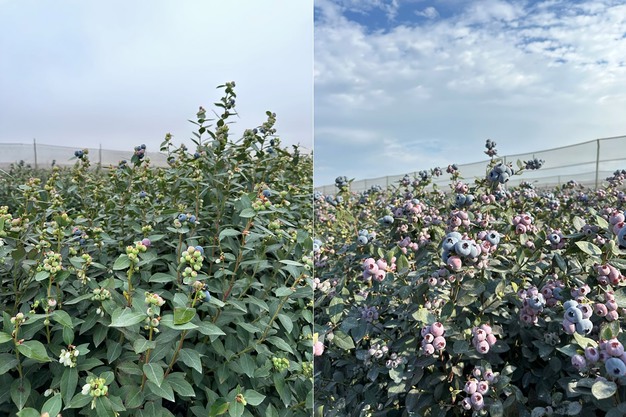
Répondre aux préférences gustatives des consommateurs « Au Pérou, la saison a commencé tranquillement car la production de myrtilles Ventura avait un peu ralenti. Cette variété reste la plus connue, et ce qui est formidable, c’est qu’aujourd’hui, grâce aux nouvelles variétés, nous pouvons aussi répondre de plus en plus aux préférences gustatives des consommateurs. Aujourd’hui, nous vendons aussi beaucoup de Sekoya Pop, pour les clients qui préfèrent les baies croquantes. Nous proposons Bianca pour les clients qui préfèrent les petits fruits sucrées et Abril pour ceux qui recherchent une bouchée aromatique. Cela nous permet de répondre aux besoins de chaque marché de manière personnalisée. Le marché scandinave, par exemple, préfère les baies fermes avec un peu d’acidité, tandis qu’en Europe de l’Est, les consommateurs préfèrent les petits fruits plus sucrées. L’avantage du Pérou, c’est que l’on peut replanter rapidement, de sorte que les nouvelles variétés – qui sont souvent plus résistantes aux changements climatiques – sont disponibles sur le marché dans un délai relativement court. »
Ventura et Sekoya Pop
« Cette année, le Pérou a connu une forte humidité en mai, juin et juillet. Par conséquent, les plantes se sont physiologiquement physiologiquement très lentement et sont entrées en dormance. En fonction de la variété et du calibre, nous constatons aujourd’hui que les volumes chutent plus fortement que prévu et que, par conséquent, nous n’obtiendrons peut-être plus les volumes escomptés au départ. Chaque variété réagit différemment. Avec Ventura en particulier, la deuxième floraison semble moins abondante et la productivité a diminué. C’est aussi la raison pour laquelle certains producteurs ont déjà décidé de tailler. »
Berries Pride s’engage pleinement à étendre les zones de culture au nord et au sud. « Pas moins de 70 % de la culture a lieu dans le nord, mais nous avons consciemment choisi d’avoir un bon équilibre entre le nord et le sud, où le climat est différent. C’est ainsi que nous avons pu avoir de bons volumes, même pendant El Nino. »
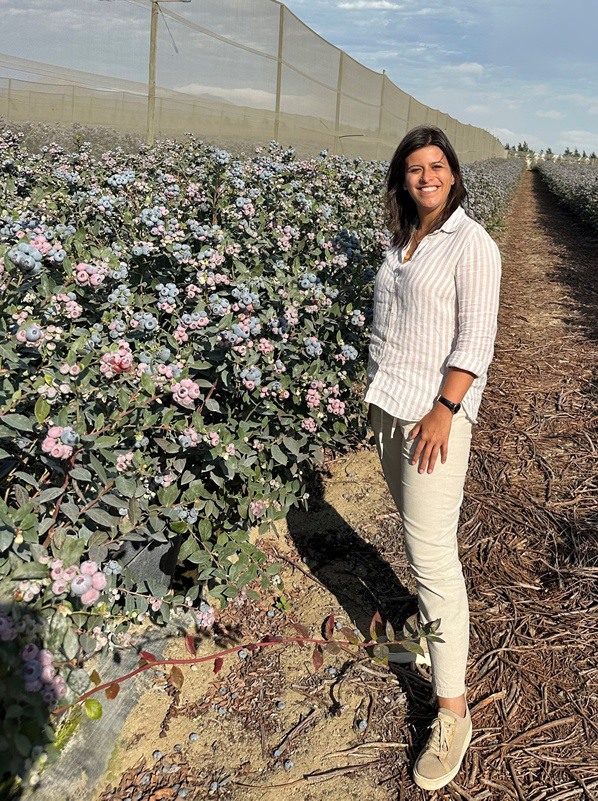
De quelques boîtes en 2013 à 3 millions de kilos En peu de temps, le Pérou est devenu le premier exportateur mondial de myrtilles. « Cette année, le Pérou compte une superficie totale de 26 000 hectares de plants. De nouvelles parcelles d’essai sont créées à raison de 100 hectares à chaque fois. C’est pourquoi le développement est si rapide », explique van den Oever, qui, de père néerlandais et de mère péruvienne, a un lien naturel avec les deux pays. « J’adore être témoin de ce développement. Nous avons commencé avec quelques boîtes au Pérou en 2013 et nous nous dirigeons maintenant vers les 3 millions de kg par an. Berries Pride essaie de se différencier avec de nouvelles variétés et catégories. Cette année, nous avons lancé les baies 20 et 22+, qui répondent spécifiquement aux préférences gustatives des clients et aux applications, telles que les enfants ou la consommation nomade. Par ailleurs, nos clients grossistes préfèrent souvent des fruits un peu plus gros. »
Par ailleurs, la saison des myrtilles chiliennes arrive à grands pas. « La saison commence une semaine plus tôt et les volumes les plus importants en provenance du Chili arriveront entre les semaines 4 et 7. Nous ne nous approvisionnons plus nous-mêmes au Chili, car nous avons réussi à faire le lien entre le Pérou et le Maroc il y a quatre ans. Cette solution nous convient parfaitement en raison de la qualité et de la logistique constantes du Pérou. Compte tenu de la baisse de l’offre en provenance du Pérou, nous nous attendons à une bonne transition. Du Chili, nous prévoyons une saison similaire à celle de l’année dernière, bien que cela dépende également de la demande du marché américain. » Aux Pays-Bas, il est difficile de jouer un rôle dans l’exportation des myrtilles d’Amérique latine vers le marché chinois. « De nombreux producteurs y ont eux-mêmes des bureaux. Et avec le nouveau port de Chancay, le temps de transit Pérou-Chine a diminué de manière significative. Auparavant, cela pouvait prendre jusqu’à 40 jours avec des retards, alors qu’aujourd’hui, ce délai a été ramené à un peu plus de trois semaines. Je pense que l’unicité du marché chinois réside dans le fait qu’ils sont les plus honnêtes et les plus transparents sur ce qu’ils pensent de la valeur des baies. Ils n’apprécient pas les fruits acides et si vous leur en fournissez, vous êtes fini !. »
Better Together « Chez Berries Pride, la durabilité fait partie de notre ADN. Nous continuons à étudier l’impact du climat, de l’eau et de l’environnement dans les pays où nous nous approvisionnons. Notre slogan Better Together sous-entend l’attention que nous portons aux personnes et à la nature. Nous apprécions chaque jour de magnifiques produits provenant du monde entier et nous nous sentons donc responsables de veiller à ce que les générations futures puissent continuer à en faire autant. Chaque nouveau partenariat doit reposer sur des bases solides. Nos producteurs partenaires sont désormais certifiés à 99,8 % sur le plan social et à 95 % en ce qui concerne la gestion de l’eau. Mais nous allons plus loin que les seules certifications. Entre autres choses, nous avons fait procéder à un contrôle préalable des droits de l’homme et de l’environnement avec l’aide d’une organisation indépendante dans les pays à haut risque où nous nous approvisionnons, afin d’identifier les principaux défis à relever dans chaque pays. L’accès à l’eau potable dans les communautés locales est l’une des questions qui est ressortie avec force dans plusieurs pays. Avec un producteur de myrtilles et d’avocats au Pérou, nous avons lancé un projet sur la manière dont nous pouvons améliorer l’eau, l’assainissement et l’hygiène dans les conditions de vie des communautés locales. Nous ne pouvons pas toujours faire la différence seuls, mais ensemble si ! »
Le Pérou prévoit une croissance de 10 % de ses exportations agroalimentaires d’ici 2025
Au cours des deux dernières décennies, le Pérou s’est imposé comme un acteur majeur sur la scène agricole internationale, se positionnant parmi les principaux exportateurs mondiaux de produits tels que les asperges, les myrtilles, les avocats et les raisins de table. Cette croissance a non seulement fait des exportations agricoles la deuxième source de revenus du pays après l’exploitation minière, mais elle a également contribué de manière significative à l’emploi national, en touchant près d’un quart de la population.
Diversité géographique et climatique : le grand avantage du Pérou L’un des principaux atouts du Pérou est sa diversité naturelle. Avec jusqu’à 38 types de climats différents sur l’ensemble de son territoire, le pays peut produire des denrées alimentaires tout au long de l’année. Cette capacité lui confère un avantage comparatif par rapport à d’autres pays qui dépendent de saisons plus marquées.
Géographiquement, le Pérou est divisé en trois régions : la Côte, les Hauts Plateaux et la Jungle. La côte péruvienne, bien qu’étant une région essentiellement désertique, concentre environ 60 % de la population – principalement urbaine – et a réussi à développer une agriculture à haute valeur ajoutée grâce à l’utilisation extensive de systèmes d’irrigation technicisés. Cela a permis la production de cultures destinées à l’exportation telles que le raisin de table, l’avocat, la mangue, les myrtilles, l’asperge, l’artichaut, l’oignon et le poivron, en particulier dans les mains de grandes agro-industries. Il convient de mentionner que la côte nord, et dans une moindre mesure la côte centrale, est vulnérable au phénomène côtier El Niño, qui apporte périodiquement des pluies abondantes et parfois dévastatrices.
En revanche, les hautes terres abritent 26 % de la population nationale, avec une prédominance de petits agriculteurs exploitant des parcelles de moins de cinq hectares. Ces producteurs se concentrent sur le marché intérieur et cultivent des produits traditionnels tels que les pommes de terre, le maïs, le quinoa, les choux, les carottes et les tomates. Toutefois, certaines régions andines produisent également des cultures plus commerciales, telles que l’avocat, et des cultures telles que la cerise sont en cours d’expérimentation.
La jungle, qui représente 60 % du territoire national, n’abrite que 14 % de la population. L’agriculture de subsistance y prédomine, bien que la production commerciale de café, de cacao, de bananes, de gingembre et de curcuma ait augmenté ces dernières années.
Structure agricole et défis pour les petits exploitants La plupart des produits agro-exportés du Pérou – tels que l’avocat, la mangue, la banane, les agrumes, les asperges, les poivrons, les artichauts, les oignons, le gingembre et le curcuma – sont cultivés par de petits producteurs, une configuration en partie favorisée par la réforme agraire des années 1970 et la fragmentation subséquente des terres par voie d’héritage. Les petites exploitations sont nombreuses dans certaines zones de la côte et dans l’ensemble des hauts plateaux et de la jungle.
Cette atomisation des terres crée des obstacles à une commercialisation efficace, en raison d’un manque d’organisation, d’infrastructure, de normalisation et d’accès à la technologie. Pour surmonter ces obstacles, plusieurs entreprises exportatrices misent sur l’intégration des petits producteurs par la formation, la fourniture d’intrants et le regroupement des volumes de production.
En revanche, les cultures telles que les raisins et les myrtilles sont principalement cultivées sur de grandes extensions gérées par des entreprises agro-industrielles, ce qui facilite la standardisation, le respect des normes phytosanitaires internationales et l’accès direct aux marchés mondiaux.
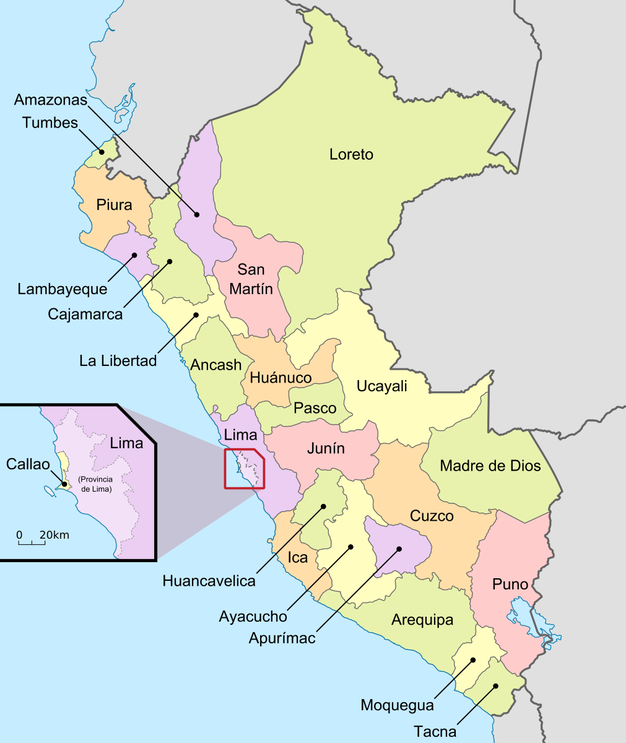
Chiffres de croissance : les exportations agroalimentaires en voie d’atteindre 14 milliards de dollars Selon les projections de la Ministre du Commerce Extérieur et du Tourisme, Teresa Mera, les agro-exportations péruviennes dépasseront les 14 milliards de dollars en 2025, ce qui représentera une croissance de 10 % par rapport à l’année précédente. Ce dynamisme se concentre principalement dans les régions côtières, Ica, La Libertad, Piura et Lambayeque représentant plus de 80 % des exportations totales.
Top 5 des agro-exportations péruviennes (2024)
1. Myrtilles Avec plus de 20 000 hectares plantés, le Pérou est le premier exportateur mondial de myrtilles, devant les États-Unis et le Maroc, qui occupent les deuxième et troisième places avec des expéditions 6 fois inférieures à celles du Pérou. En 2024, il a exporté 325 846 tonnes pour une valeur de 2 269 millions de dollars. La Libertad et Lambayeque représentent plus de 75 % de la production. La saison des récoltes commence généralement en juin, atteignant les volumes d’exportation les plus élevés en septembre et octobre et se terminant en mars de l’année suivante. Les États-Unis sont la principale destination, absorbant 57 % des expéditions, suivis par l’Union européenne (22 %), la Chine et Hong Kong.
2. Raisin de table Le Pérou est également en tête des exportations de raisin, avec 558 063 tonnes expédiées en 2024, pour une valeur de 1 705 millions de dollars, devant le Chili (529 470 t) et la Chine (483 373 t en 2023). La récolte commence en septembre et dure jusqu’en avril de l’année suivante, le plus grand volume d’expéditions à l’étranger se situant en décembre et janvier. Ica et Piura représentent plus de 80 % de la production. Les principaux marchés sont les États-Unis (47 %), l’Union européenne (17 %) et l’Asie (13 %). La superficie cultivée dépasse les 22 000 hectares.
3. Les avocats Avec environ 35 000 hectares cultivés dans tout le pays, notamment à Lambayeque, La Libertad, Lima et Ica, le Pérou a exporté 570 457 tonnes en 2024, pour une valeur de 1 247 millions de dollars. Il est le deuxième exportateur mondial, après le Mexique (1 1220 918 t) et devant Israël (151 374 t en 2023). Les exportations ont lieu pratiquement toute l’année, mais la plupart des expéditions à l’étranger ont lieu entre mars et septembre. L’UE est le principal acheteur d’avocats péruviens (51,8 %), suivie des États-Unis (13,9 %).
4. Asperges Le Pérou a la capacité unique de produire des asperges tout au long de l’année. En 2024, il a exporté 96 731 tonnes (406 millions de dollars). Il est le deuxième exportateur mondial, derrière le Mexique (129 837 t) et devant les Etats-Unis (42 873 t en 2023). La Libertad est en tête de la production nationale avec 50 %. La superficie est d’environ 28 000 hectares.
5. Mangues Principalement concentrées à Piura (65 %), les mangues péruviennes sont exportées entre octobre et avril. En 2024, 177 903 tonnes ont été expédiées pour 317 millions de dollars, faisant du Pérou le quatrième exportateur mondial, derrière le Mexique (461 766 t), la Thaïlande (377 351 t) et le Brésil (266 575 t en 2023). La superficie cultivée est de 42 000 hectares.
En 2024, le Pérou a exporté 195 032 t d’agrumes pour une valeur de 255 millions de dollars, tandis que les exportations de paprika séché ont atteint 34 400 t et généré 130 millions de dollars. Les oignons frais ou réfrigérés ont exporté 308 368 tonnes, avec des revenus de 127 millions de dollars. Les artichauts préparés ou conservés se sont élevés à 43 445 tonnes et ont rapporté 120 millions de dollars, et les bananes, principalement biologiques, ont atteint 150 760 tonnes pour une valeur de 115 millions de dollars. Enfin, le gingembre a atteint 47 793 t exportées, pour une valeur de 104 millions de dollars, malgré la récente baisse des volumes. Ensemble, ces 11 produits représentent 53 % des exportations agroalimentaires péruviennes. Outre ces produits, le café (8,6 %) et le cacao (5,8 %) restent des acteurs importants du panier agro-exportateur.
Destinations internationales et logistique portuaire Les principales destinations des agro-exportations péruviennes sont les suivantes : États-Unis (34,7 %), Pays-Bas (14,8 %), Espagne (6,4 %), Royaume-Uni (3,7 %), Chili et Mexique (3,5 % chacun), Équateur (3,1 %), Allemagne, Chine et Canada (entre 2,4 % et 2,6 %). Par région : Les États-Unis et le Canada absorbent 37,1 %, l’Europe 33,2 %, l’Amérique latine 17,2 % et l’Asie 10,1 %.
Les principaux ports de départ en 2024 sont Callao (39 %), Paita (Piura ; 19,4 %), Salaverry (La Libertad ; 14,1 %), Pisco (Ica ; 11,6 %) et Chiclayo (Lambayeque ; 4,7 %). Une attention particulière doit être accordée au port de Chancay (0,5 % en 2024), qui se profile comme un point clé pour renforcer la connexion avec le marché asiatique, où la demande de fruits péruviens croît rapidement.
Expansion future : investissements et nouveaux projets agricoles L’agence publique Proinversión a identifié un grand potentiel d’expansion de l’agriculture moderne dans le pays. Elle estime que, grâce à des partenariats public-privé (PPP), quelque 250 000 nouveaux hectares pourraient être mis en culture, ce qui représenterait un investissement de plus de 4,3 milliards de dollars. Cela permettrait de doubler la zone d’agro-exportation actuelle, qui est actuellement d’environ 250 000 hectares. Le développement des projets agricoles devrait être entre les mains de grandes entreprises agroalimentaires.
Les projets les plus importants sont les suivants Chavimochic III Etapa (La Libertad ; ~111 000 ha), Majes Siguas II Etapa (Arequipa ; ~38 500 ha), Chinecas (Ancash ; ~83 000 ha) et Chancay-Lambayeque (Lambayeque ; ~20 000 ha). De plus, l’inclusion de 168 000 ha supplémentaires est en cours d’évaluation dans le cadre de projets tels que Olmos II (Lambayeque), Pampas Verdes (Ayacucho), Alto Piura et Chira (Piura).
*Les données fournies dans cet article proviennent du Ministère du Développement Agraire et de l’Irrigation (Midagri), du Ministère du Commerce Extérieur et du Tourisme (Mincetur), de la Surintendance Nationale des Douanes et de l’Administration Fiscale (Sunat), de l’Institut National de la Statistique et de l’Informatique (Inei) et de Faostat.
Peru expects a 10% growth in agro-exports by 202 by FreshPlaza
Peru expects a 10% growth in agro-exports by 2025
Over the past two decades, Peru has firmly established itself as a major player in global agriculture. It now ranks among the world’s top exporters of products like asparagus, blueberries, avocados, and table grapes. This rapid growth has made agricultural exports the country’s second-largest source of income, after mining, and has significantly boosted employment, directly or indirectly involving nearly a quarter of the population.
Peru’s natural advantage: geographic and climatic diversity One of Peru’s greatest strengths lies in its natural diversity. With up to 38 different climate types across its territory, Peru can grow crops year-round. This gives it a clear edge over other countries with more rigid seasonal cycles.
Geographically, Peru is divided into three regions: the Coast, the Highlands (Sierra), and the Jungle (Selva). The Coast, although mostly desert, is home to around 60% of the population—mainly in urban areas. Thanks to the large-scale use of modern irrigation systems, this region has developed a high-value agricultural sector. Here, export-oriented crops are grown, such as table grapes, avocados, mangoes, blueberries, asparagus, artichokes, onions, and peppers. However, northern and, to a lesser extent, central coastal areas are vulnerable to the El Niño coastal phenomenon, which periodically brings intense, and sometimes destructive, rains.
The Sierra, home to about 26% of Peruvians, is dominated by small-scale farmers who typically work plots smaller than five hectares. Their focus is mainly on the domestic market, growing traditional crops like potatoes, corn, quinoa, cabbage, carrots, and tomatoes. That said, more commercial crops such as avocados are also emerging in some Andean areas, along with pilot projects involving cherries.
The Selva (Jungle) makes up 60% of Peru’s land area but holds just 14% of its population. Subsistence farming is still common here, though in recent years, commercial production of coffee, cacao, bananas, ginger, and turmeric has expanded.
Farm structure and the challenges facing small growers Many of Peru’s key export crops, avocados, mangoes, bananas, citrus fruits, asparagus, peppers, artichokes, onions, ginger, and turmeric, are to some extent grown by smallholders. This structure is partly the result of the agrarian reform of the 1970s and later land fragmentation through inheritance. As a result, minifundios (small plots) are common, especially in the Sierra and Selva, and in some parts of the Coast.
This fragmented landscape creates major challenges for efficient marketing: lack of organization, poor infrastructure, inconsistent standards, and limited access to technology. To overcome these barriers, various export companies are working to integrate small producers by providing training, supplying inputs, and coordinating production volumes.
In contrast, crops like table grapes and blueberries are mostly grown on large estates managed by agro-industrial firms. These operations benefit from economies of scale, meet international phytosanitary standards more easily, and can connect directly to global markets.
Growth in numbers: agro-exports aiming for $14 billion According to Peru’s Minister of Foreign Trade and Tourism, Teresa Mera, the country’s agricultural exports are projected to exceed $14 billion in 2025—a 10% increase over the previous year. This surge is largely driven by coastal regions, with Ica, La Libertad, Piura, and Lambayeque accounting for more than 80% of total exports.
Peru’s top 5 agricultural exports in 2024
1. Blueberries With more than 20,000 hectares under cultivation, Peru is the world’s leading blueberry exporter, far ahead of the U.S. and Morocco, whose exports are six times smaller. In 2024, Peru exported 325,846 tons worth $2.27 billion. Over 75% of production comes from La Libertad and Lambayeque. Harvest begins in June, peaks in September and October, and wraps up in March. The U.S. is the main market, absorbing 57% of exports, followed by the EU (22%), China, and Hong Kong.
2. Table grapes Peru also tops the global ranking for table grape exports, sending out 558,063 tons in 2024, valued at $1.70 billion. It outpaced Chile (529,470 tons) and China (483,373 tons in 2023). The harvest season starts in September and runs through April, with the largest export volumes in December and January. Ica and Piura produce over 80% of the national output. Key markets include the U.S. (47%), the EU (17%), and Asia (13%). The total cultivated area exceeds 22,000 hectares.
3. Avocados With nearly 35,000 hectares of avocado groves across Lambayeque, La Libertad, Lima, and Ica, Peru exported 570,457 tons in 2024, generating $1.25 billion. It ranks second globally, after Mexico (1,120,918 tons) and ahead of Israel (151,374 tons in 2023). While exports happen year-round, the bulk occurs from March to September. The EU is the main buyer (51.8%), followed by the U.S. (13.9%).
4. Asparagus Peru enjoys the rare ability to produce asparagus all year. In 2024, the country exported 96,731 tons, earning $406 million. It’s the world’s second-largest exporter after Mexico (129,837 tons) and ahead of the U.S. (42,873 tons in 2023). La Libertad is the top-producing region, accounting for 50% of national output. The total cultivated area is around 28,000 hectares.
5. Mangoes Mango production is largely concentrated in Piura, which accounts for 65% of Peru’s output. The export season runs from October to April. In 2024, the country exported 177,903 tons worth $317 million, ranking fourth globally behind Mexico (461,766 tons), Thailand (377,351 tons), and Brazil (266,575 tons in 2023). Total cultivated area reaches 42,000 hectares.
Additional key exports are citrus fruits (195,032 tons; $255 million), dried paprika (34,400 tons; $130 million), fresh or chilled onions (308,368 tons; $127 million), processed artichokes (43,445 tons; $120 million), bananas (mostly organic – 150,760 tons; $115 million) and ginger (47,793 tons; $104 million, despite a recent drop in volume). These 11 products alone account for 53% of Peru’s total agricultural exports. In addition, coffee (8.6%) and cacao (5.8%) remain vital components of Peru’s agricultural export portfolio.
Export destinations and port logistics Peru’s main export destinations in 2024 were the United States (34.7%), the Netherlands (14.8%), Spain (6.4%), the UK (3.7%), Chile and Mexico (3.5% each), Ecuador (3.1%), Germany, China, and Canada (between 2.4% and 2.6%). By region: the U.S. and Canada received 37.1% of exports, Europe 33.2%, Latin America 17.2%, and Asia 10.1%.
Key export ports included Callao (39%), Paita in Piura (19.4%), Salaverry in La Libertad (14.1%), Pisco in Ica (11.6%), and Chiclayo in Lambayeque (4.7%). Special mention goes to the port of Chancay, which, although handling just 0.5% of exports in 2024, is emerging as a strategic gateway to the Asian market, where demand for Peruvian fruit is growing rapidly.
Investment and new agricultural projects Peru’s investment agency, Proinversión, sees great potential for expanding modern agriculture. Through Public-Private Partnerships (PPPs), up to 250,000 hectares of new farmland could be added, requiring investments of over $4.3 billion. This would double the current export-oriented agricultural area, now at roughly 250,000 hectares. These new projects are expected to be managed by large agro-industrial companies.
Key initiatives include: Chavimochic Stage III (La Libertad; ~111,000 ha), Majes Siguas Stage II (Arequipa; ~38,500 ha), Chinecas (Áncash; ~83,000 ha) and Chancay–Lambayeque (Lambayeque; ~20,000 ha). Additionally, 168,000 hectares are being evaluated for inclusion through other projects like Olmos II (Lambayeque), Pampas Verdes (Ayacucho), and Alto Piura and Chira (Piura).
*The data provided in this article comes from the Peruvian Ministry of Agrarian Development and Irrigation (Midagri), the Ministry of Foreign Trade and Tourism (Mincetur), the National Superintendence of Customs and Tax Administration (Sunat), the National Institute of Statistics and Informatics (Inei), and Faostat.
« Le développement durable, c’est aussi oser faire des choix difficiles »
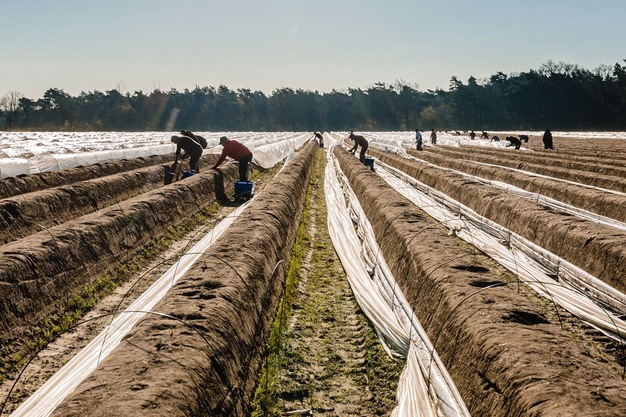
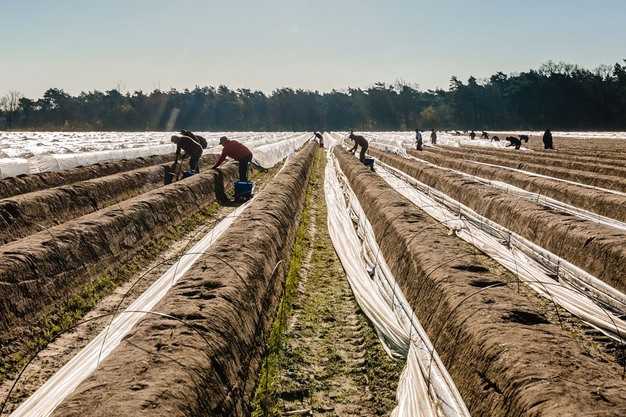
Teboza va fortement diminuer ses activités liées à la culture chauffée d’asperges blanches en plein air. Ce faisant, l’entreprise vise à réduire les émissions de CO2 générées. Teboza est le premier grand producteur et fournisseur d’asperges fraîches à prendre cette mesure. La décision d’accélérer la réduction a été motivée par l’ambition de l’entreprise de continuer à fournir à ses clients de manière responsable et à un coût raisonnable.
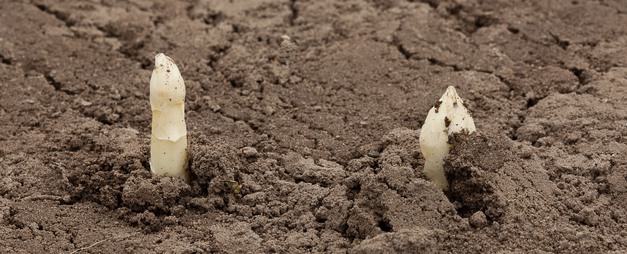
Chauffage au champ La culture chauffée de l’asperge blanche fait appel à un système de tuyaux enterrés juste sous la plante afin de maintenir le sol à température. Ce chauffage au champ permet aux asperges de sortir plus tôt de leur dormance hivernale et au producteur de réduire sa dépendance à l’égard des conditions météorologiques.
Dans de nombreux cas, des combustibles fossiles sont utilisés. Bien que Teboza ait toujours cherché à minimiser son impact sur l’environnement, même avec ses cultures chauffées, une analyse d’impact récemment menée a décidé l’entreprise à abandonner cette méthode de culture plus tôt que prévu. Will Teeuwen : « Accroître la durabilité signifie également oser faire des choix difficiles. Dans le cas présent, nous disons donc adieu à une innovation dont nous avons nous-mêmes été à l’origine. Cependant, nous pensons que cette étape est nécessaire pour renforcer la position particulière de la culture néerlandaise de l’asperge. »
(Presque) dépassée par les innovations « La période pendant laquelle la culture chauffée, relativement coûteuse, devance la culture traditionnelle est plus courte chaque année. Les innovations dans les variétés d’asperges, les nouvelles techniques de culture et les changements climatiques font que les asperges issues de la culture non chauffée sont disponibles de plus en plus tôt. En outre, au début de la saison, l’offre d’asperges savoureuses et cultivées de manière responsable en provenance du sud de l’Europe prend de l’importance. »
La plus grosse myrtille au monde cultivée en Nouvelle-Zélande par FreshPlaza
La plus grosse myrtille au monde cultivée en Nouvelle-Zélande
La plus grande variété de myrtille au monde, connue sous le nom d’Eterna, sera bientôt cultivée et vendue en Nouvelle-Zélande. Les baies, décrites comme atteignant la taille d’une balle de ping-pong, sont plantées dans les régions de Kerikeri et de Waikato.
La Fresh Berry Company, qui cultive et commercialise des baies dans toute la Nouvelle-Zélande, a confirmé un partenariat avec le producteur international de baies Driscoll’s pour introduire cette variété. Le directeur général Simon Tallon a déclaré que l’une des myrtilles Eterna cultivées en Australie détient le record mondial Guinness de la plus grande myrtille, avec un poids de 20,4 grammes.
Il a précisé que tous les plants importés étaient testés par le ministère des industries primaires pour s’assurer qu’ils étaient exempts de parasites et de maladies avant d’être mis à la disposition des producteurs. “Ces plants sont ensuite acheminés vers la culture de tissus et nos pépinières commerciales, où nous les transformons en plantes commerciales pour nos exploitations et les producteurs externes”, a expliqué M. Tallon. “L’objectif principal est toujours d’obtenir de meilleures baies, des baies plus fermes, une meilleure durée de conservation et, en fin de compte, des fruits qui ont un bon goût.
M. Tallon a indiqué qu’un nombre limité de grandes myrtilles devrait arriver dans les rayons des supermarchés à la fin de l’année 2026.
La société prévoit également d’ouvrir sa première exploitation de baies de l’île du Sud à Nelson l’année prochaine. “Toute notre production est couverte par des tunnels en plastique, à l’exception de certaines myrtilles qui sont exportées”, a déclaré M. Tallon.
Il a ajouté que les exploitations de la société et les producteurs de Hawke’s Bay, Waikato et Northland s’attendaient à une bonne saison de fraises jusqu’à Noël. “Nous nous attendons à un volume assez important cette année pour que les consommateurs puissent déguster des fraises, des myrtilles, des framboises et des mûres”, a-t-il déclaré.
Selon M. Tallon, les ventes totales de baies en Nouvelle-Zélande ont atteint environ 72 millions de dollars l’année dernière.
Source : FarmersWeekly Date de publication: mer. 22 oct. 2025
“End-of-season asparagus shortages are due to depleted volumes and early field exhaustion”
It’s not the first time there’s been a shortage of asparagus on the market at the end of the season. “Supply is minimal compared to demand, and for two reasons,” explains Will Teeuwen of Teboza. “First, the volumes we expected to see in weeks 22 and 23 actually arrived earlier, during the two previous weeks, resulting in slightly higher supply then. This was purely due to weather conditions. The second reason is that the late fields were more damaged than expected by last year’s rainfall. We had to pull these fields out of production early to ensure that the plants would yield sufficiently next year.”
“This volume shift and the earlier halt of fields are once again causing a volume shortfall at the end of the season, and this seems to be more of a structural issue than a one-off incident.” Teboza will continue harvesting asparagus until the end of week 26. “Given the working conditions, we’ve had a good season. Completely different from last year, when we were harvesting in muddy boots well into June. From a production standpoint, yields were slightly disappointing—but that’s the case for all growers. Prices have been good and seem to be slightly higher than last year. But we desperately need them to be. All costs, especially labor, have risen significantly. That’s why we need structurally higher prices for our product. Of course, we want asparagus to remain affordable. But we absolutely need good pricing: if we do the math, the return per kilo is lower today than it was five years ago!”
Planting in the Netherlands
Left: cultivation in Spain | Right: Teboza’s sales team
The Spanish asparagus season had a very difficult year. “Just as all the fields were ready for harvest, the rainy season began. We faced the same situation there as in the Netherlands last year, which affected two-thirds of the crop. Additionally, we had to cancel about 10–15% of the harvest due to rain. Normally, we begin planting in March–April, but the last plants were only put in the ground last week. That’s not ideal, because although asparagus loves warmth, Spanish summers can be a bit too much! Still, overall, I’m very optimistic about Spanish production in the years to come. We’ll just have to postpone our yield expectations by a year.”
Planting completed last week
Starting next year, Erwin Tillemans will become a second director in Spain. Teboza has taken over Tillemans’ neighboring company, Tilla’s BV—including 45 hectares of asparagus, a packing shed, and seasonal worker accommodations. “Erwin has been supplying us with asparagus for years. He has also visited us in Spain multiple times, and we discussed his wish to become our farm manager. Our Spanish fields are now 80 kilometers apart, which hasn’t been easy for our current manager. He will start working for us in Spain next season and will bring his own tractors with him, so he can operate using his own equipment. Overall, this is a very positive step, showing that we see many opportunities in the asparagus sector in the years ahead.”
To provide the best experiences, we use technologies such as cookies to store and/or access device information. Consenting to these technologies will allow us to process data such as browsing behavior or unique IDs on this site. Failure to consent or withdrawing consent may adversely affect certain features and functions.
Functional
Always active
Technical access or storage is strictly necessary for the legitimate interest purpose of enabling the use of a specific service explicitly requested by the subscriber or user, or for the sole purpose of carrying out the transmission of a communication over an electronic communications network.
Preferences
Technical access or storage is necessary for the legitimate interest purpose of storing preferences that are not requested by the subscriber or Internet user.
Statistics
Technical storage or access that is used exclusively for statistical purposes.Technical storage or access that is used exclusively for anonymous statistical purposes. Absent a subpoena, voluntary compliance from your internet service provider, or additional records from a third party, information stored or retrieved for this sole purpose generally cannot be used to identify you.
Marketing
Technical access or storage is necessary to create user profiles in order to send advertisements, or to track the user on a website or across websites with similar marketing purposes.

 For more information: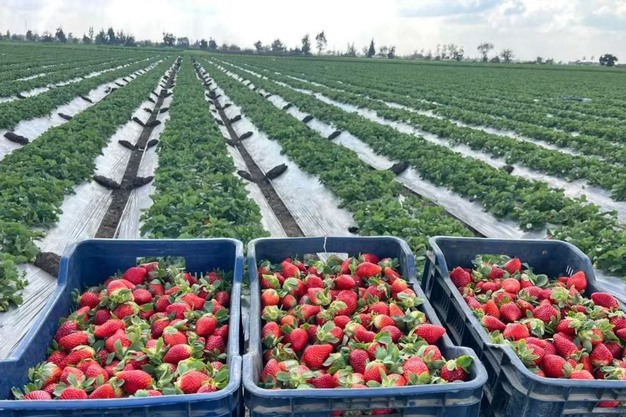
 Jose Castilla de los Santos, Debra van den Oever et Michael Aagaard de Berries Pride
 Ventura et Sekoya Pop
 Par ailleurs, la saison des myrtilles chiliennes arrive à grands pas. « La saison commence une semaine plus tôt et les volumes les plus importants en provenance du Chili arriveront entre les semaines 4 et 7. Nous ne nous approvisionnons plus nous-mêmes au Chili, car nous avons réussi à faire le lien entre le Pérou et le Maroc il y a quatre ans. Cette solution nous convient parfaitement en raison de la qualité et de la logistique constantes du Pérou. Compte tenu de la baisse de l’offre en provenance du Pérou, nous nous attendons à une bonne transition. Du Chili, nous prévoyons une saison similaire à celle de l’année dernière, bien que cela dépende également de la demande du marché américain. » Aux Pays-Bas, il est difficile de jouer un rôle dans l’exportation des myrtilles d’Amérique latine vers le marché chinois. « De nombreux producteurs y ont eux-mêmes des bureaux. Et avec le nouveau port de Chancay, le temps de transit Pérou-Chine a diminué de manière significative. Auparavant, cela pouvait prendre jusqu’à 40 jours avec des retards, alors qu’aujourd’hui, ce délai a été ramené à un peu plus de trois semaines. Je pense que l’unicité du marché chinois réside dans le fait qu’ils sont les plus honnêtes et les plus transparents sur ce qu’ils pensent de la valeur des baies. Ils n’apprécient pas les fruits acides et si vous leur en fournissez, vous êtes fini !. »
 Pour plus d’informations :

 Pour plus d’informations :